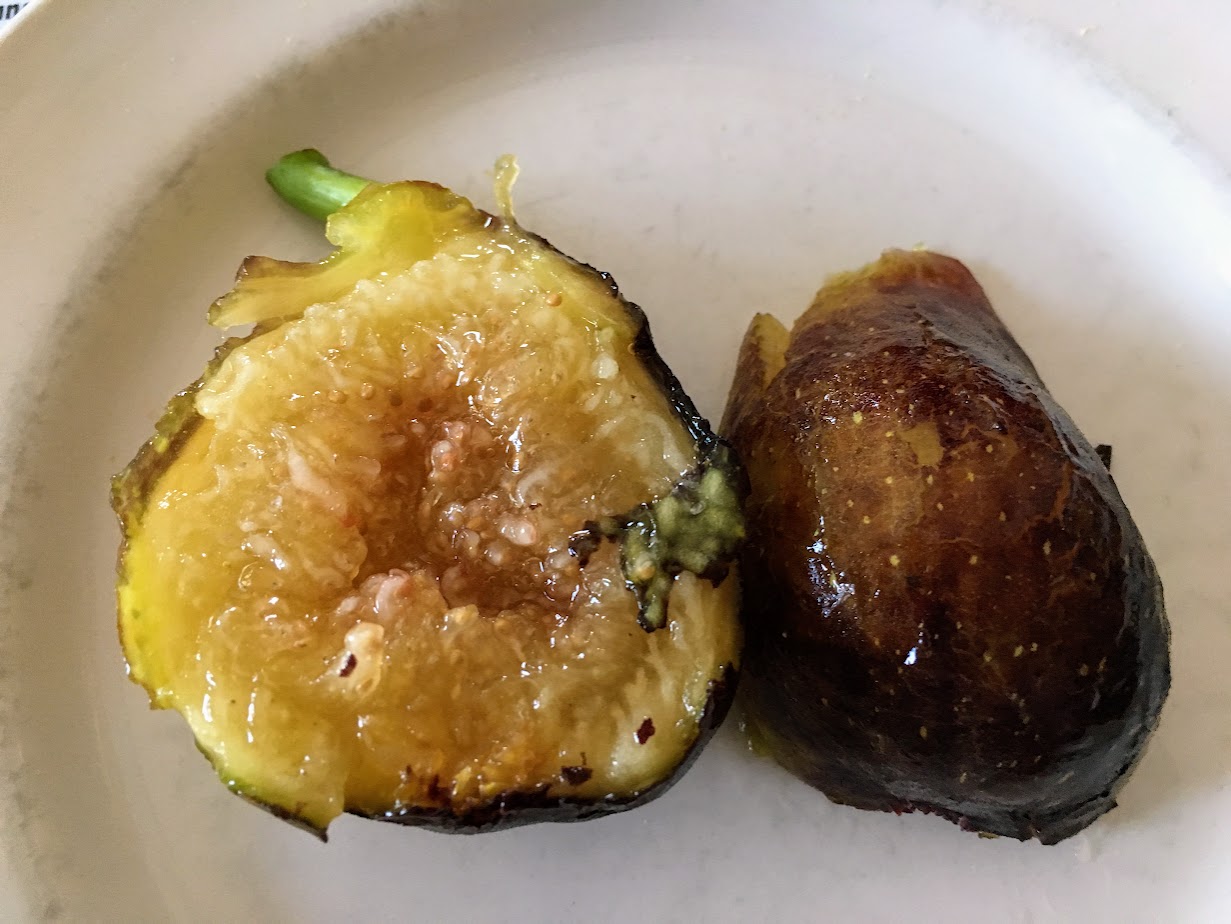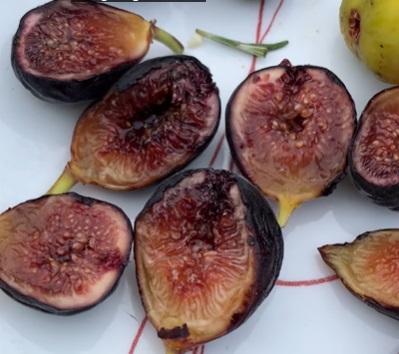
Aaron's Unk
BlackberryCommon
Found by Aaron Baltay in Los Angeles. Purple-black interior with blueberry and blackberry notes. Productive and ripens midseason.
Found by Aaron Baltay in Los Angeles. Purple-black interior with blueberry and blackberry notes. Productive and ripens midseason.
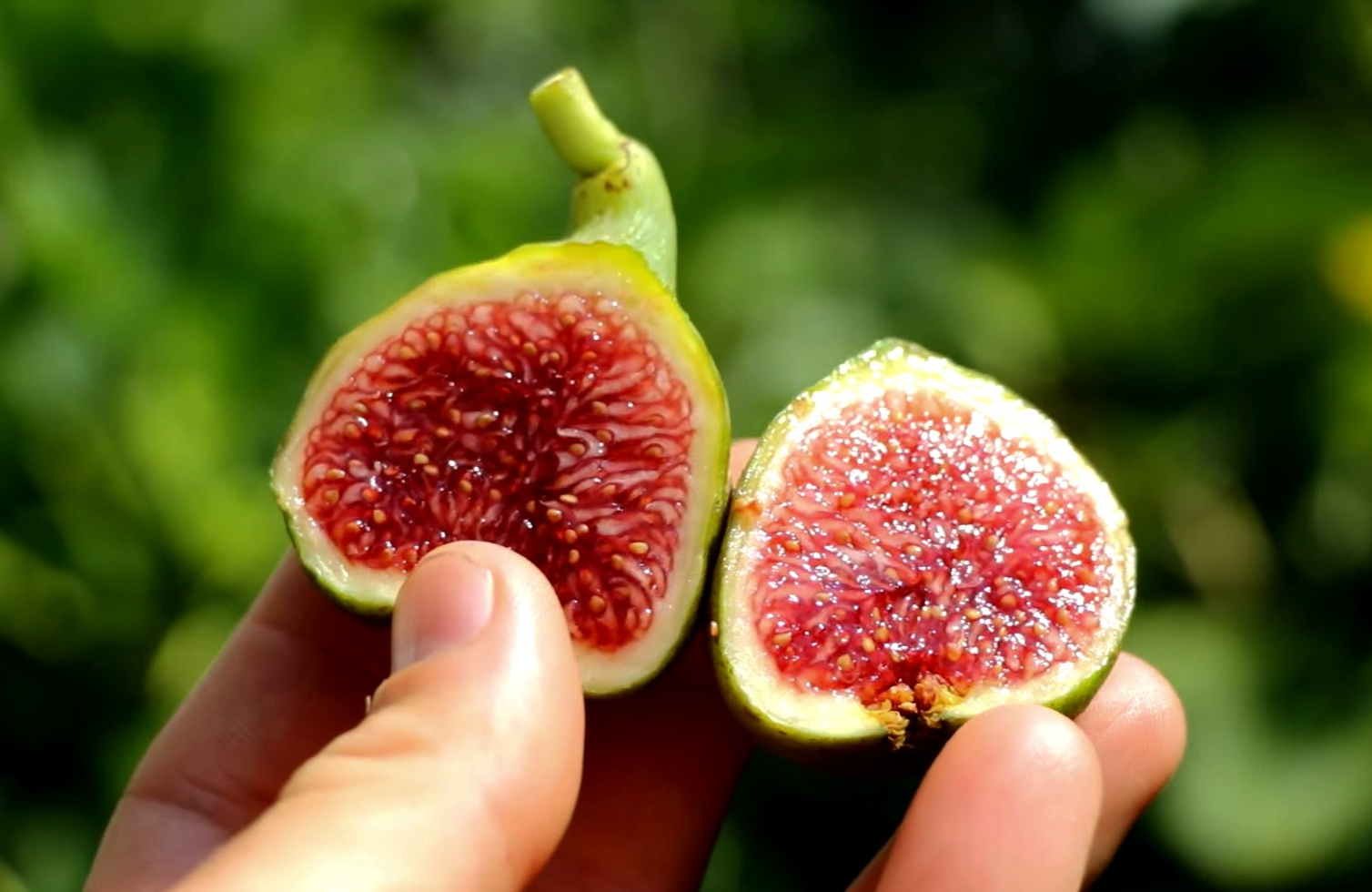
Called Verdino in Italy. At one time, every home in Tuscany had one. Green when ripe with a deep red strawberry interior. Checks all boxes. Very high quality and a must-have.
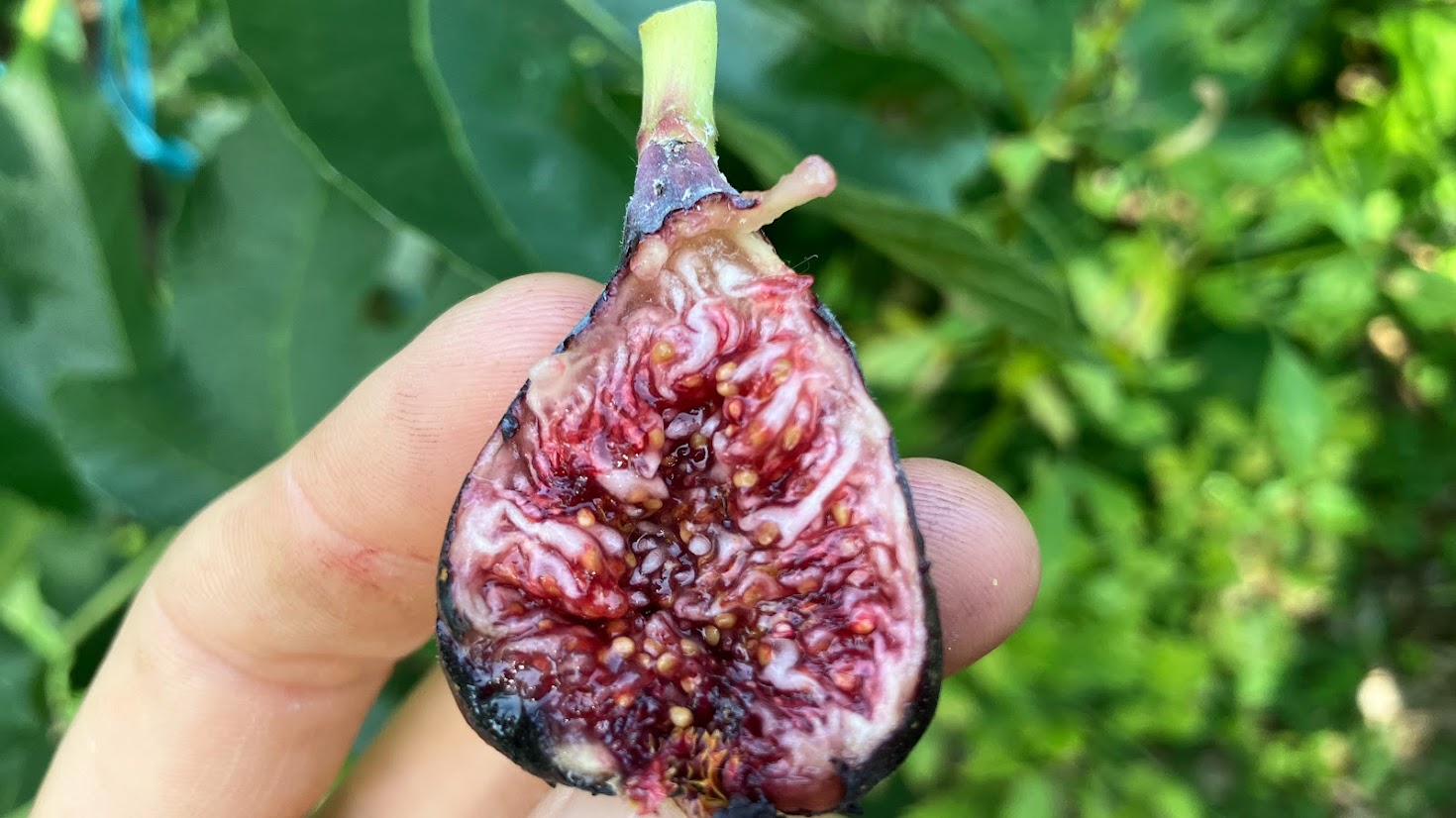
A French variety introduced by Figues du Monde. An improvement of Bourjassotte Noire. Premium eating experience.
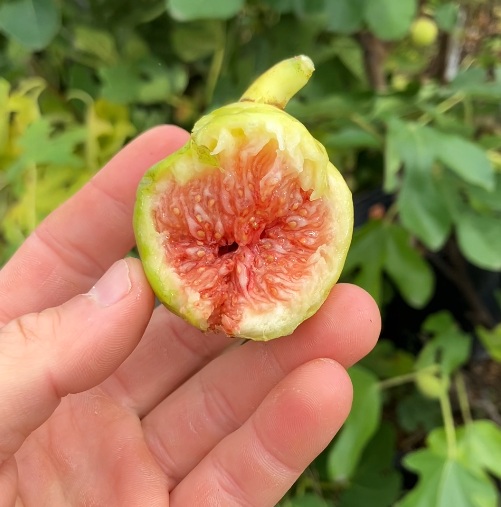
Hardy and vigorous grower producing medium-sized, jelly-filled figs. Recommended for in-ground planting over container culture.

A mutation of White Marseilles changing the skin color dark. The eating experience also improved. Hardy and reliable breba producer.
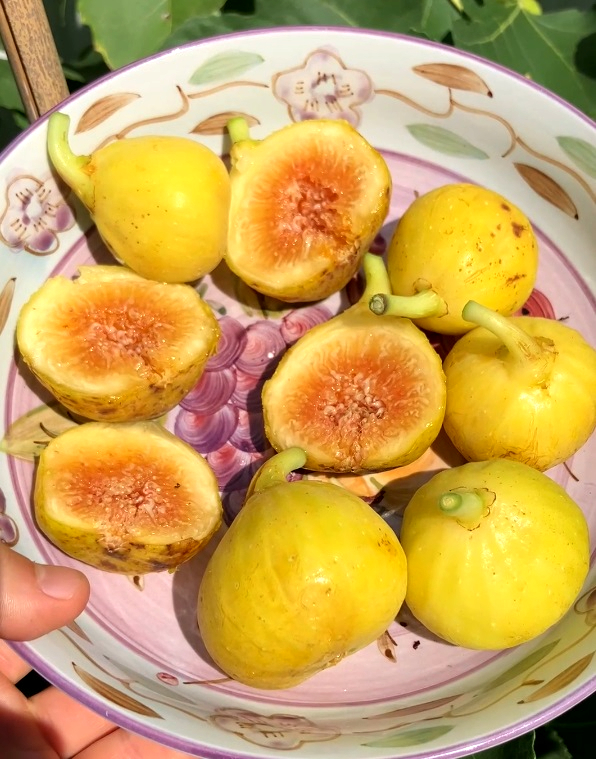
Exceptionally early unknown Italian variety. Heavy producer of unique honey-flavored figs.
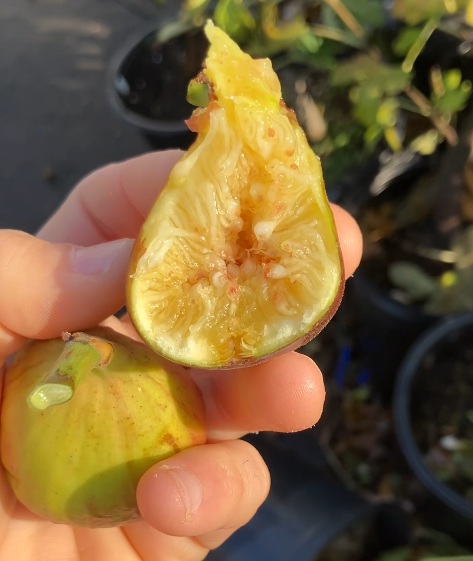
California seedling. Amber pulp with a unique creamy texture and rich flavor.

A mutation of Celeste with darker skin, pulp, and a stronger berry flavor. It maintains exceptional rain resistance and a tight eye, making it a top choice for humid climates.
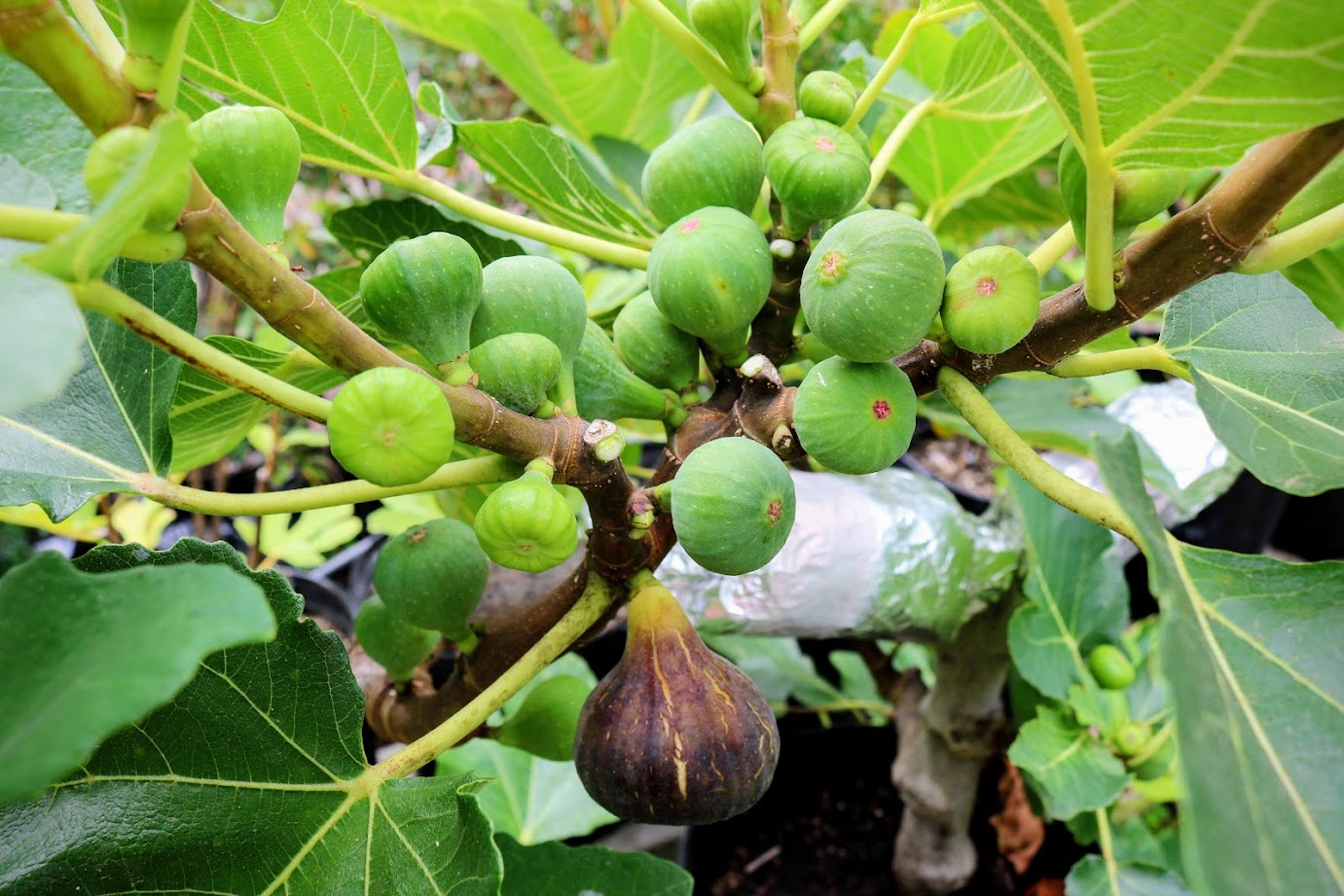
Widely considered the best tasting fig in the world. It features a jammy, deep red interior with a complex, intense berry flavor.
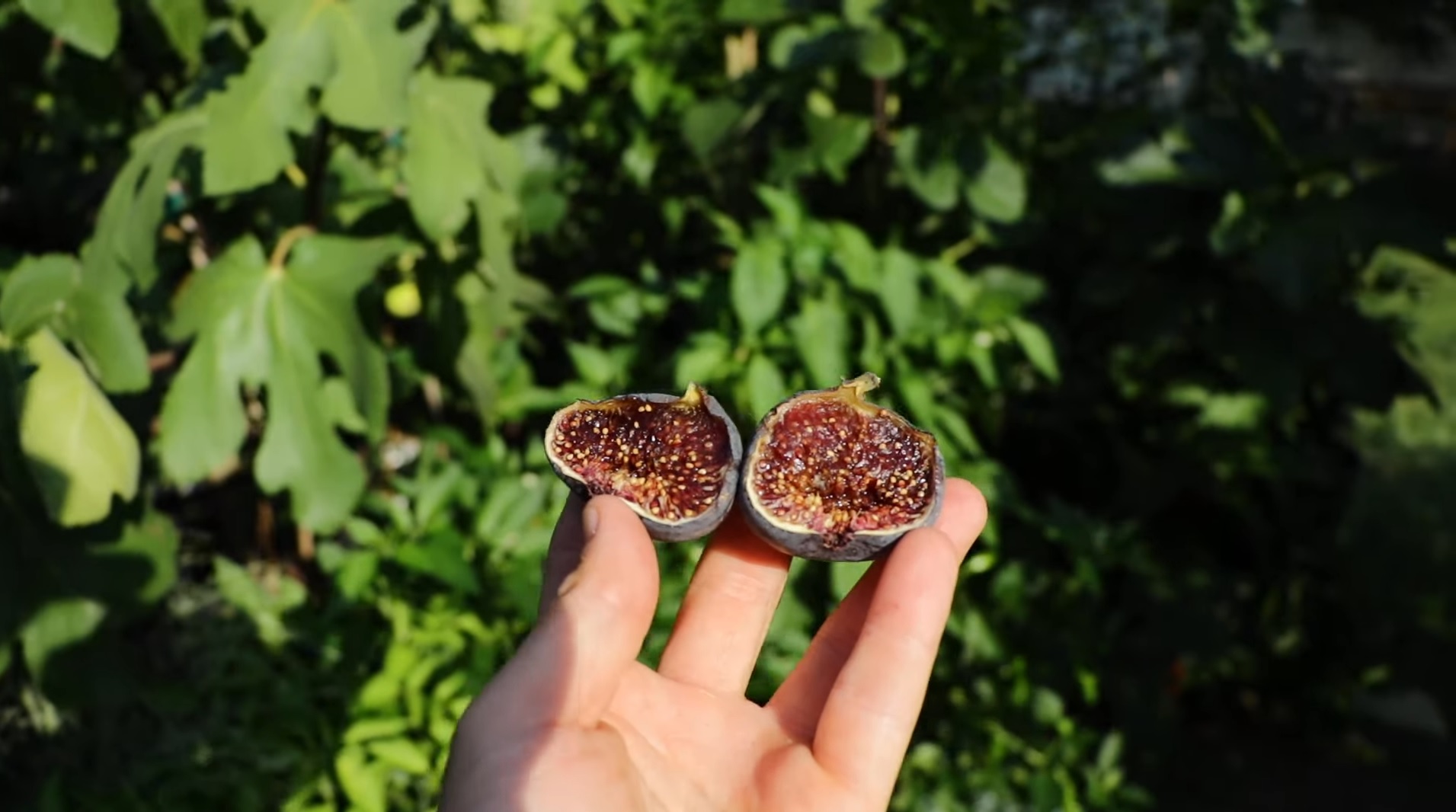
California seedling with a longer hang time, long shelf life, great flavor, and drying capabilities.
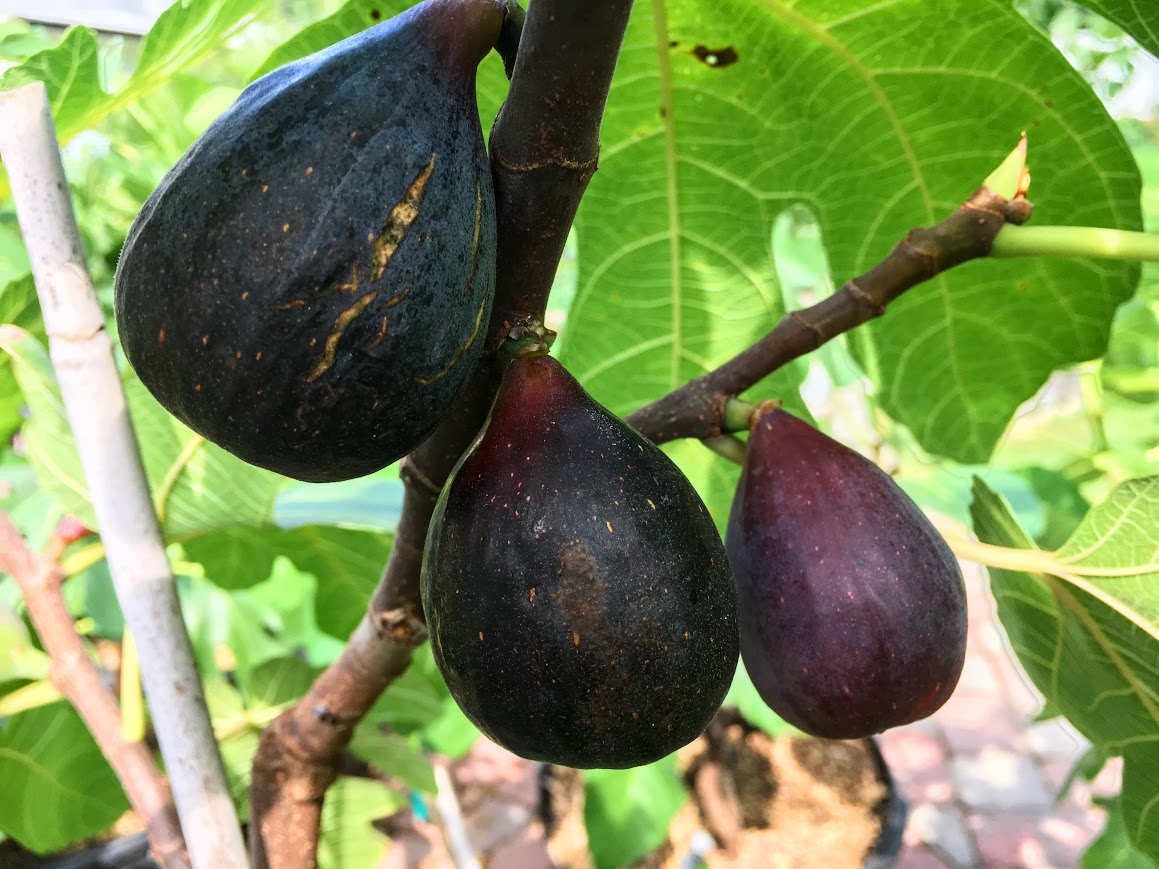
Introduced to the US by spanish missionaries. Historic commercial standard. Reliable breba crop. Best for dry climates.
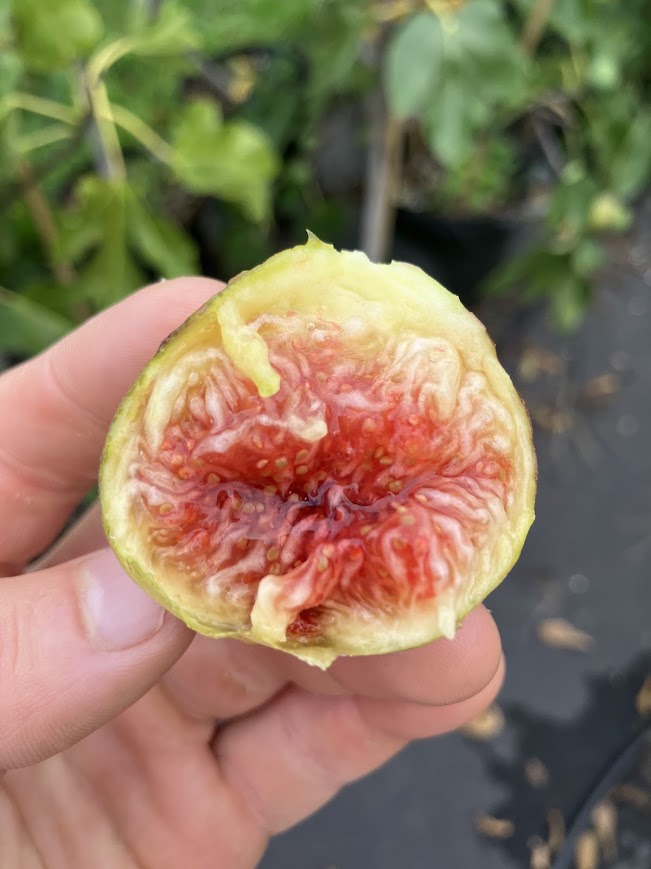
Unknown Italian origin. Does not crack, closed eye. Promising for humid areas. High quality.
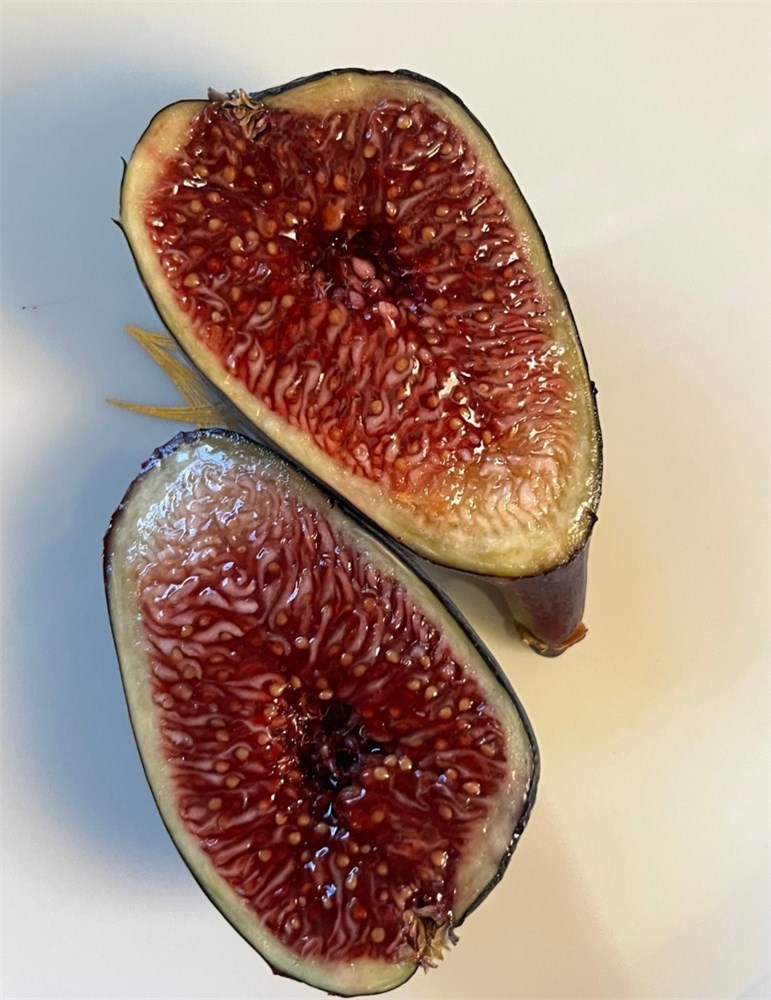
California seedling. Unknown pollination requirements. Closed eye, resists spoilage, deep berry/grape notes, dries perfectly on the tree.
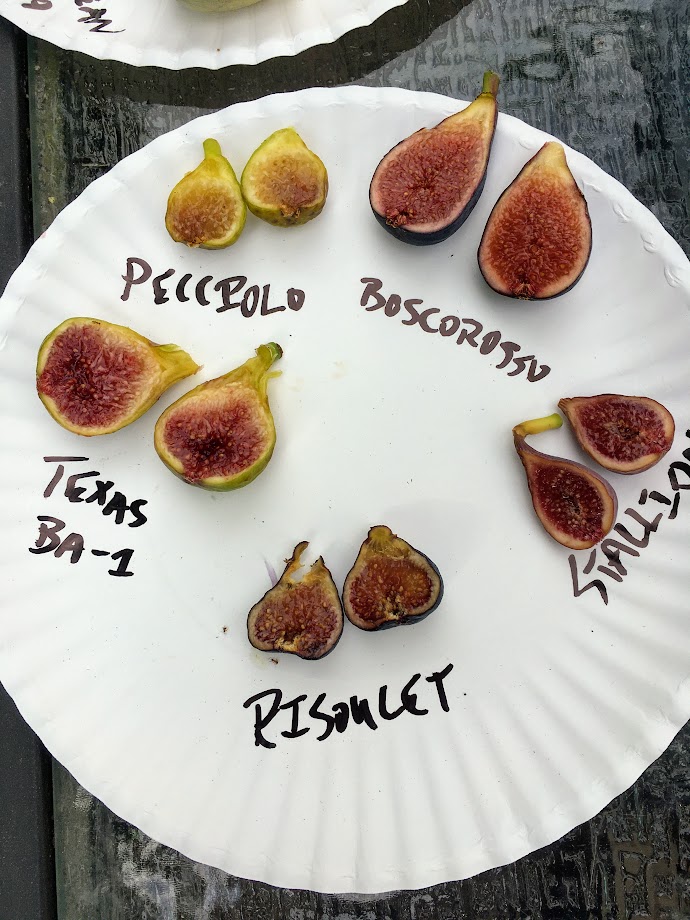
Unknown Italian variety from the collector Nikky. Grey/dark Italian fig. Distinct acidic cherry profile. Promising rain resistance.

USDA imported, genetically tested, and synonymous with Violette Sepor and Socorro Black. Top-tier flavor, long shelf life, productive, midseason, and rain-resistant.
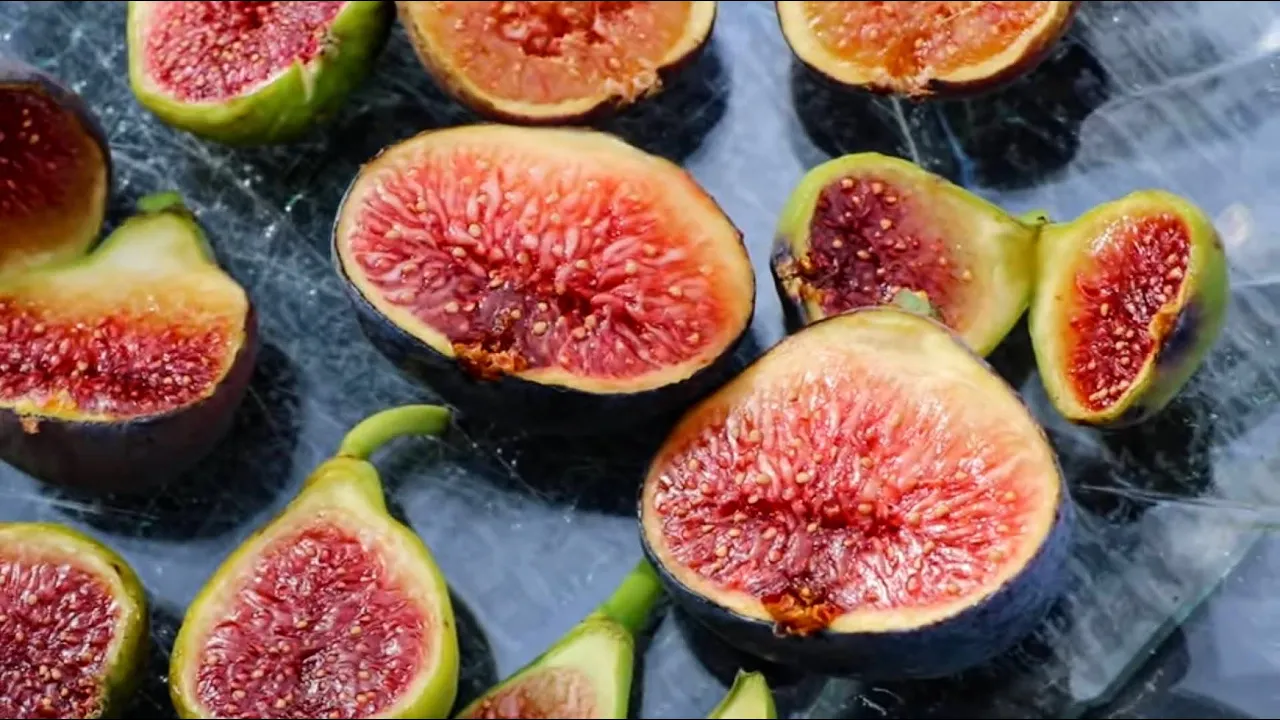
The primary commercial fig of France. Known for its large size, dark blue skin, and intense, jammy red interior. High quality with a long shelf life.
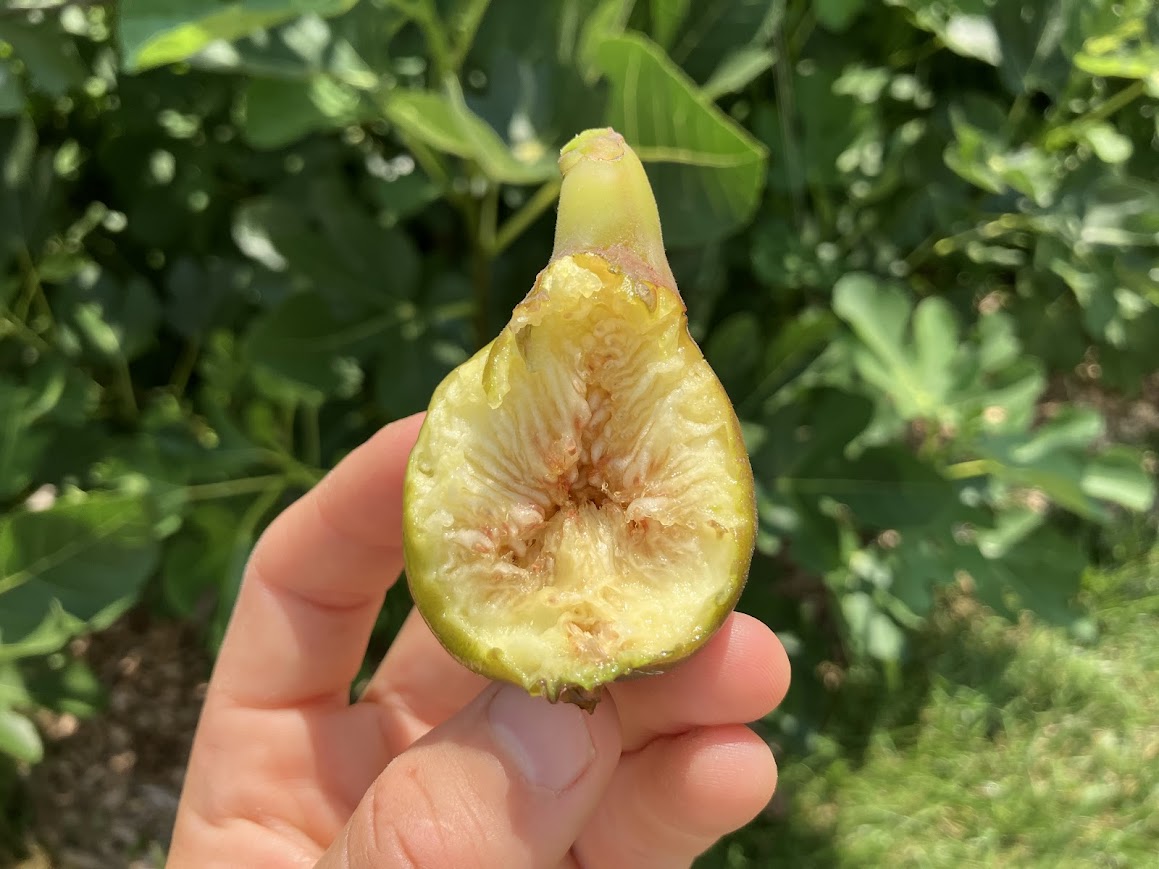
Old Italian heirloom variety. Creamy texture, caramel flavor, unique, and exceptional breba producer. One of the earliest main crop varieties.
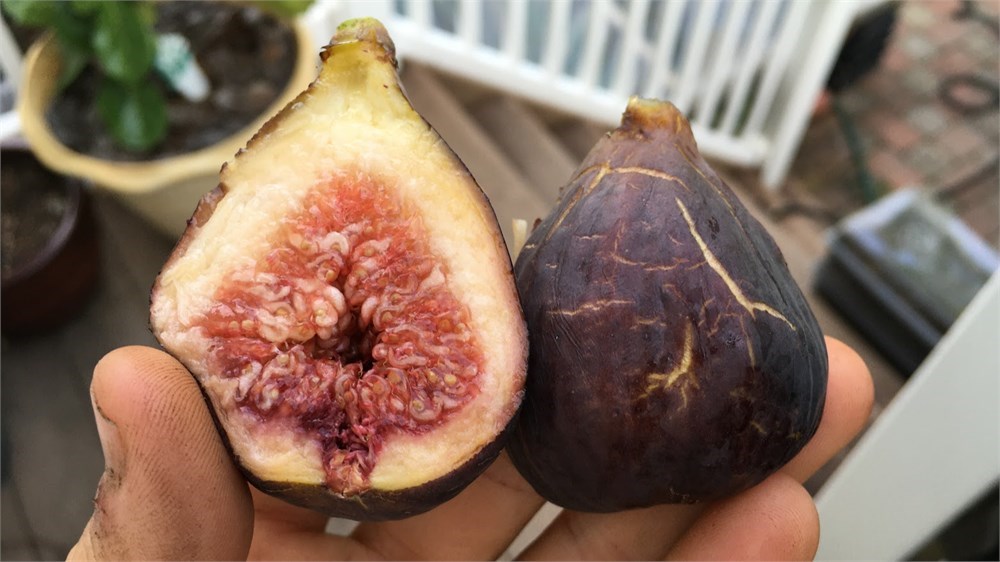
Figues du Monde introduction. Black Madeira-like eating experience. Best for dry climates as it struggles with moisture.
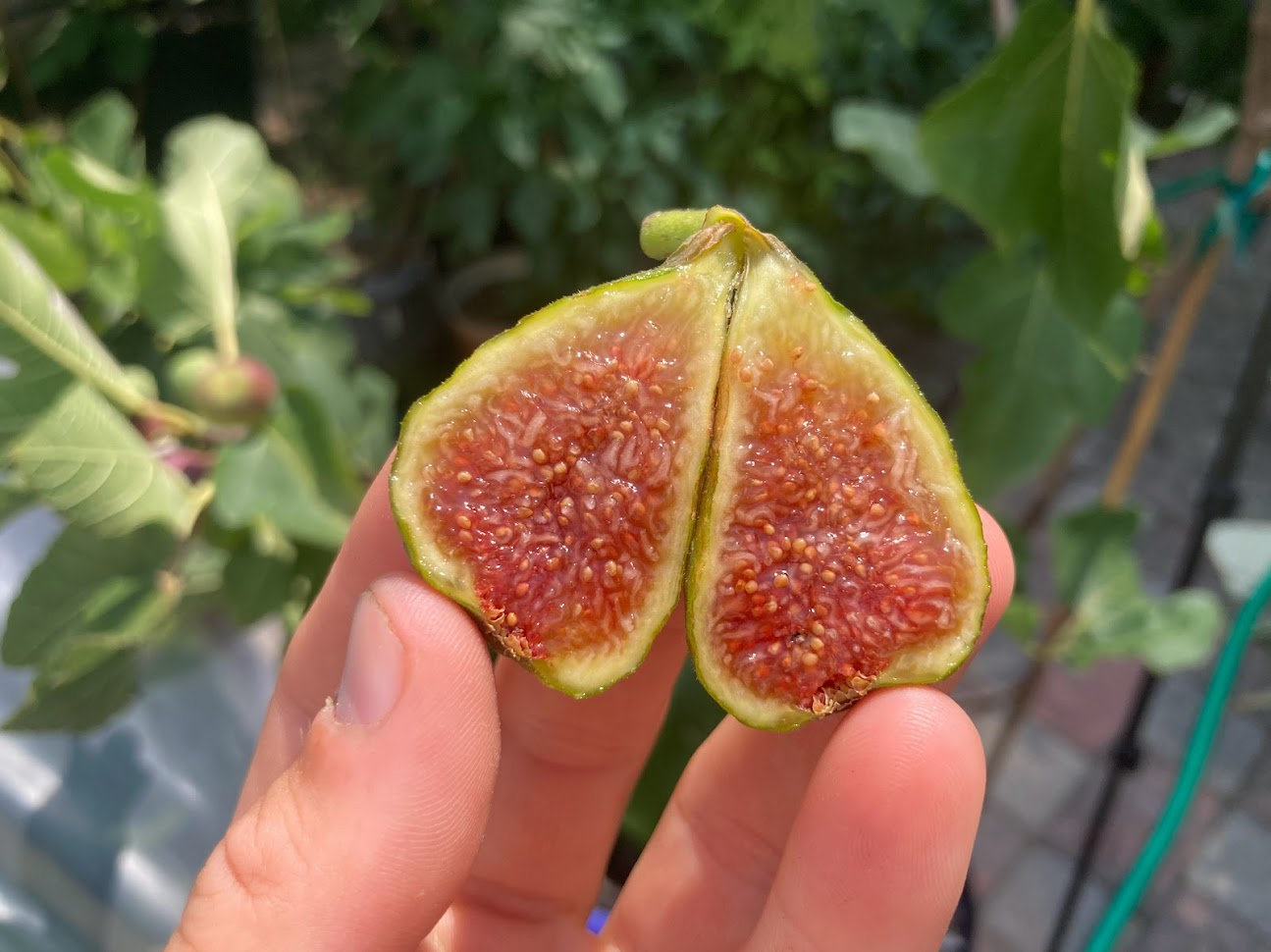
A reliable and very cold-hardy heirloom variety from New York. Excellent for short seasons.
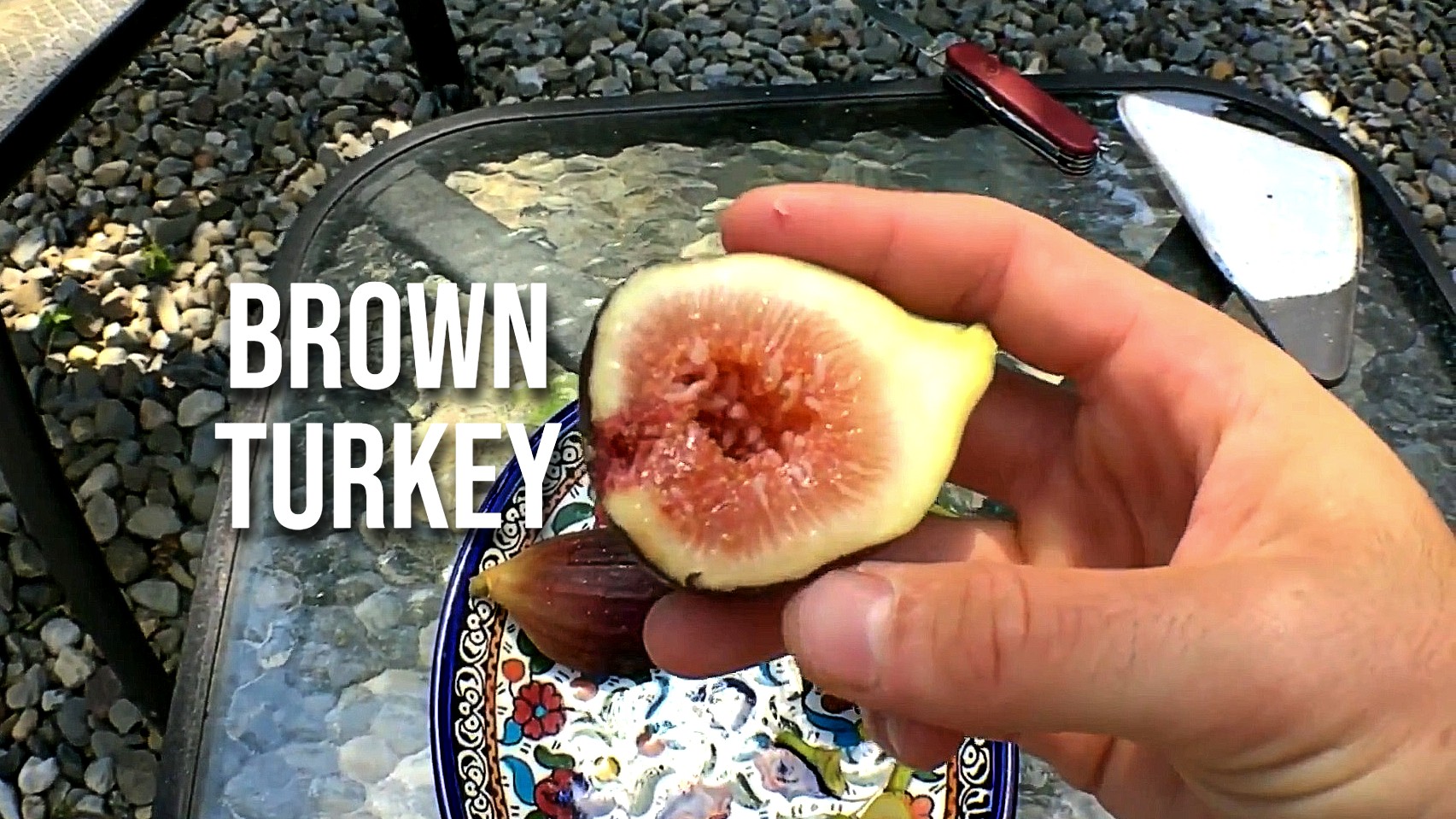
Also known as Black Jack and Texas Blue Giant. A commercial variety for its large size. For home gardeners, 100s of better choices exist.
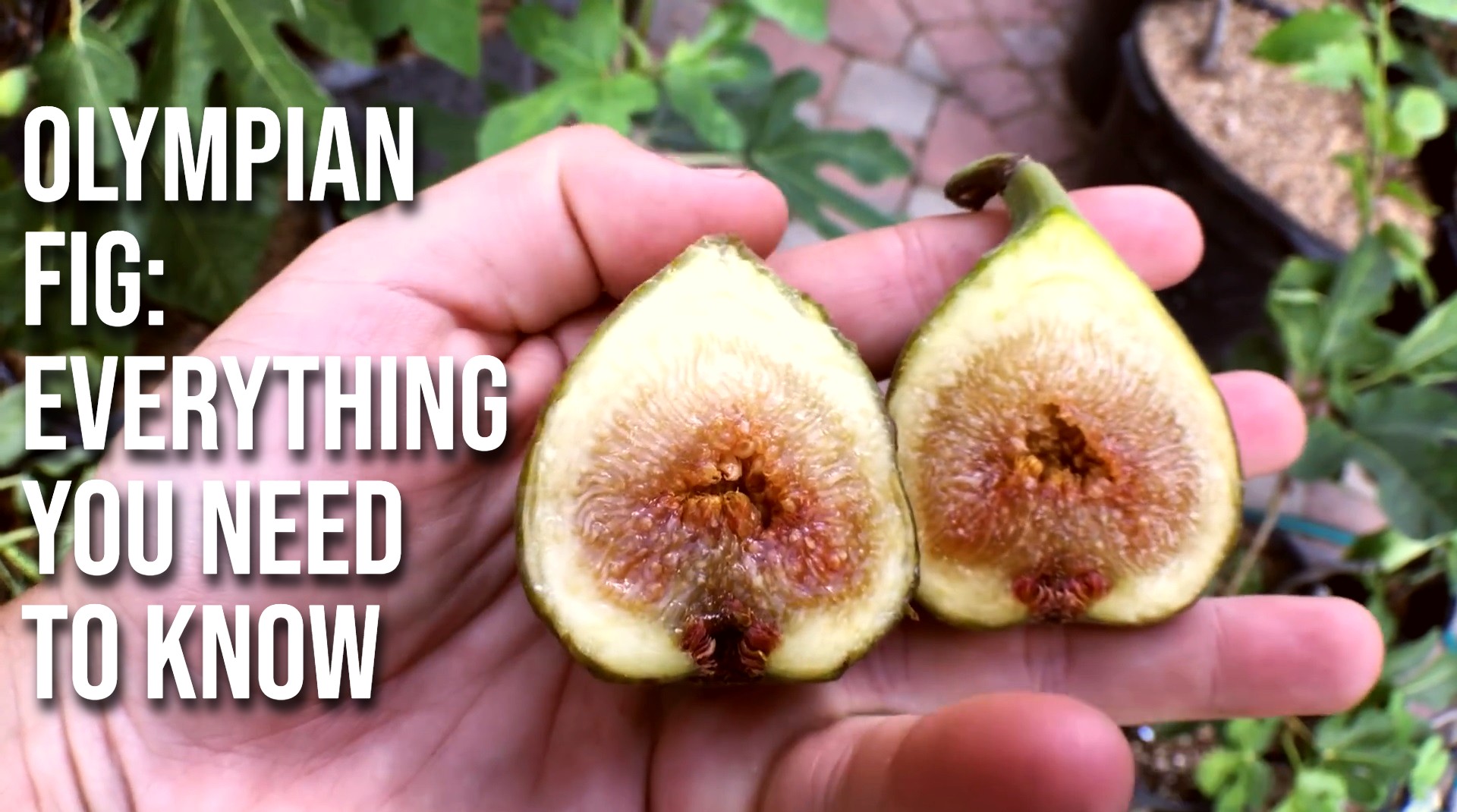
Also known as Olympian. Commonly found in mild or cold areas of Europe for its above average hardiness and consistent breba production. Although, better choices exist. Inferior in just about every way.
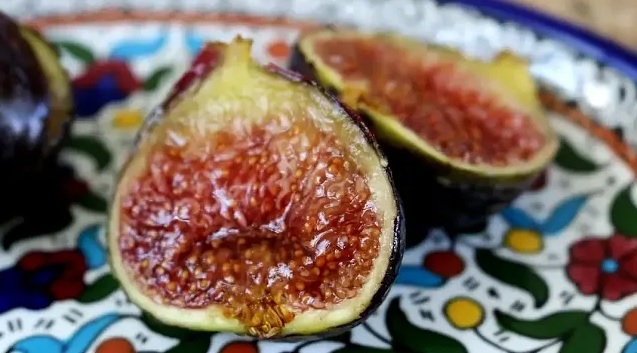
California seedling introduced by Brian Melton. Vigorous and productive caramel-flavored fig. Flavor improves significantly with pollination.
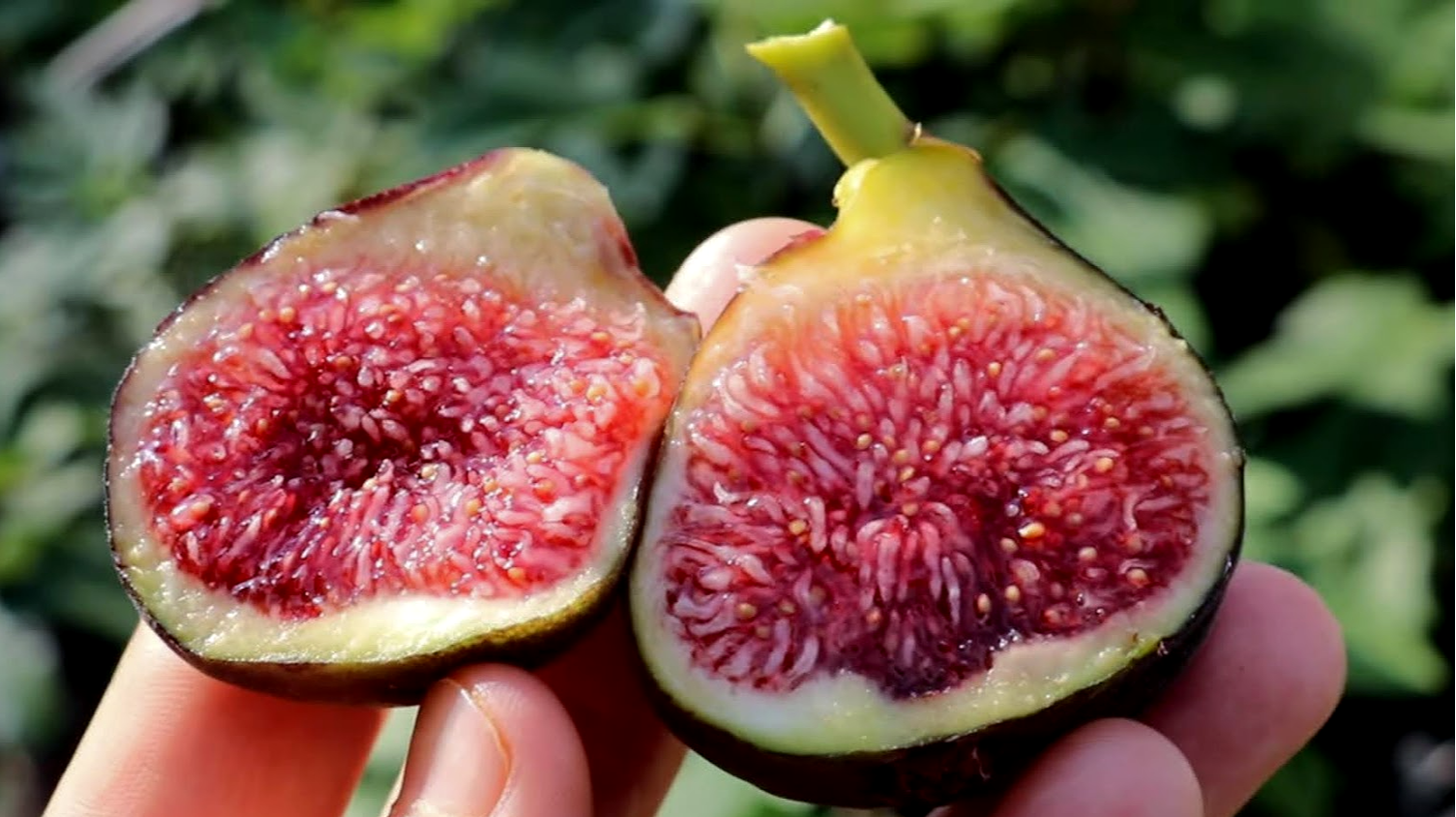
Spanish variety from Monserrat Pons' collection. Black Madeira-esque eating experience, but its shape helps resist rain damage and splitting.
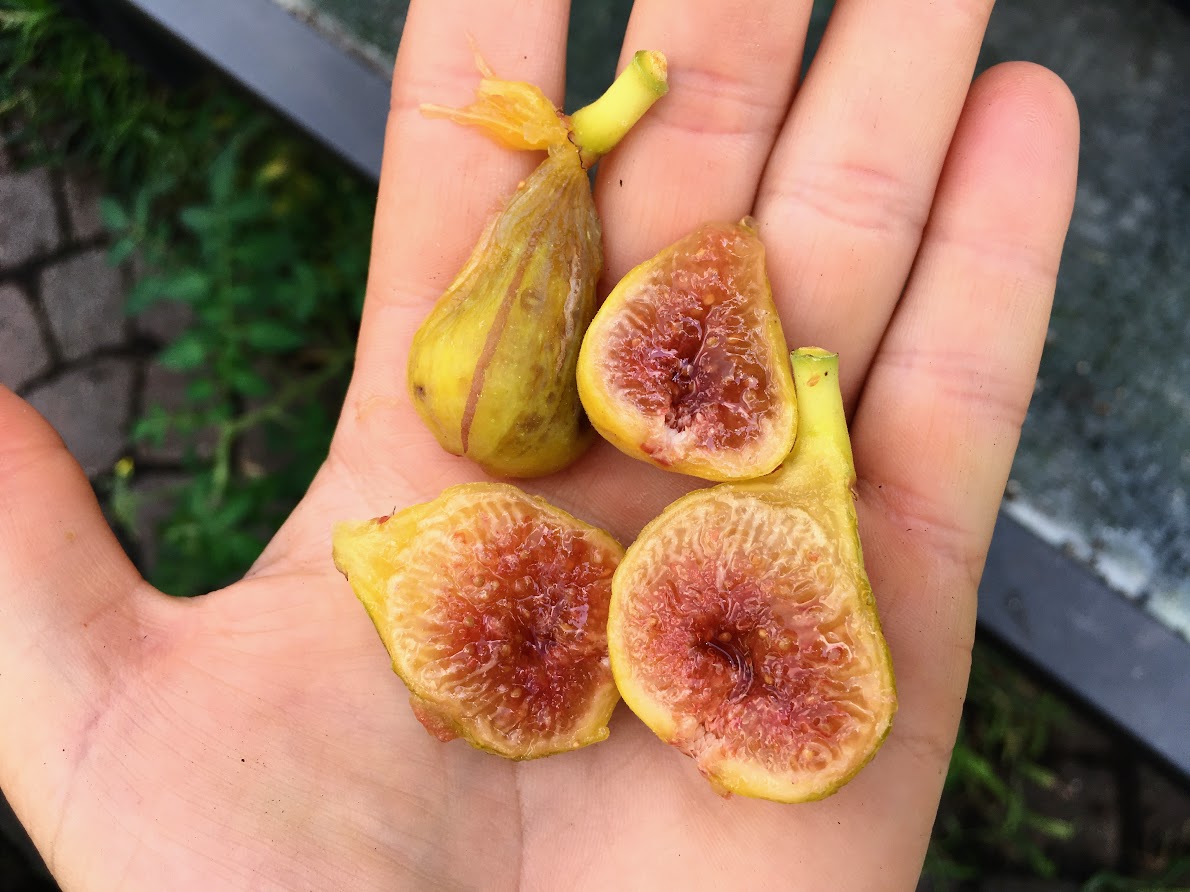
Figues du Monde introduction from outside of Paris. Dries nearly every time into an exceptional eating experience. Hardy and early.
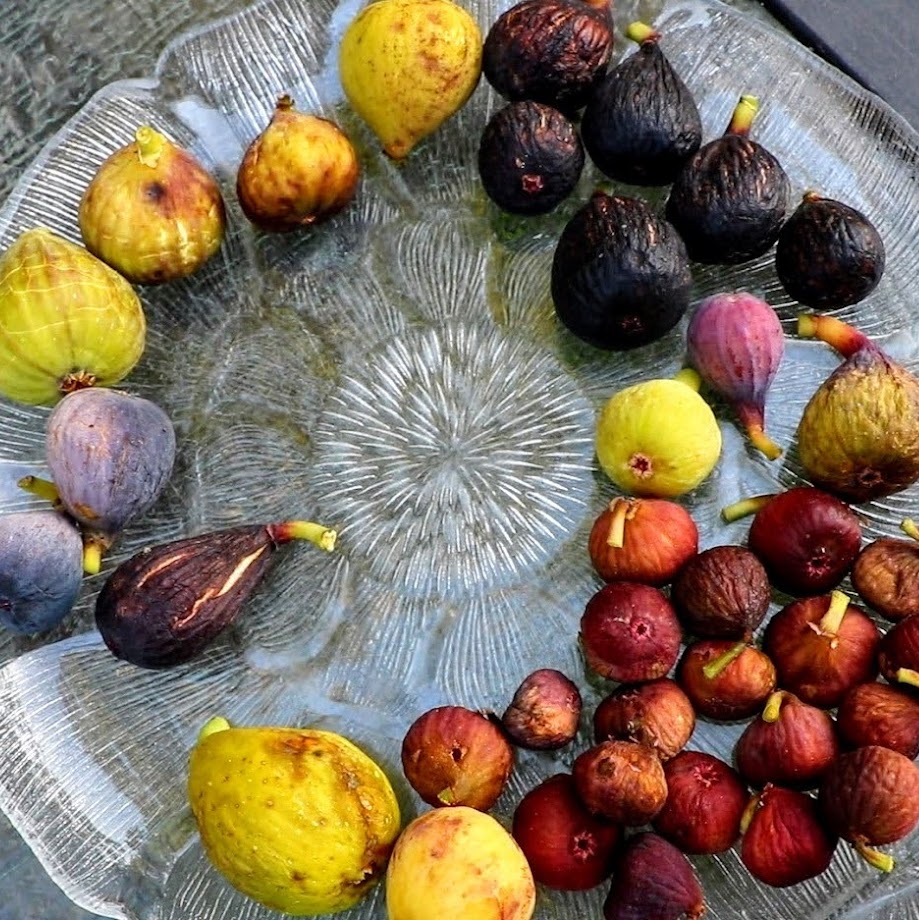
From Dr. Rivals collection in France. Dark-skinned with red interior similar to Black Mission. Common and produces breba.
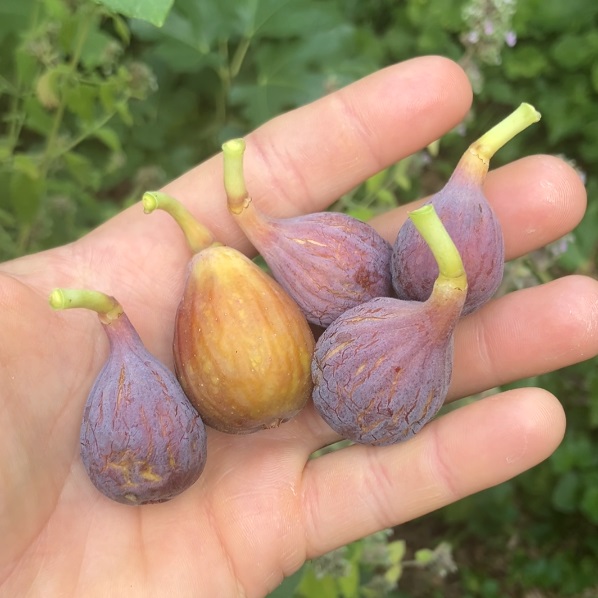
Popular on the East Coast. Gold standard for humidity. Skin sheds water perfectly. Resists spoiling.
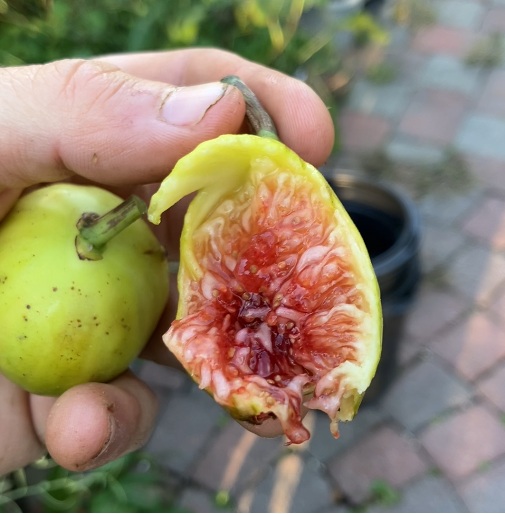
Green skin, red pulp. Open eye makes it unsuitable for humid climates.
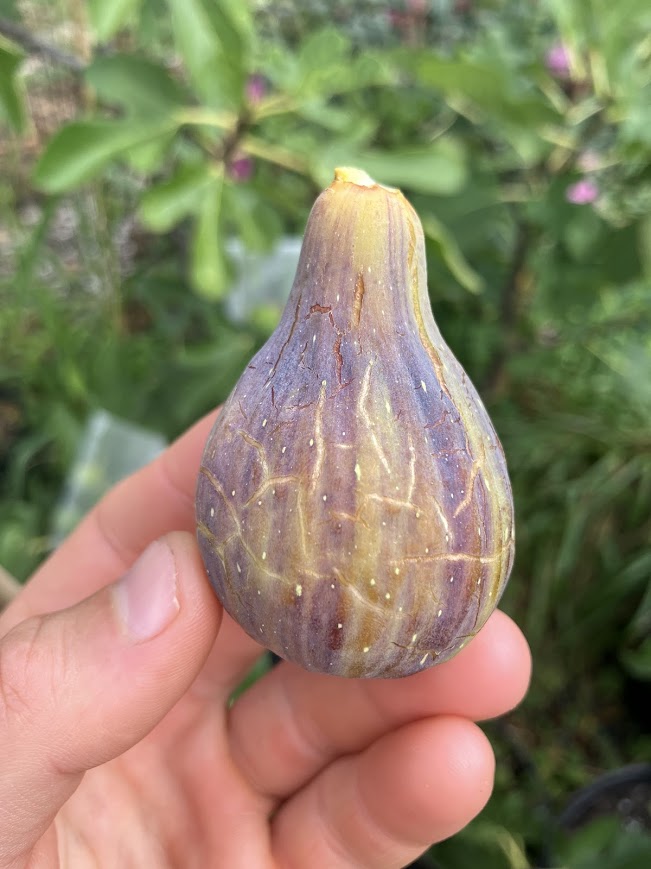
The "Queen of Figs." Exquisite pancake-batter texture. Elite quality. Late to ripen.
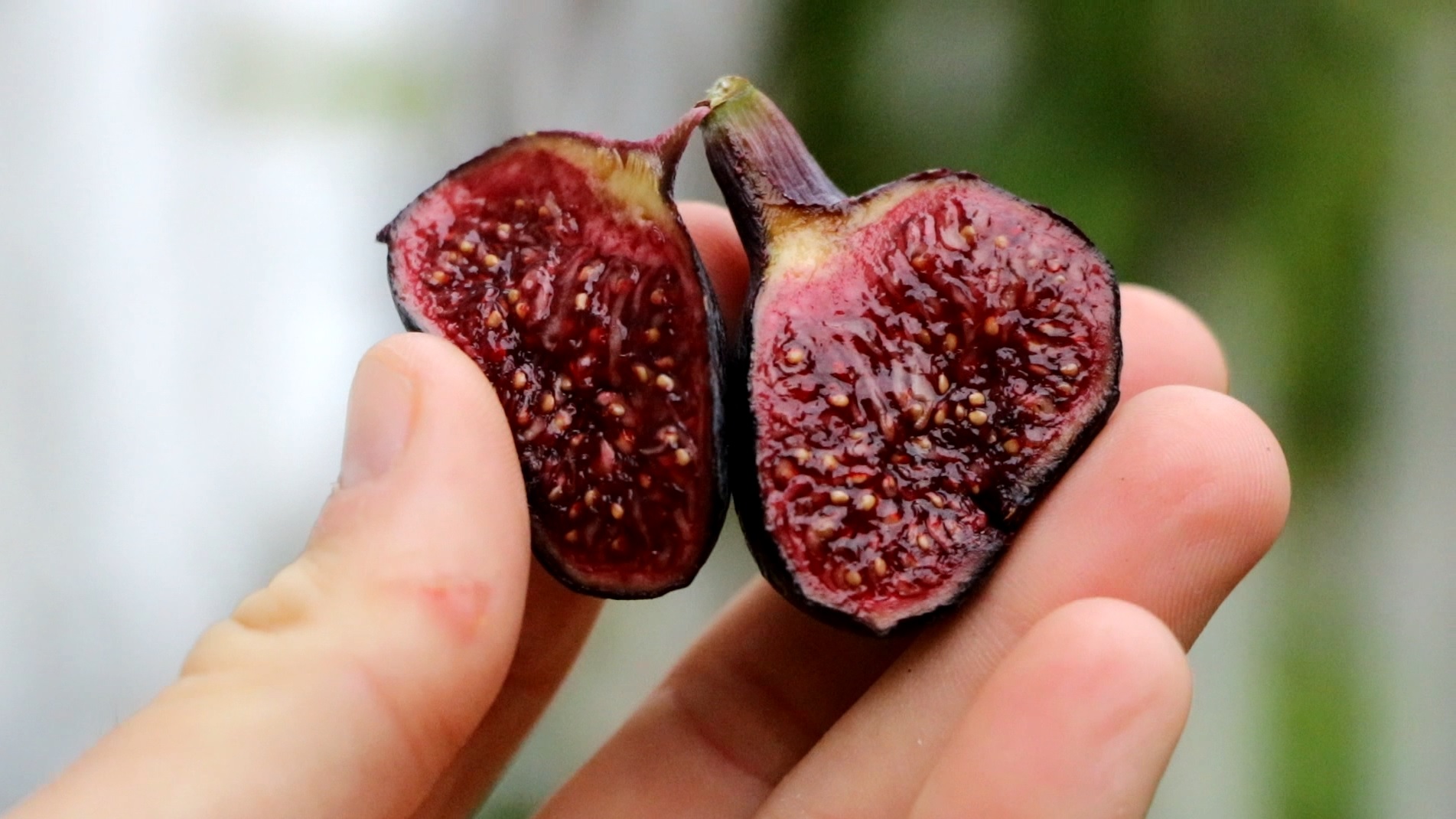
Improved Black Madeira for humid climates. Pyriform shape. Ripens mid-late season.
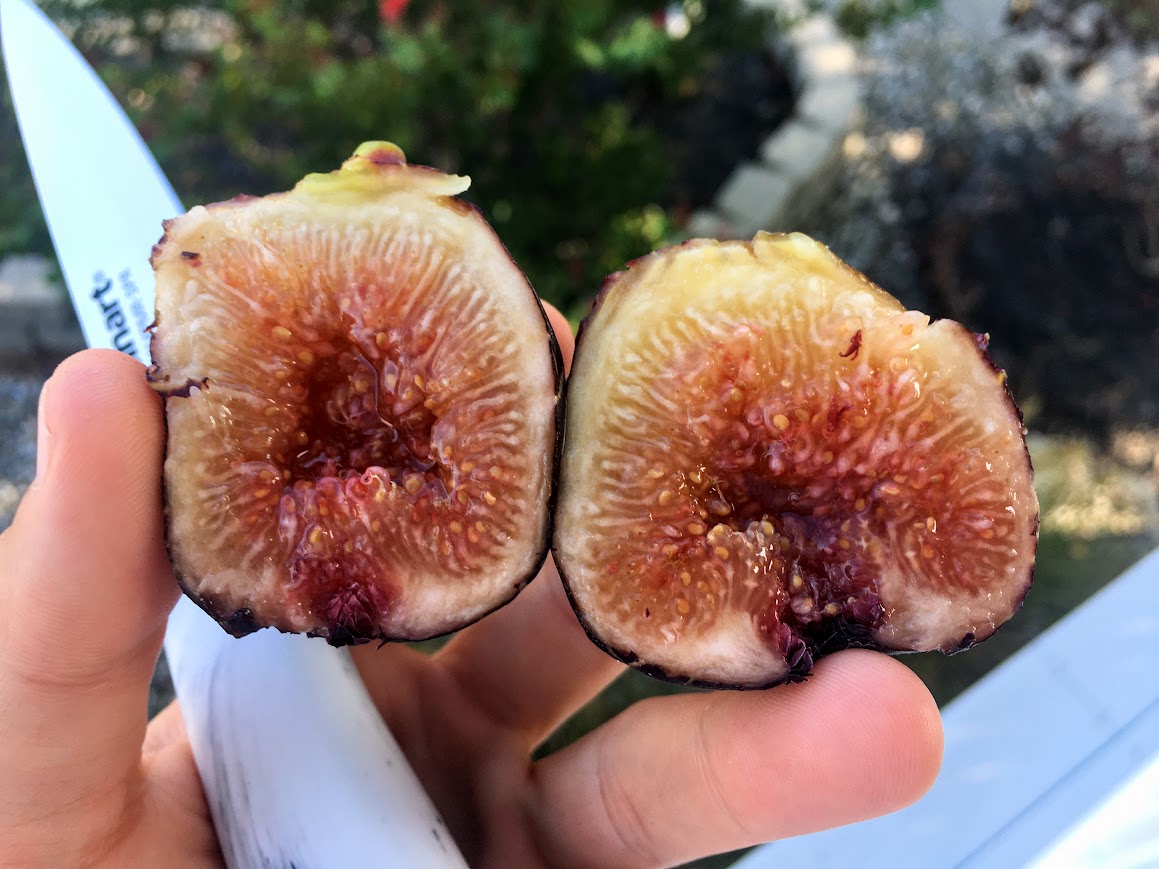
An old Italian heirloom fig with many names. Hardy, honey-filled sugar berry fig. Prolific breba producer.

Popular in the Southwest of France. Closely related to Celeste with darker blue skin and darker red pulp.
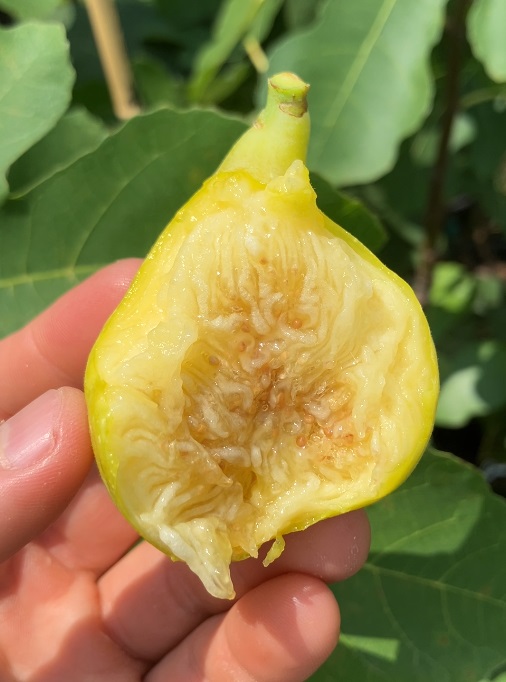
Large commercial variety. Honey figs with a creamy texture. Better in dry climates.
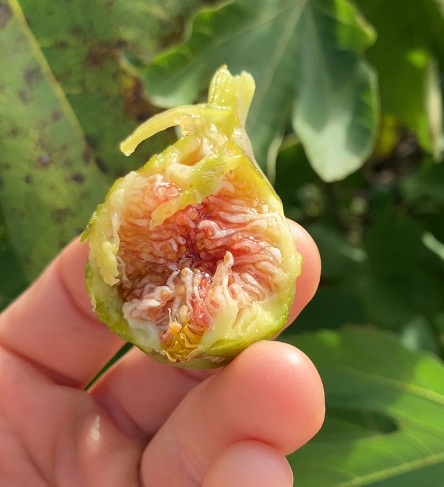
Introduced by Justin Patten. A French variety with high sugar content even in cooler weather. Short hang time.
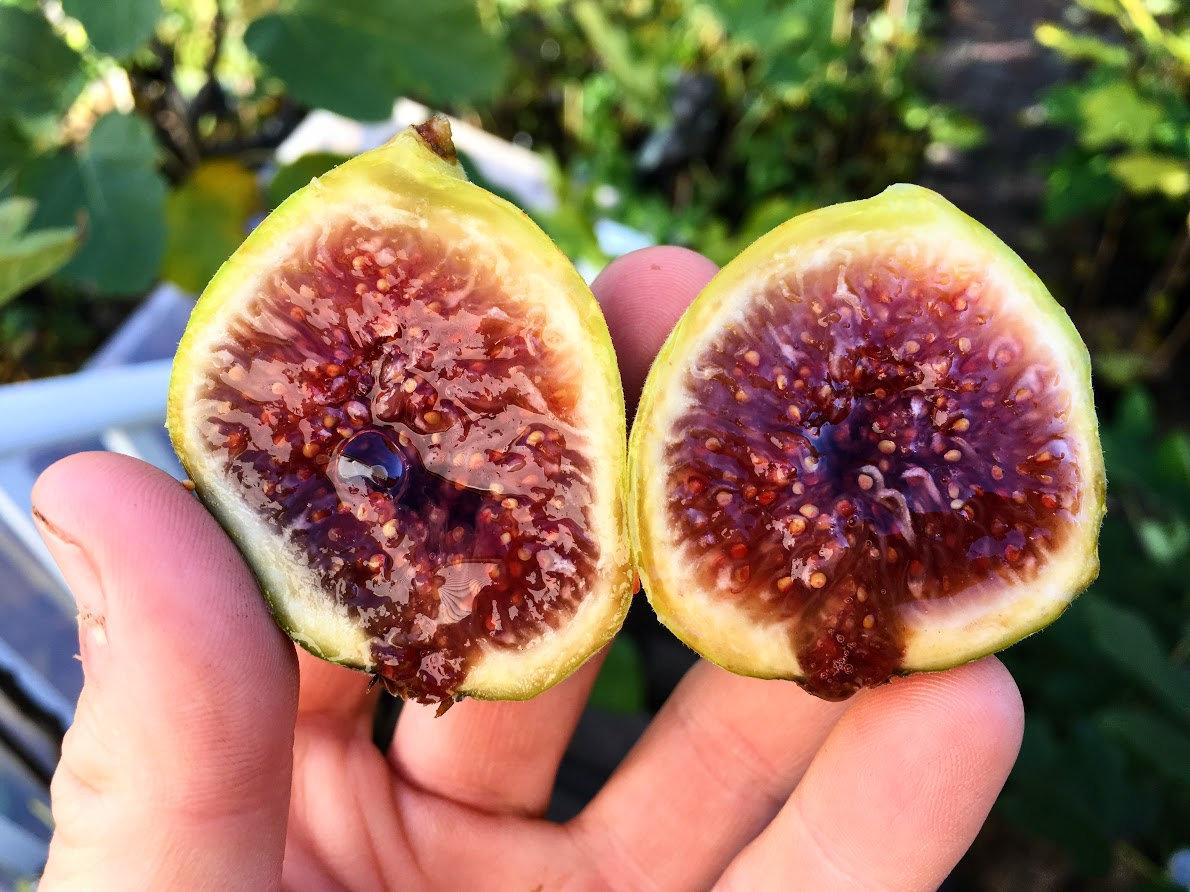
Unique pulp filled with lots of syrup. Recommended for drier locations.
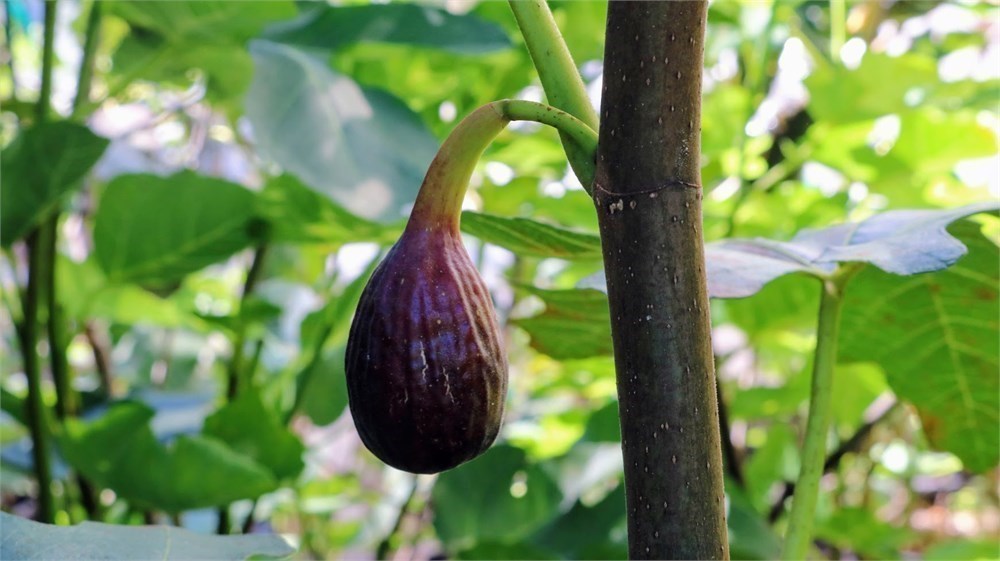
Described in Gallesio's manuscript. Thought to be lost. Layered flavors with a reddish-brown pulp. Elongated shape protects its eye.

Large green fruit, red interior. Thick texture, sweet and strong flavor.

A Spanish variety introduced by Montserrat Pons. It produces medium-sized figs with an intense berry flavor with caramel sweetness similar to Hivernenca. It is noted for its high resistance to rain and spoilage.

Another variety mentioned in Pons' book. Good balance of acidity and sweetness. Berry flavor. Rain and split-resistant. Great performer in the fall, which is especially important for late varieties.
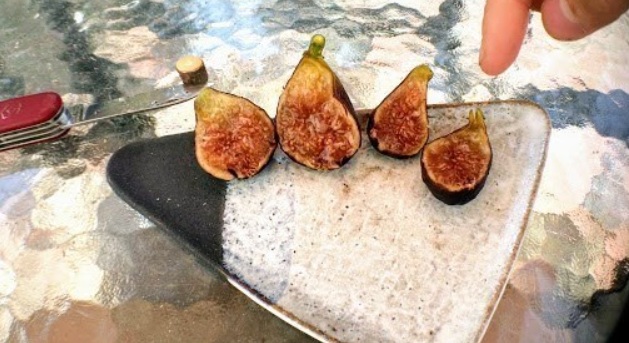
Abundant Sugar Berry figs. Ripens early brebas and early main crop to fill gaps in your harvest window.
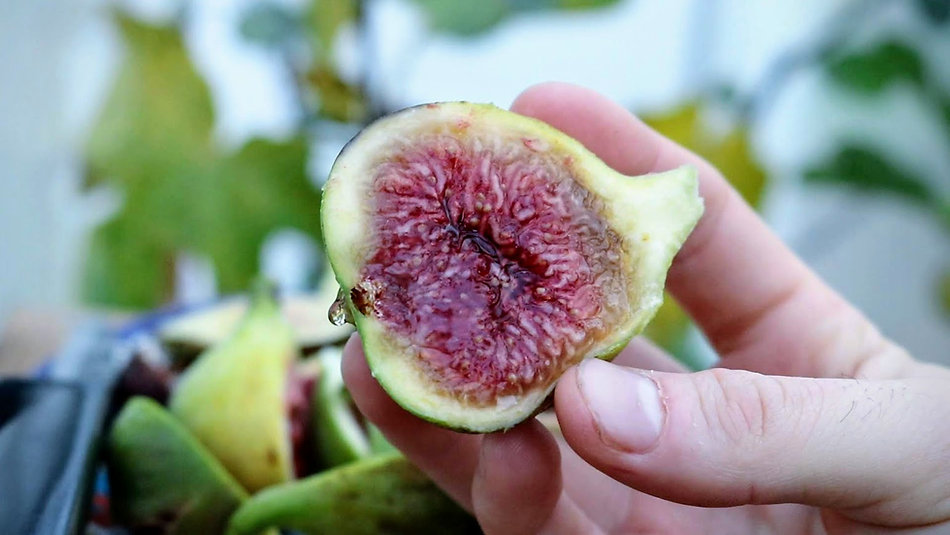
A Spanish variety from Monserrat Pons, Dels Ermitans is a split-resistant late fig featuring a rich berry flavor and a syrupy texture. Remarkably short hang time.

Survived unprotected for decades in Queens, NY. Great tasting.
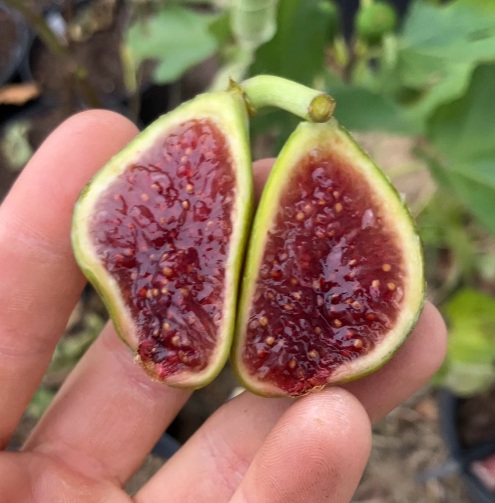
A variety with Italian origin from NYC. Said to produce white and black figs on the same branch. Tastes nearly identical to strawberry jam.

The standard variety for breba production. Very important in areas with a mild summer or for season extension. The main crop requires pollination.
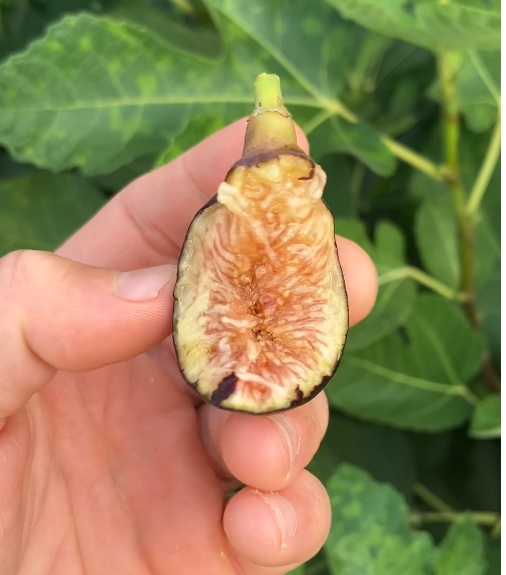
Figaholics introduction. Tasty common fig. Flavor may greatly improve with pollination.
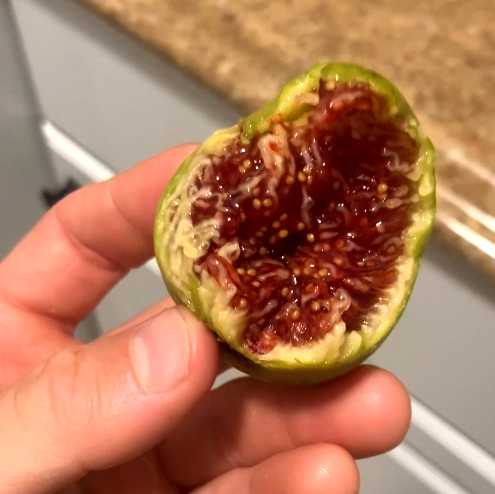
San Pedro type. Plentiful tasty brebas. May be synonymous with Desert King. When pollinated, the main crop holds and is very tasty.
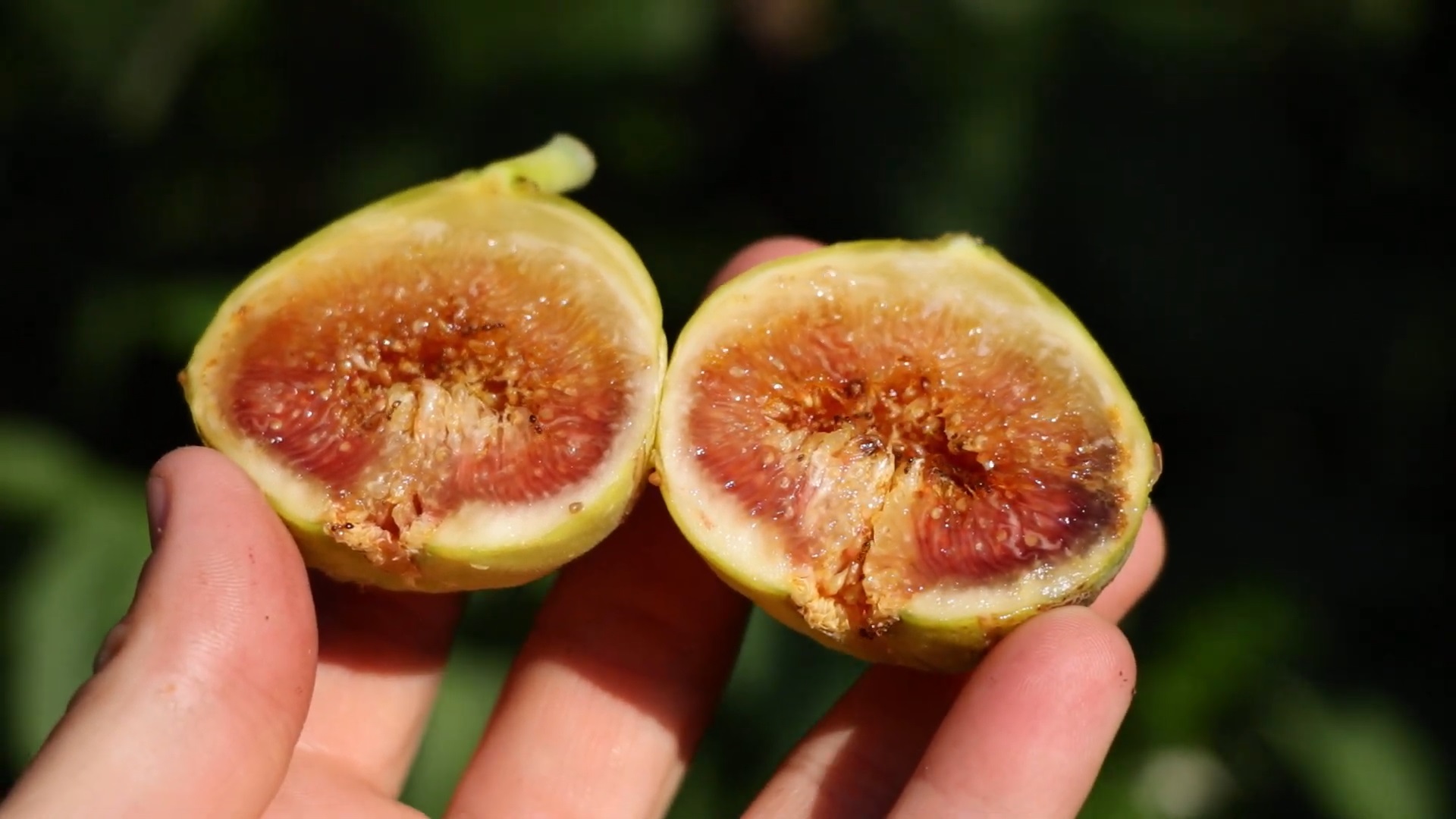
Ripens without pollination, but without it, is unimpressive. Recommended for dry climates only.
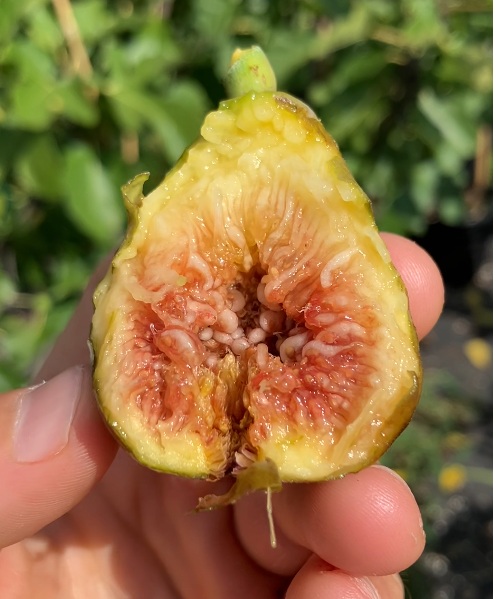
Huge triangle-shaped figs. Best for dry climates due to its open eye.

A mutation of Hardy Chicago displaying dwarf-like growth habits.
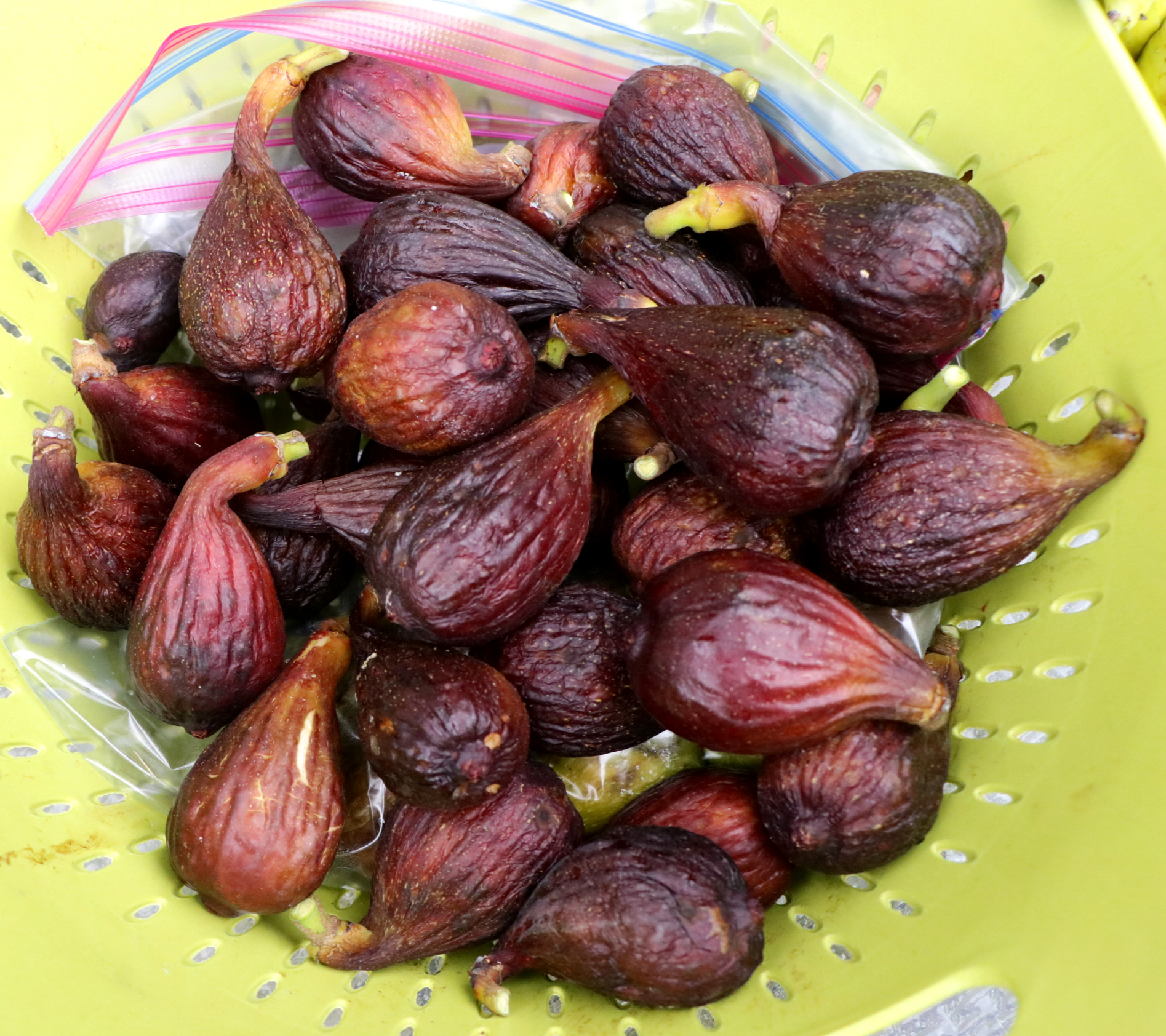
A commercial variety from Caneva, Italy. Incredible rain resistance, closed eye, great breba producer, hardy, tasty, checks all boxes.
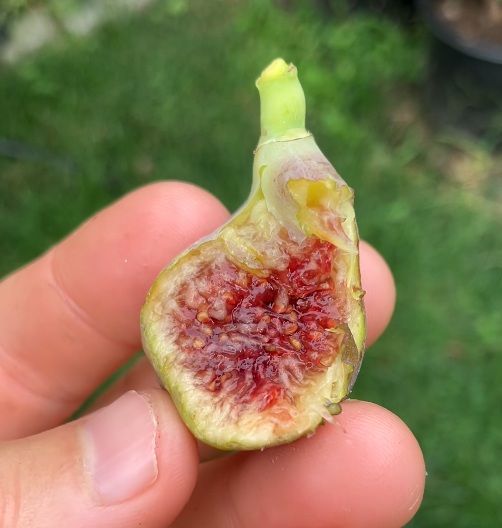
Intense berry flavor, thick texture. Resists cracking, promising in humid areas.
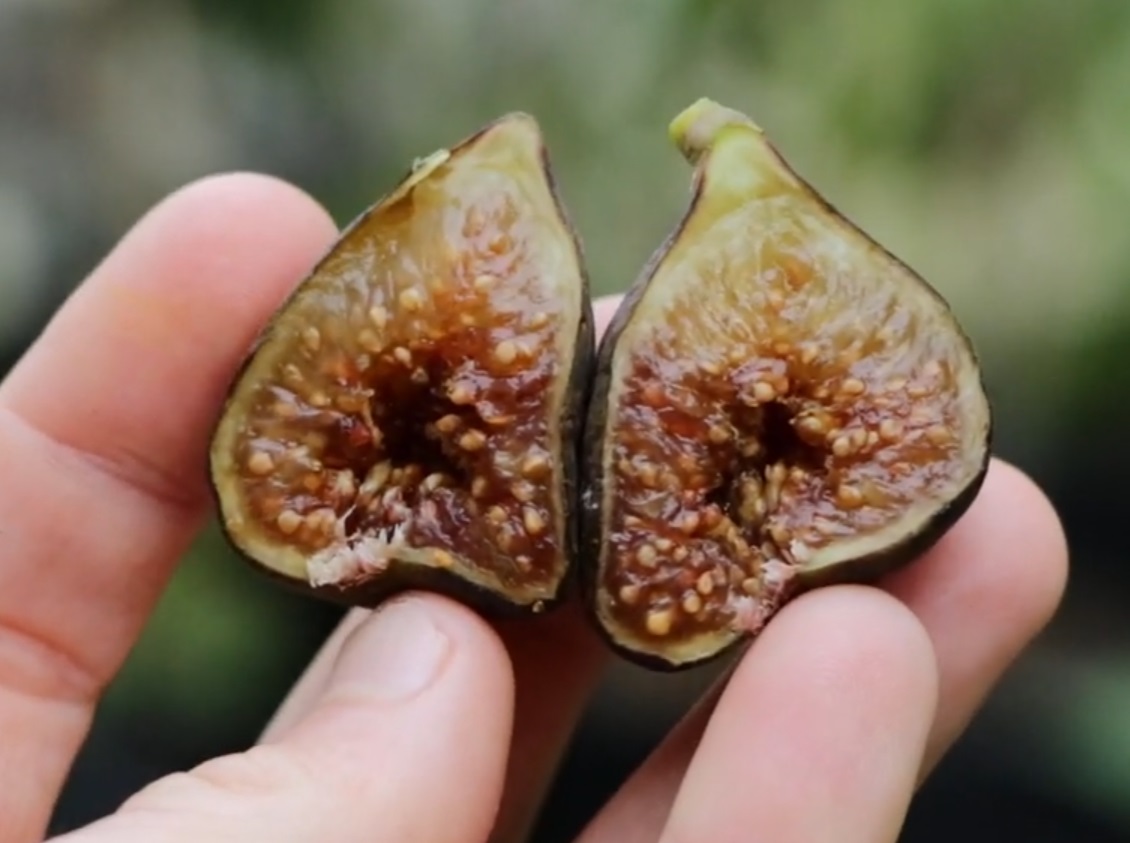
Arguably the hardiest fig. Ripens extremely early. Best eaten slightly shriveled.
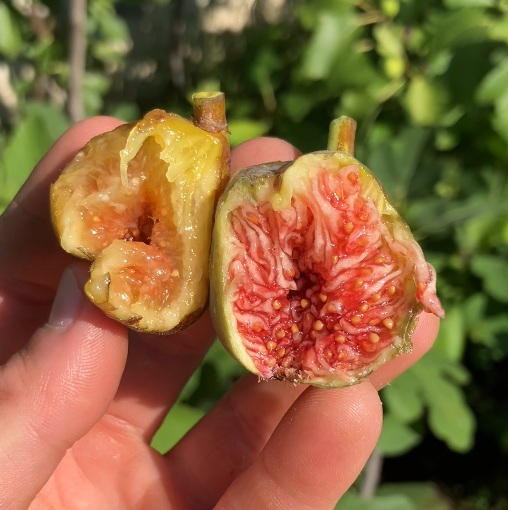
An Italian variety from Pomona Gardens. An amazing example of what caprification can do.
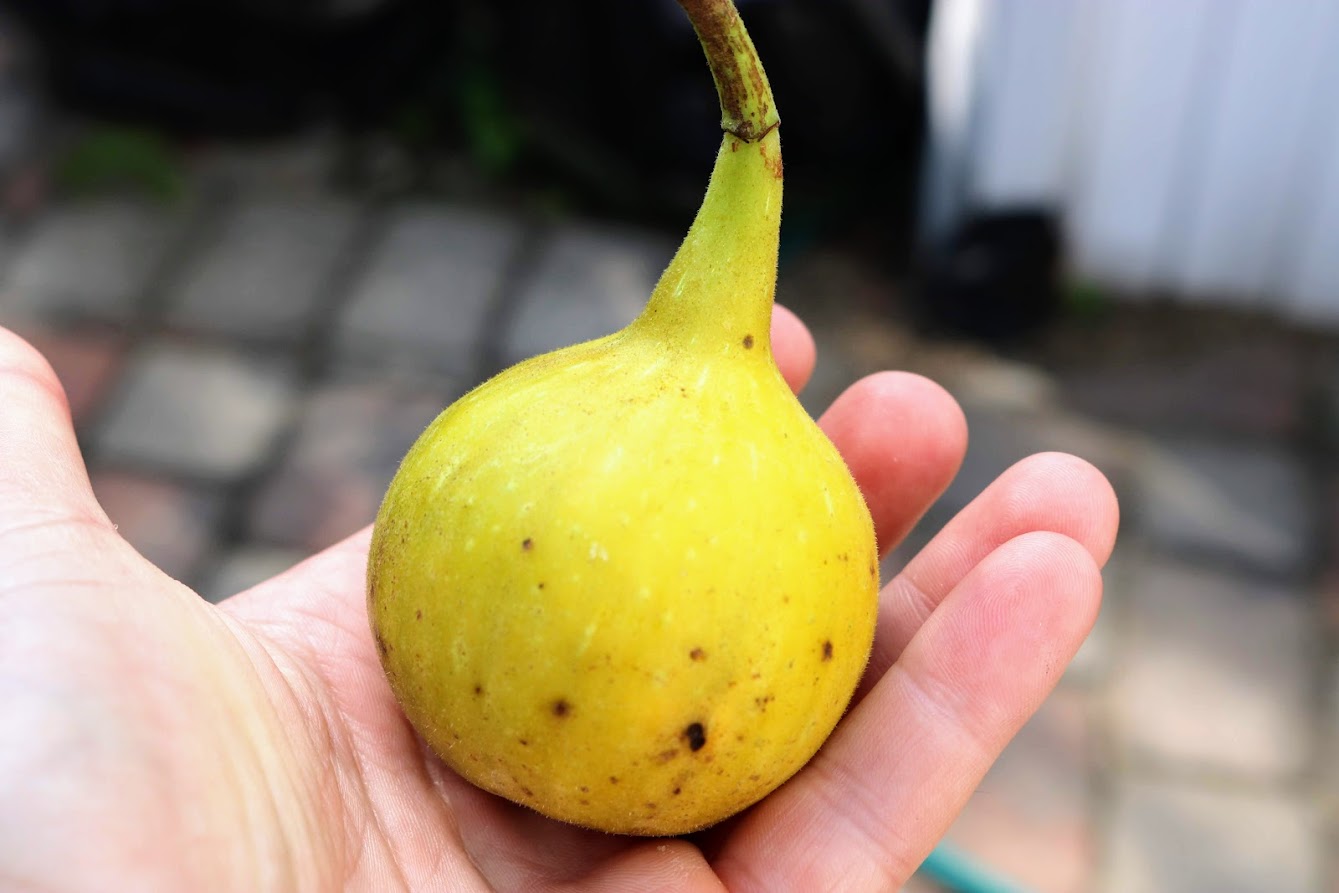
Produces huge honey figs. Tough skin and firm fruit. Commercial variety.
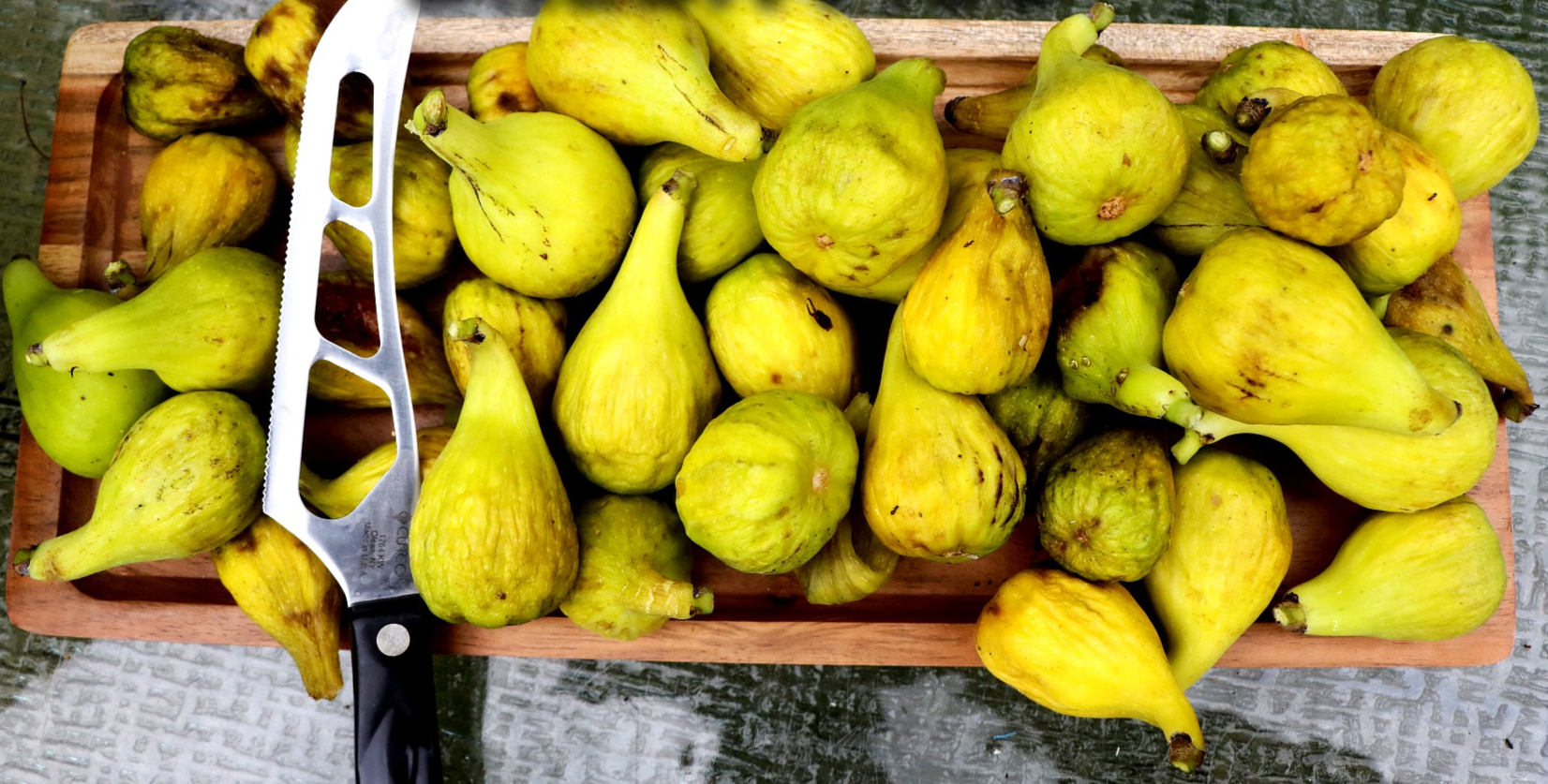
Bulgarian variety from PenandPike. Mimicks the Adriatic experience but ripens earlier and produces more breba.
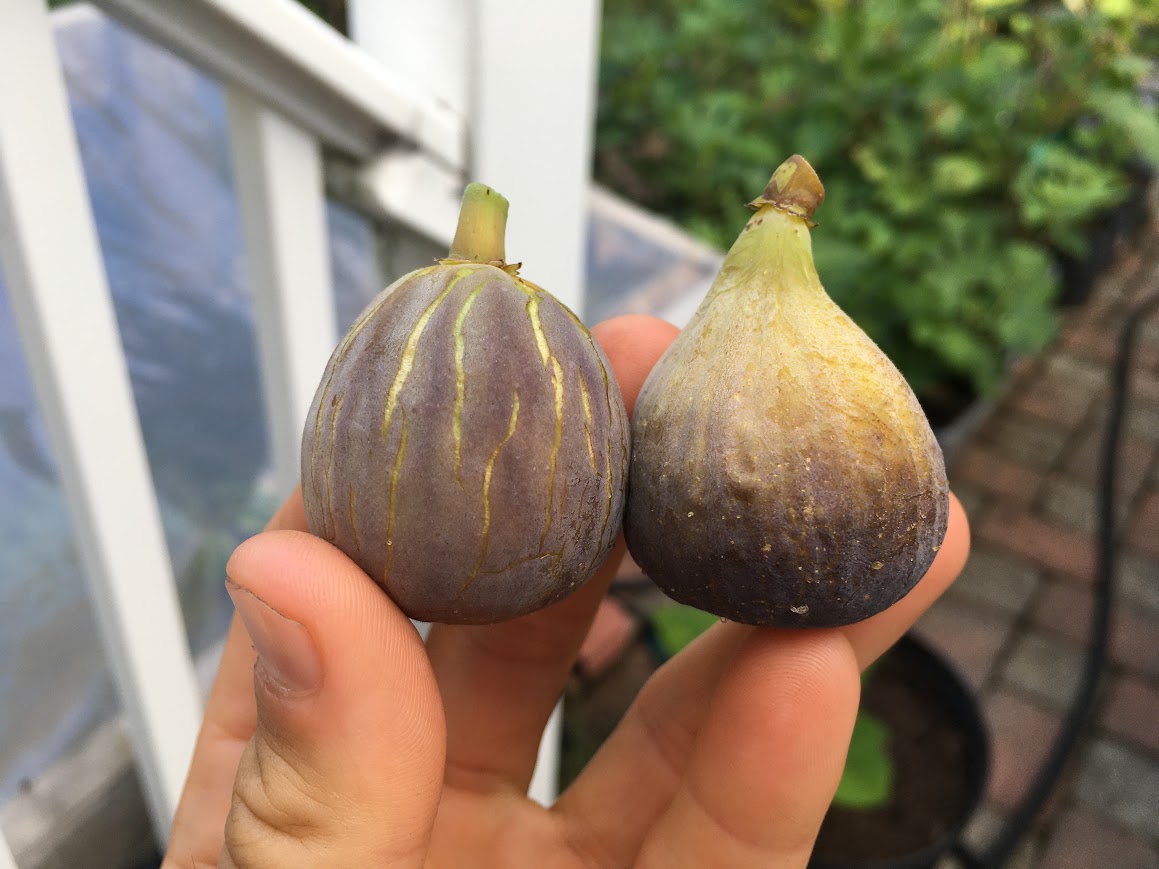
A popular commercial French variety found throughout Europe. Ideal texture. Dries easily. Horizontal growth habit. Lacking in hardiness.
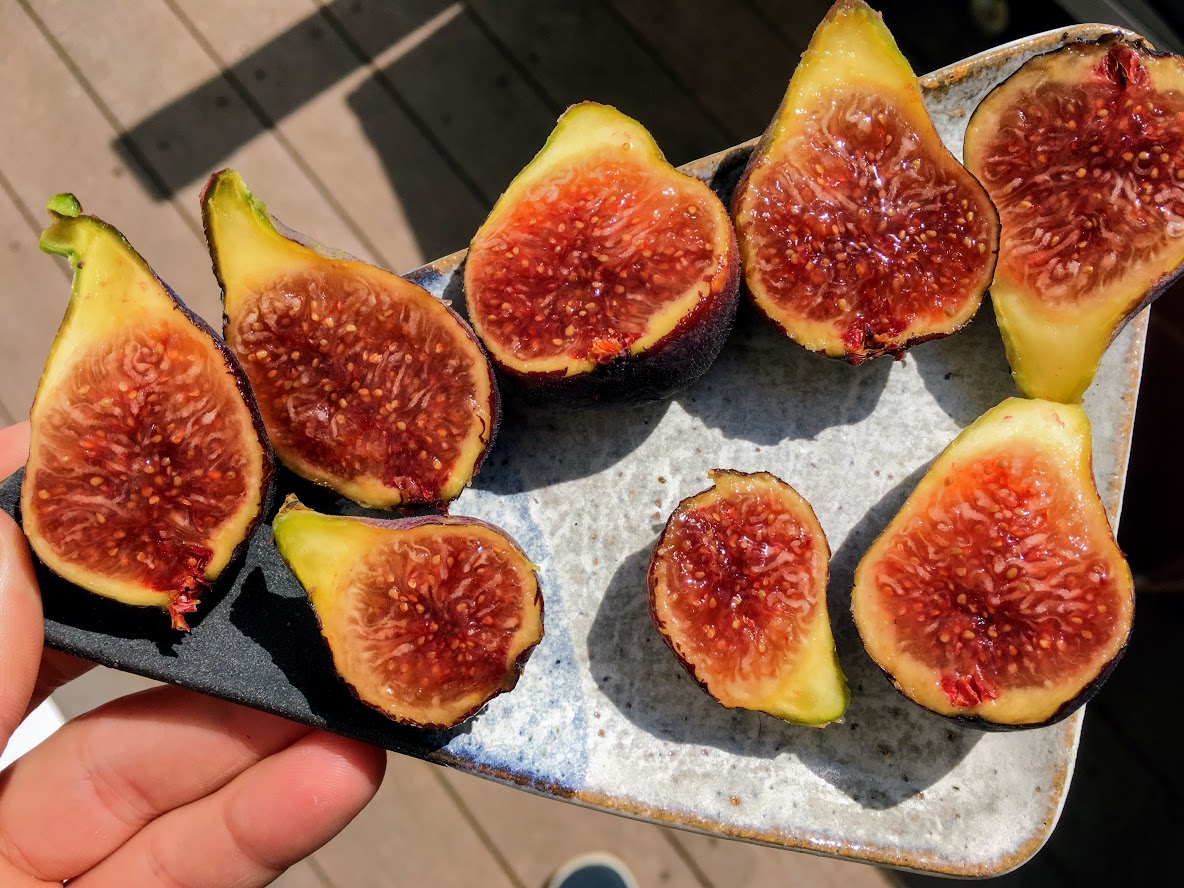
A fig variety so popular in the US that it's acquired over 100 names, yet not all are created equal. The standard hardy fig variety. Checks all boxes.
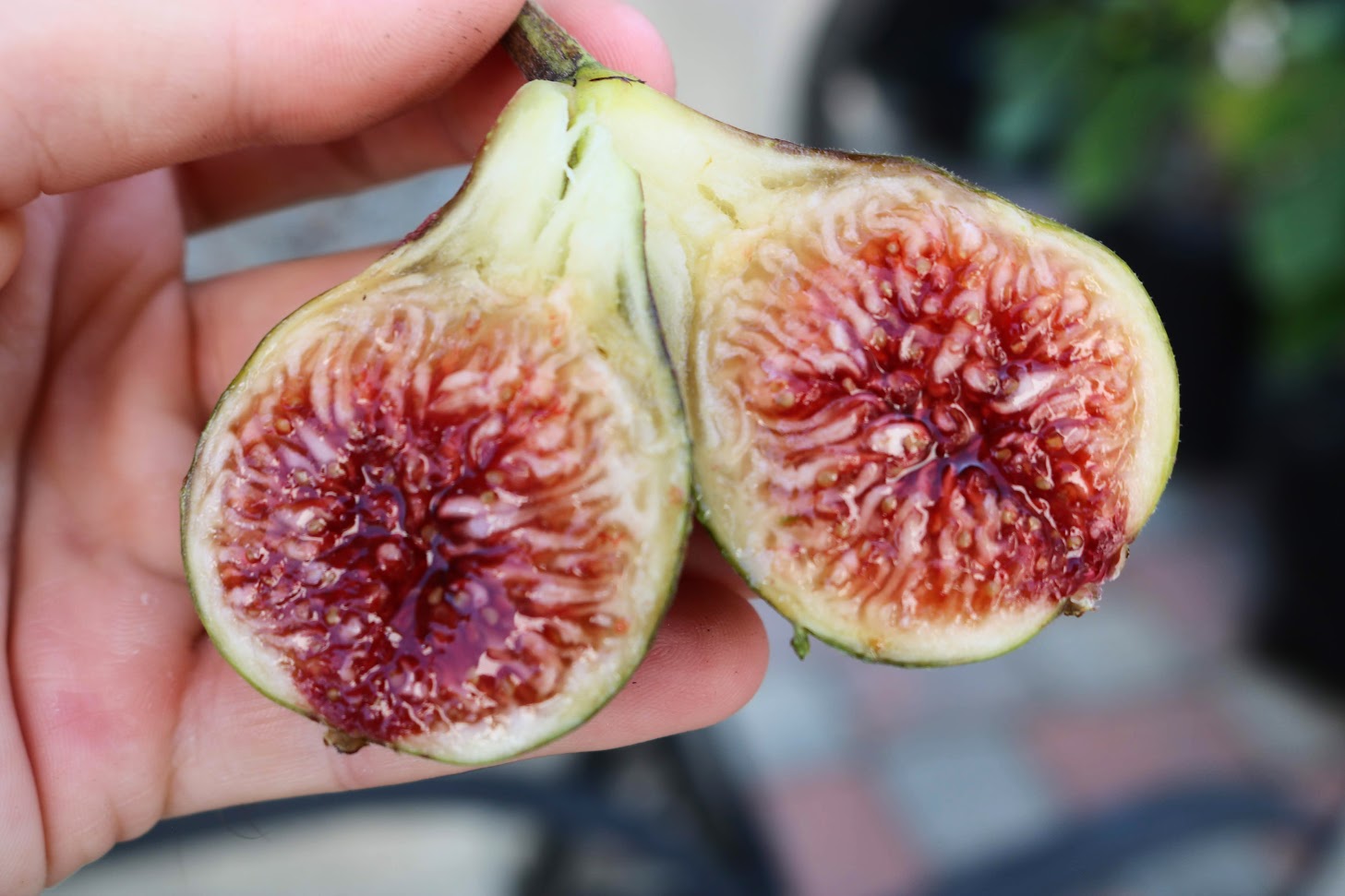
A Spanish commercial fig variety commonly found throughout Europe for its exceptional eating experience. Has many names. Dense, jammy texture with caramel notes.
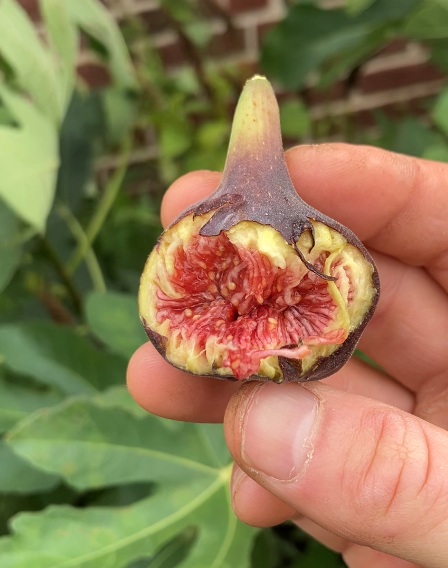
A California seedling tasting of plums combined with a higher resin flavor similar to Ronde de Bordeaux.
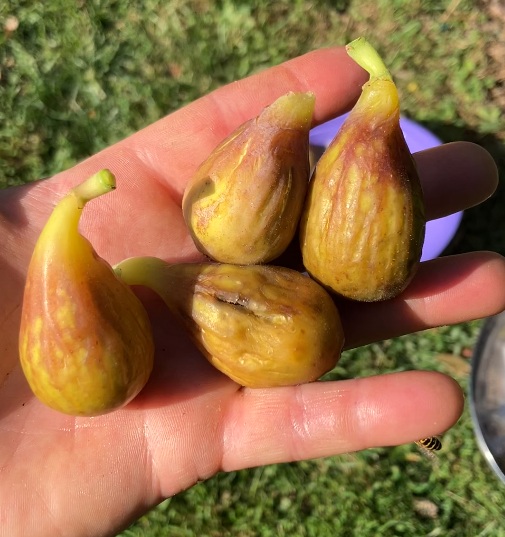
A seedling bred in 1929. Used by LSU as one of the parents of LSU Purple. Has a long stem and neck to protect its eye. One of the hardiest varieties.
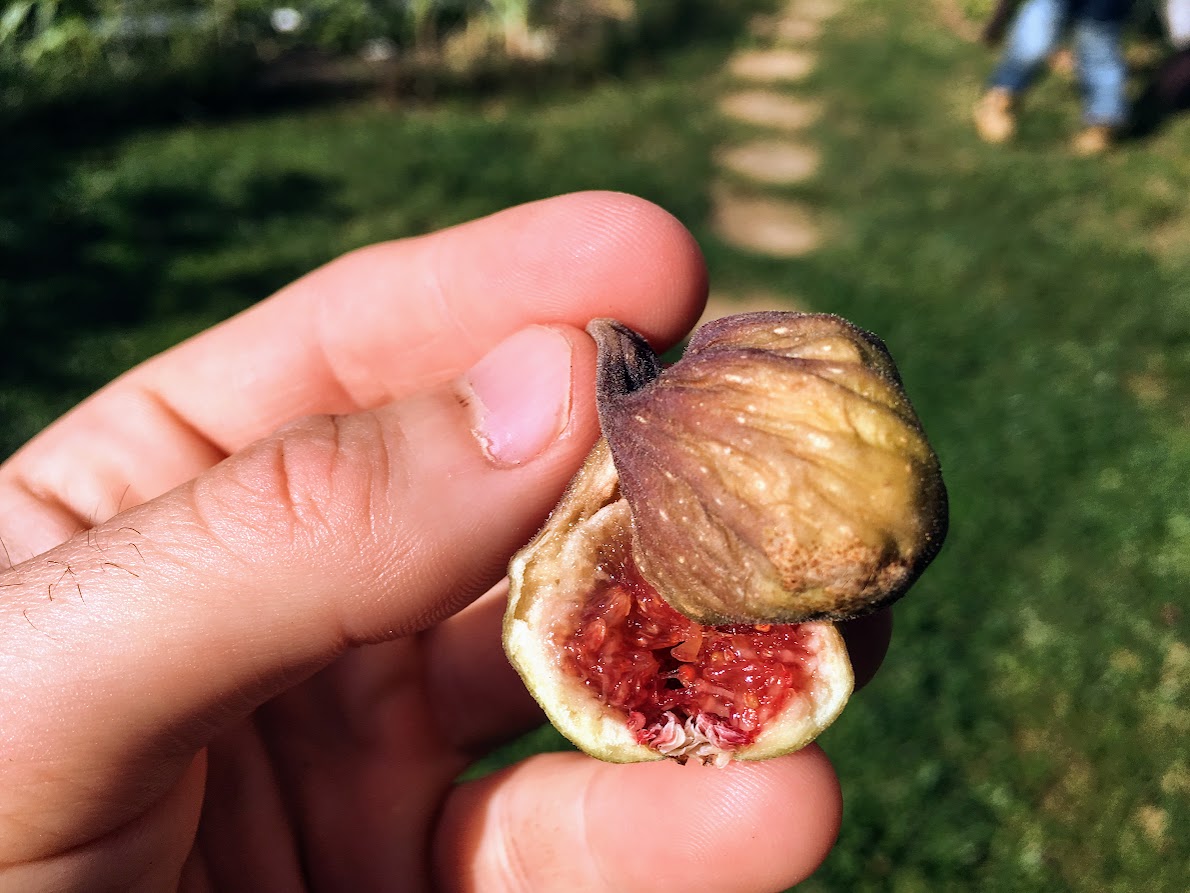
Growers love this variety for its early production and reliability. However, Celeste doesn't start much later.

Large, unique, and very sweet honey figs. A strong breba producer. Will produce two crops without pollination.
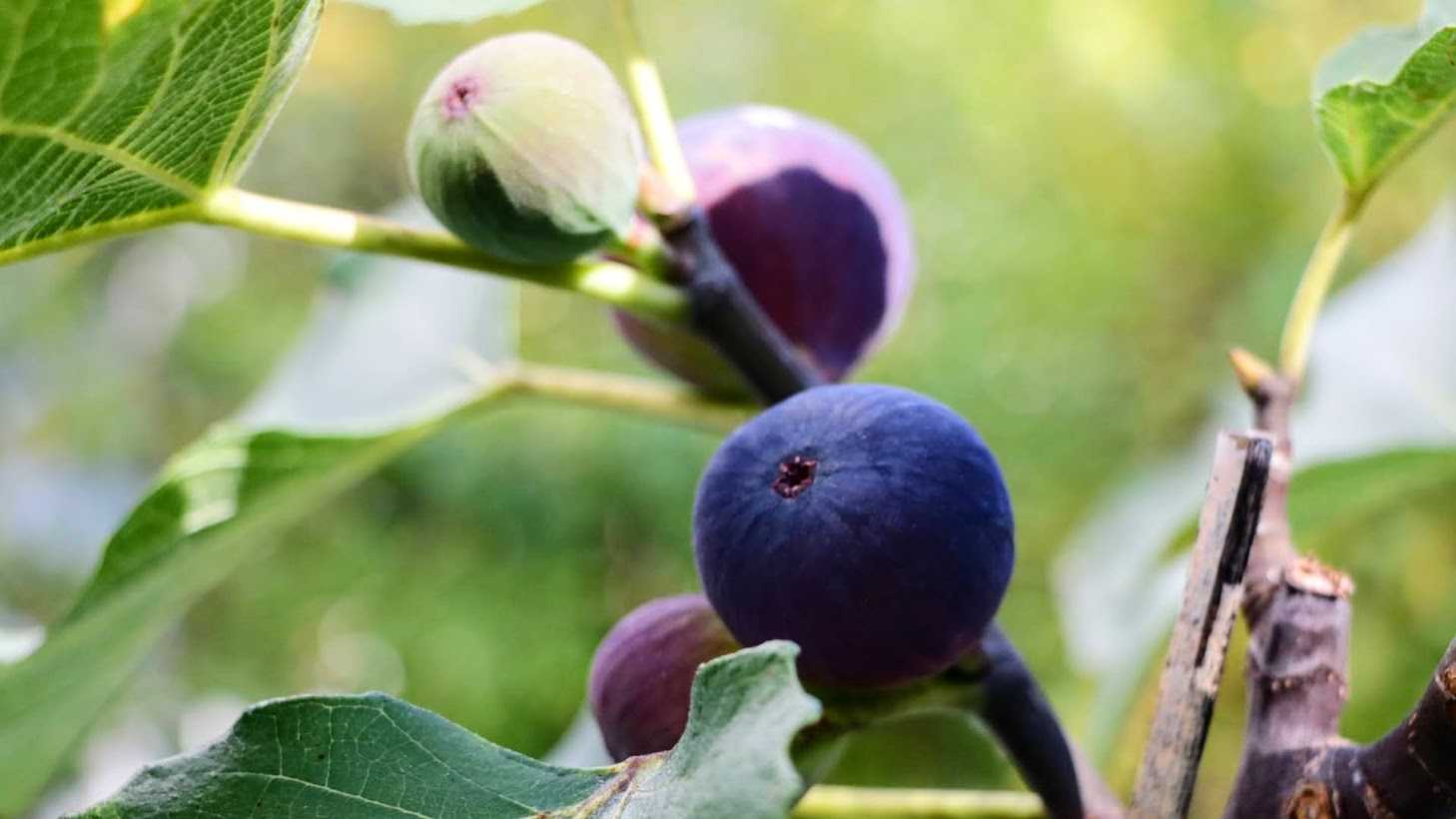
Great eating experience. Prone to splitting in humidity. Healthy sources critical.

Widely considered one of the best-tasting varieties available. It produces medium-sized figs with a purple-green skin and a deep red, jammy interior with intense berry notes.
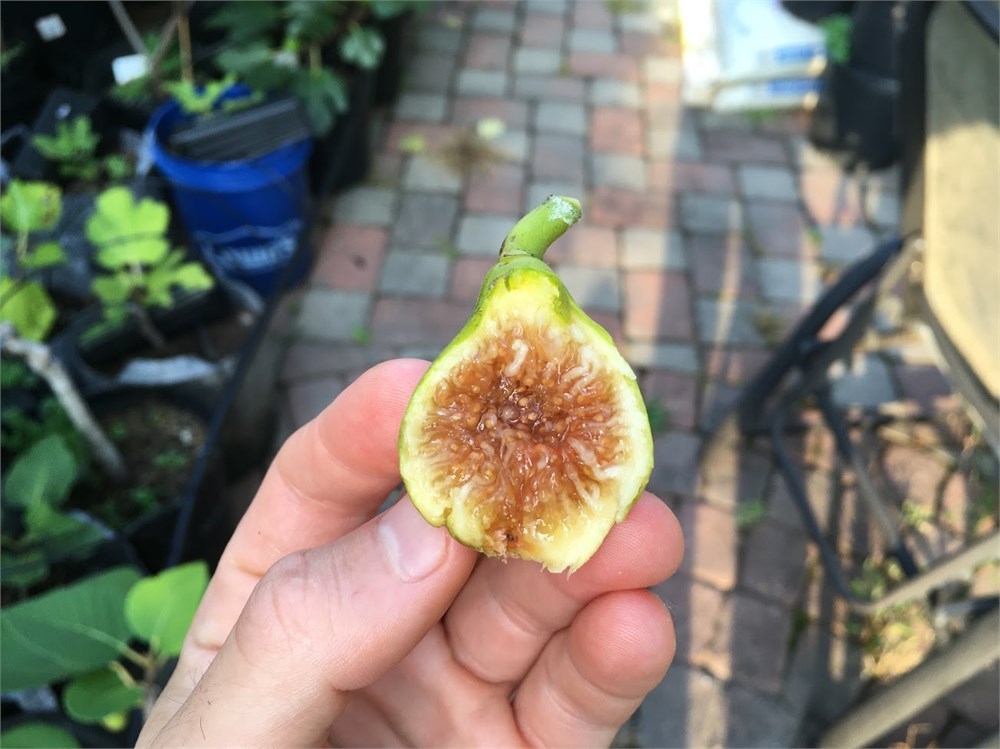
The oldest known commercial variety, found all over Italy made popular during Roman times. Still dried commercially today. Firm skin with juicy interior. Early and reliable.
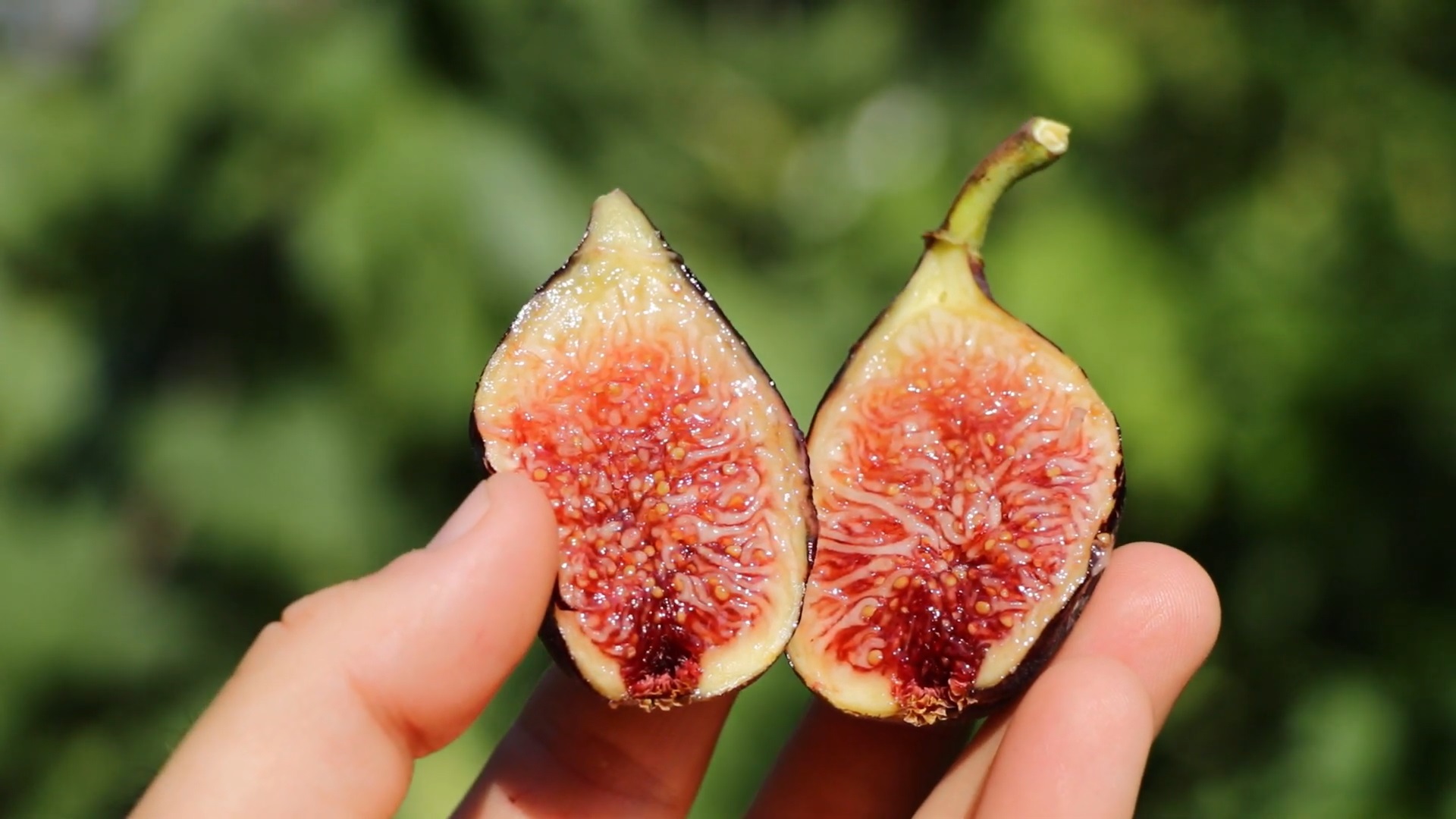
Hungarian variety similar to Black Mission. Very cold-hardy.

Introduced by Pierre Baud, a superb French variety that produces figs that ripen earlier and are similar to Coll de Dama.
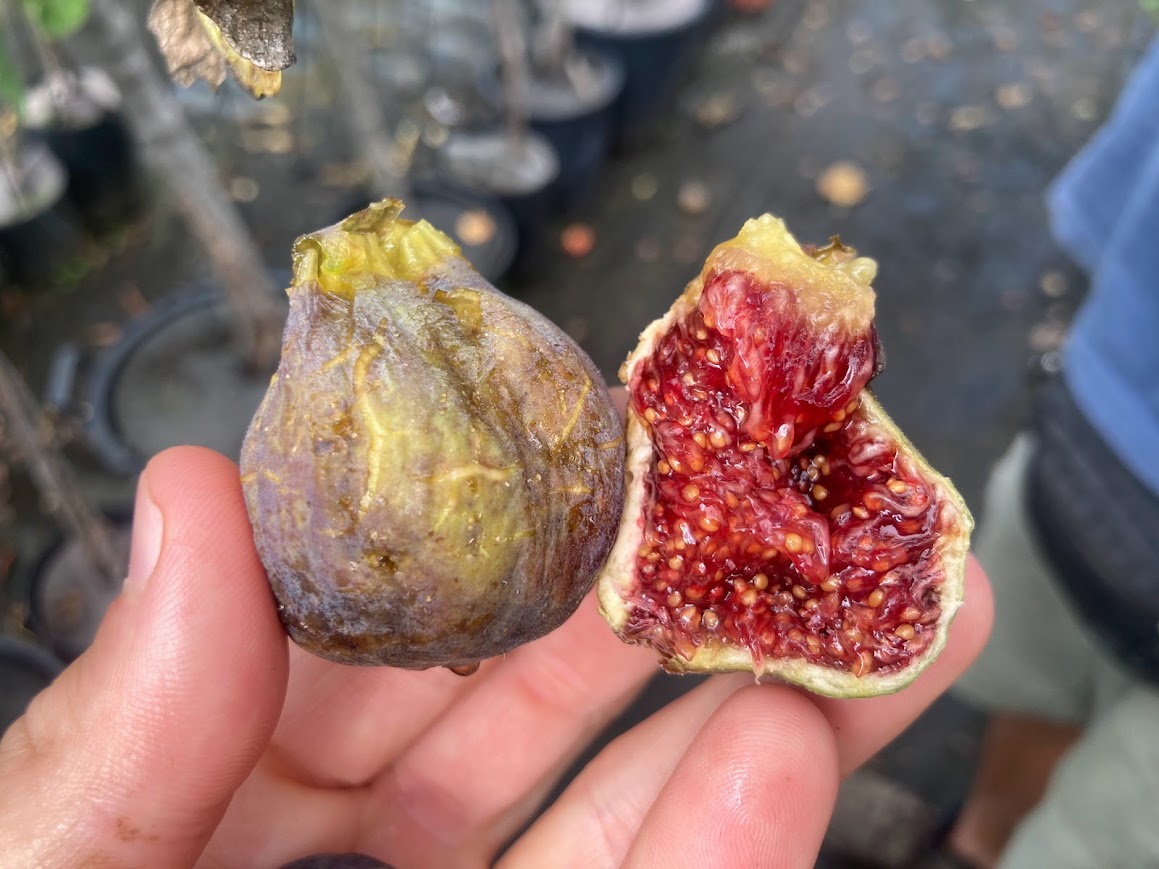
From Omezzolli Nursery in Italy.

A Portuguese San Pedro variety known for its high quality and productive breba crop.

True dwarf that doesn't get much taller than 6 ft without pruning. These figs dry on the tree very quickly with a strong dried fruit flavor.
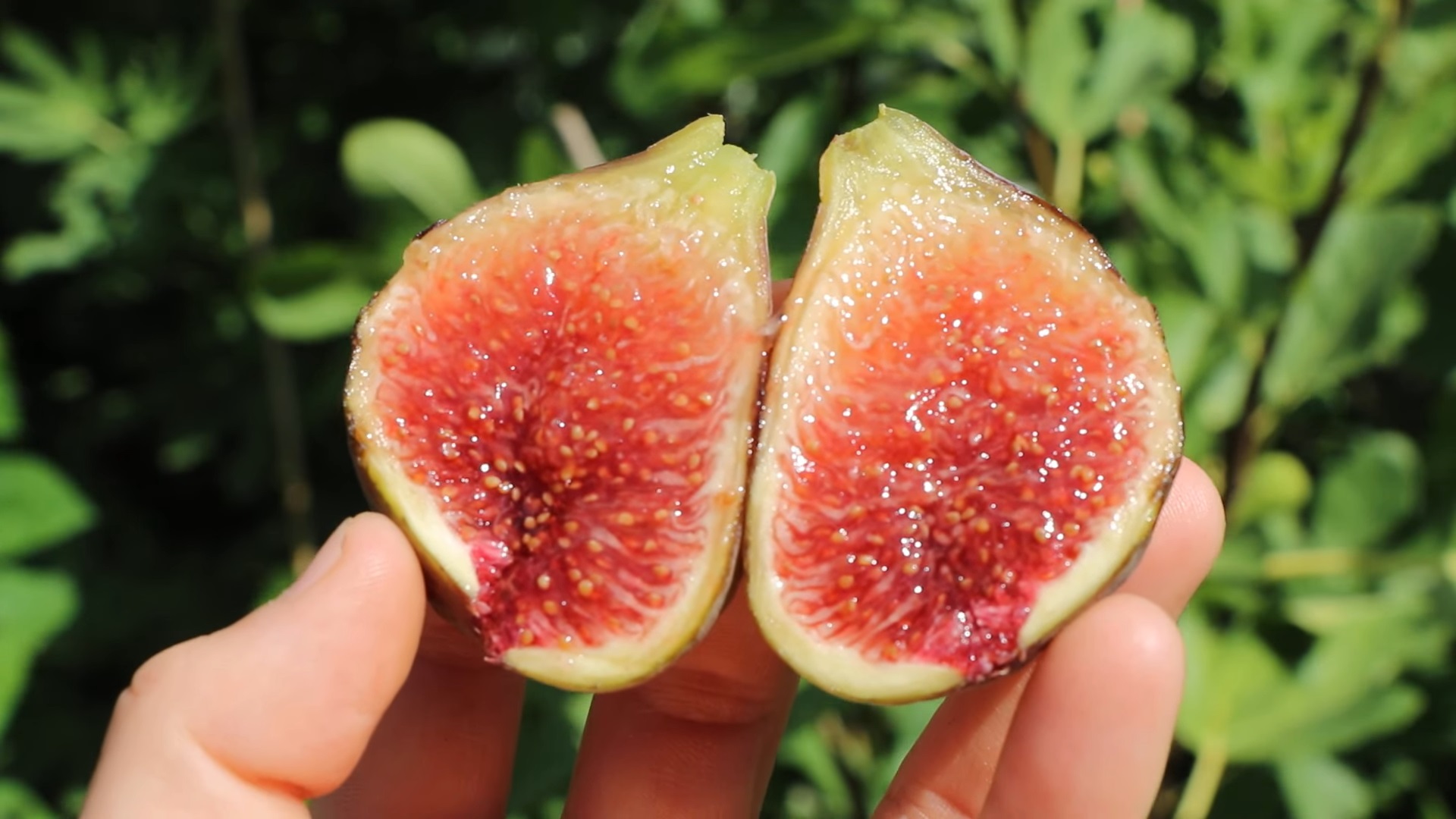
A French variety found throughout Europe for its exceptional cold hardiness, size, and breba production. Cotton candy sweetness. Preferred in dry climates.
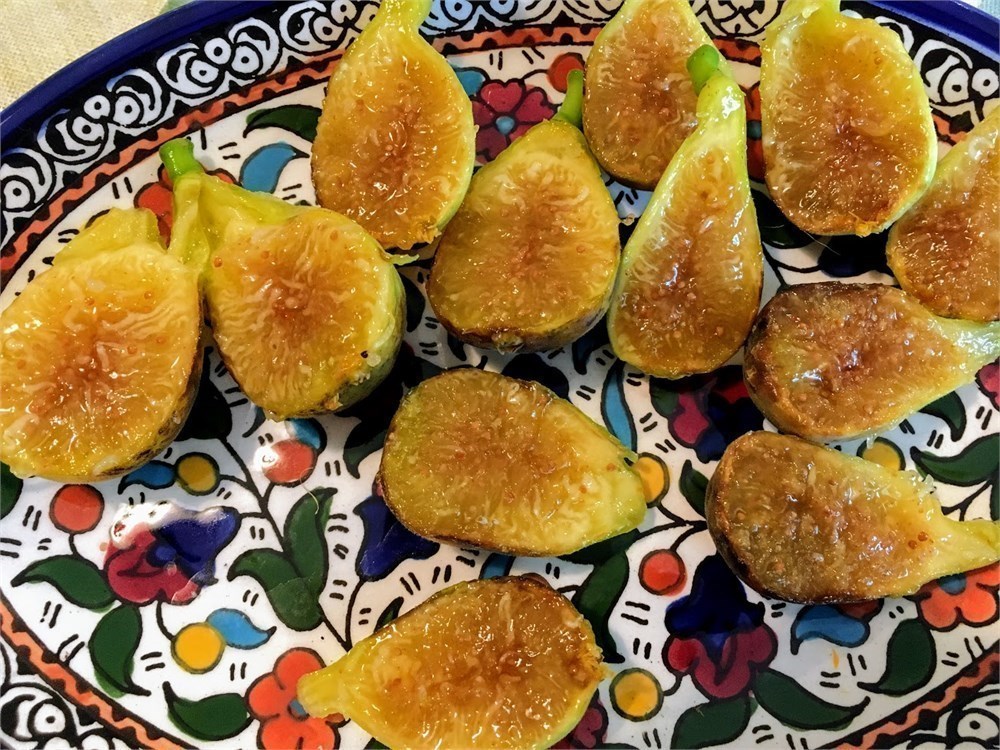
Bred by LSU. Its short hang time allows quick ripening between rain events. Strong vanilla flavor.
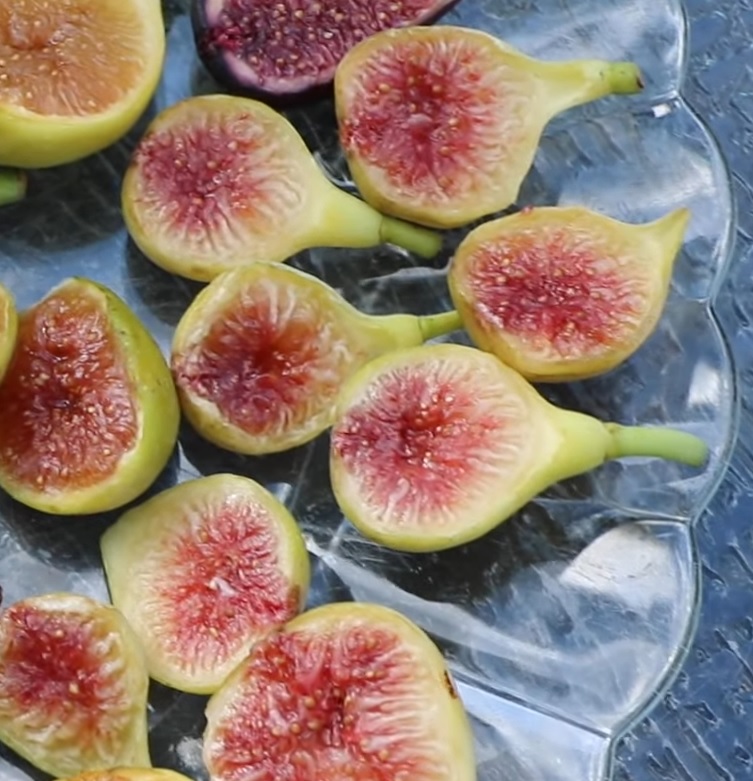
Bred by LSU. Dries well on the tree, producing sugar berry figs of high quality. Produces a light breba crop. Also known as Unk Spain due to a labelling error.
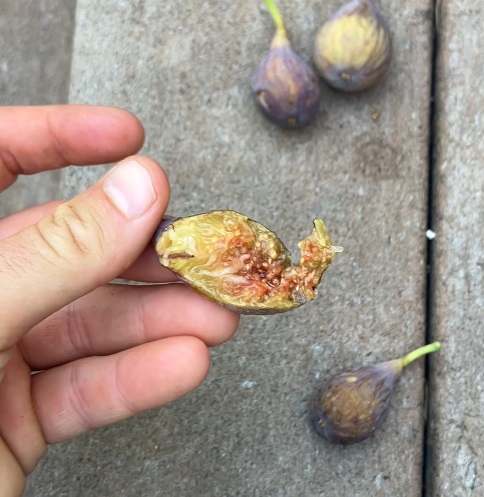
Named after Dr. O'Rourke. Said to be an improvement of Celeste. Has a lighter pulp color.
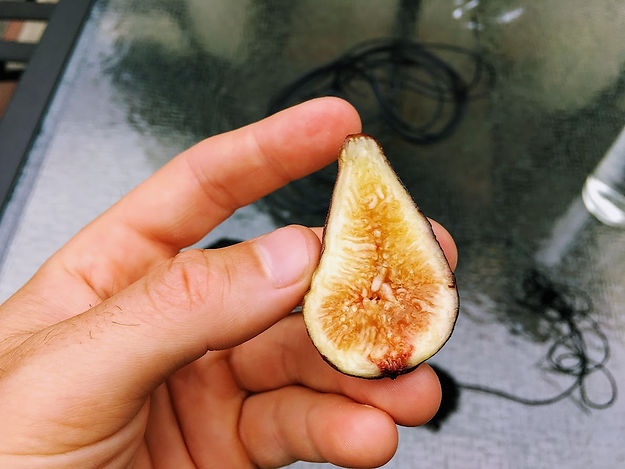
Bred by LSU with Hunt as one of the parents. Not the most favorably thought of variety because instead of the figs dropping when the soil dries out, the fruits will become damaged and taste horrible. Nematode resistant. Excellent rootstock in sandy soils.
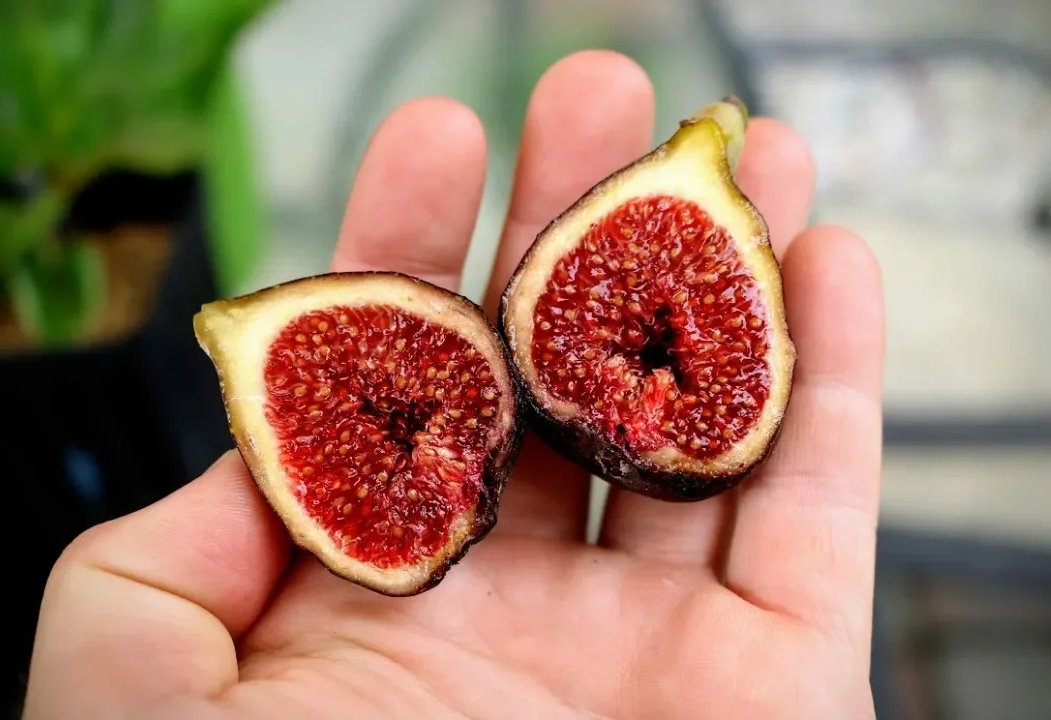
Bred by LSU. Medium-sized berry figs that are very productive. Performs best in drier climates.
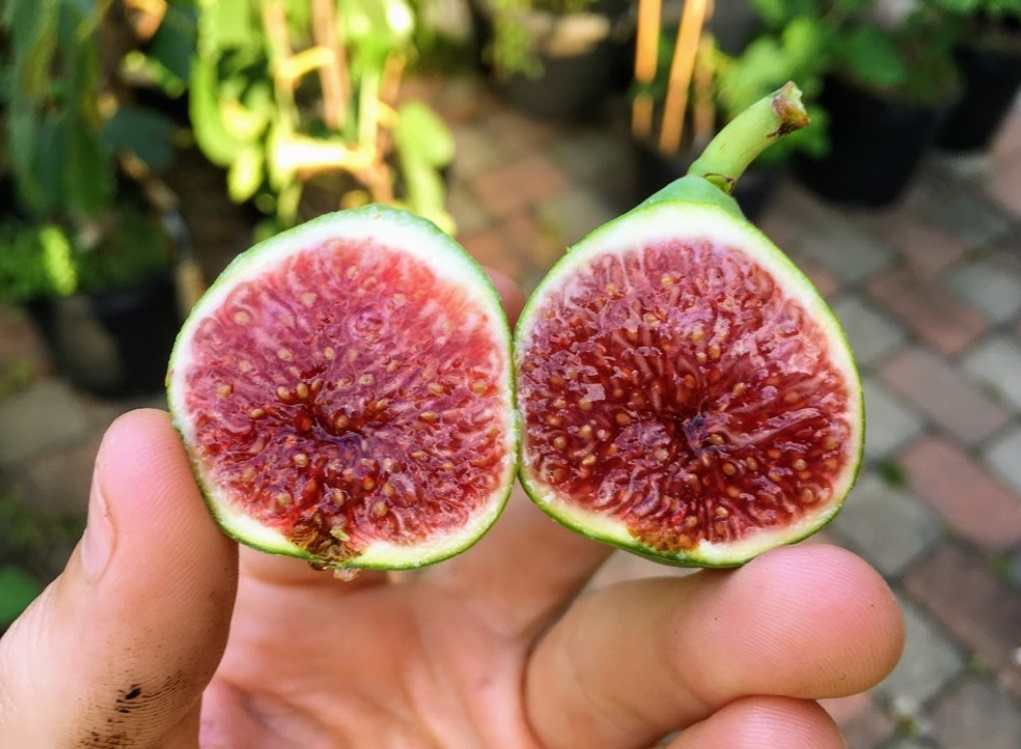
Found in the LSU trial fields. Believe to be a seedling of Smith.
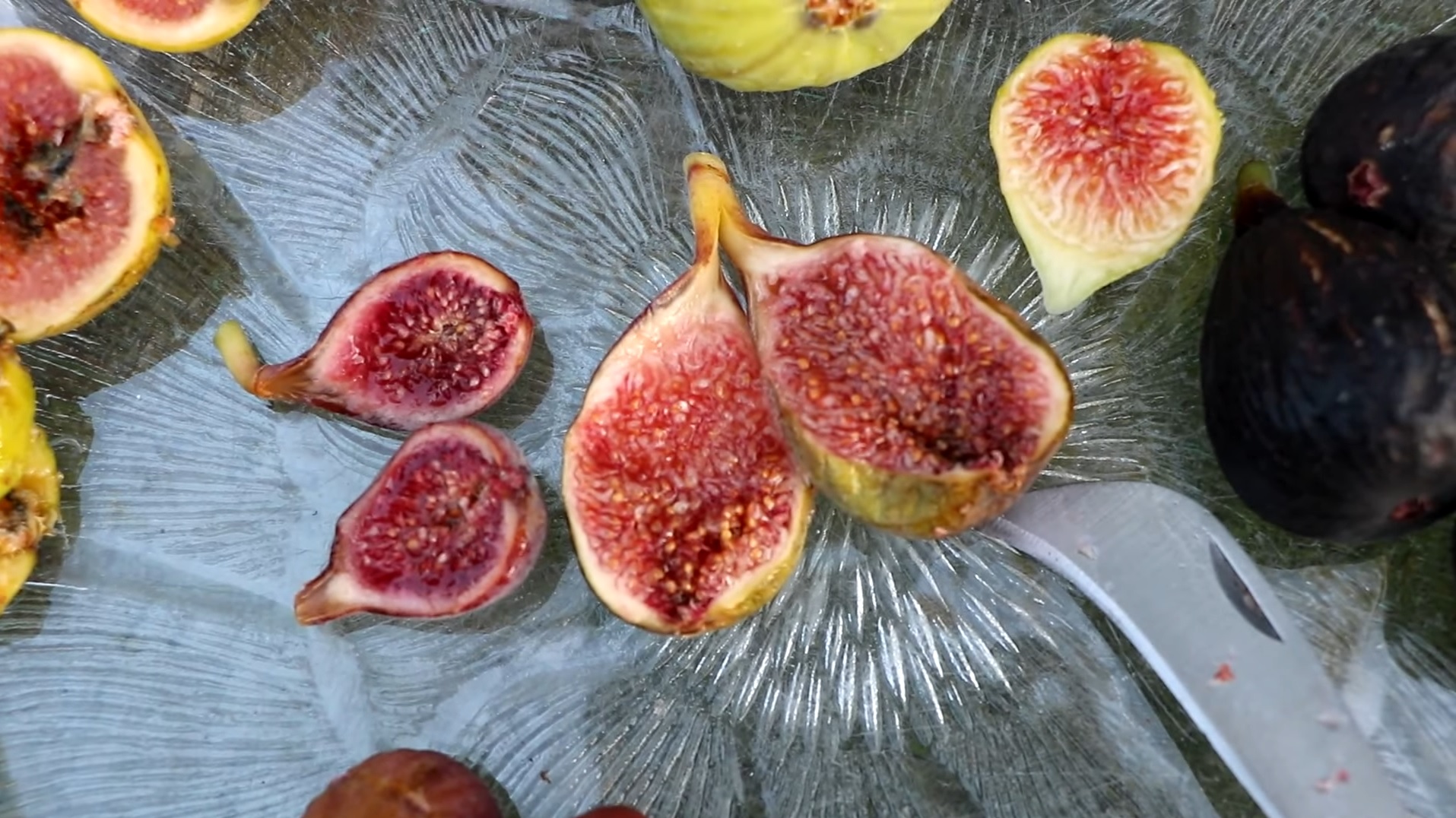
Bred by LSU. Double the size of Celeste with thick, chewy skin. Excellent cold hardiness.
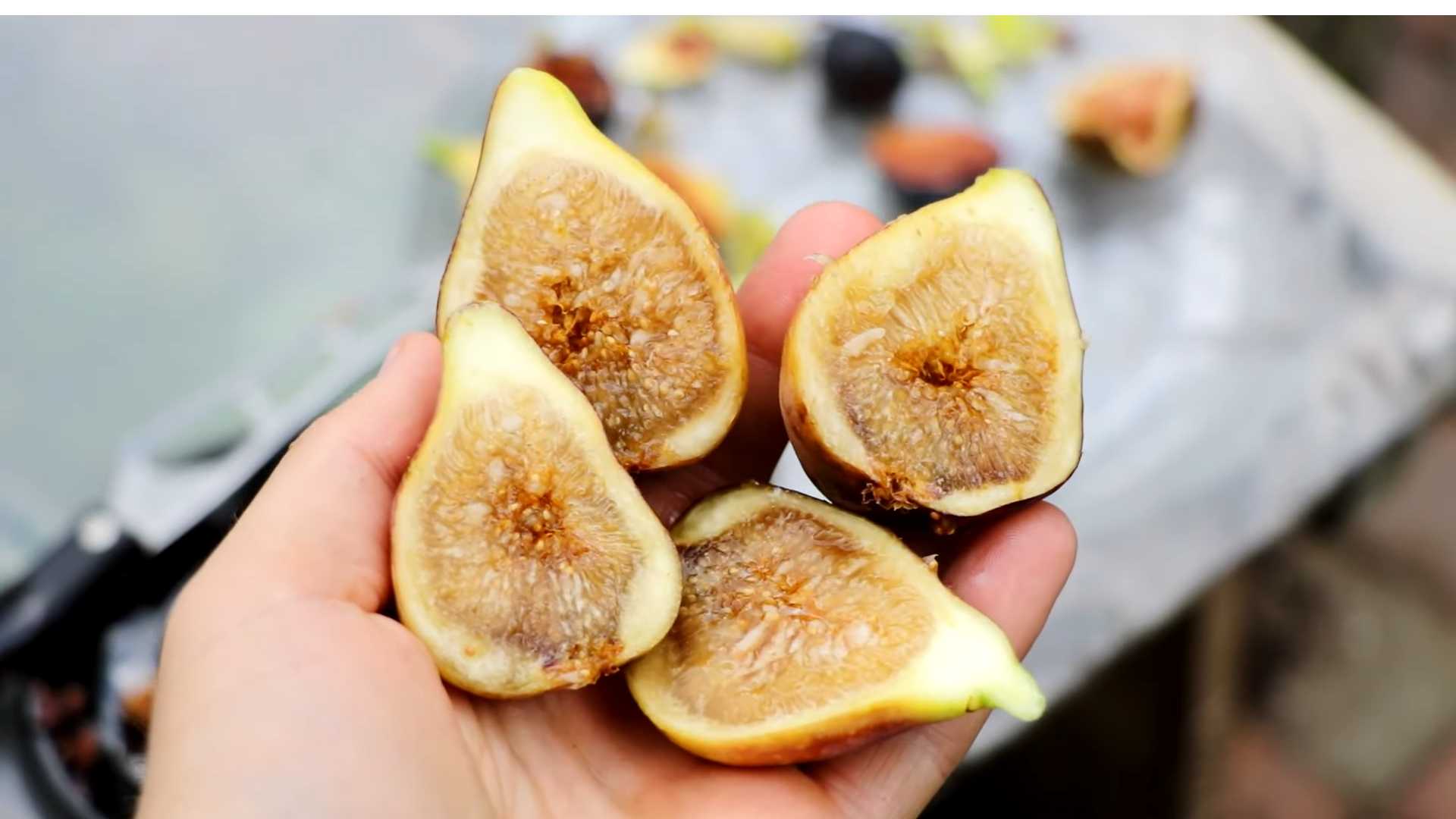
Italian heirloom variety. One of the best-tasting honey figs. Complex profile with tropical notes.
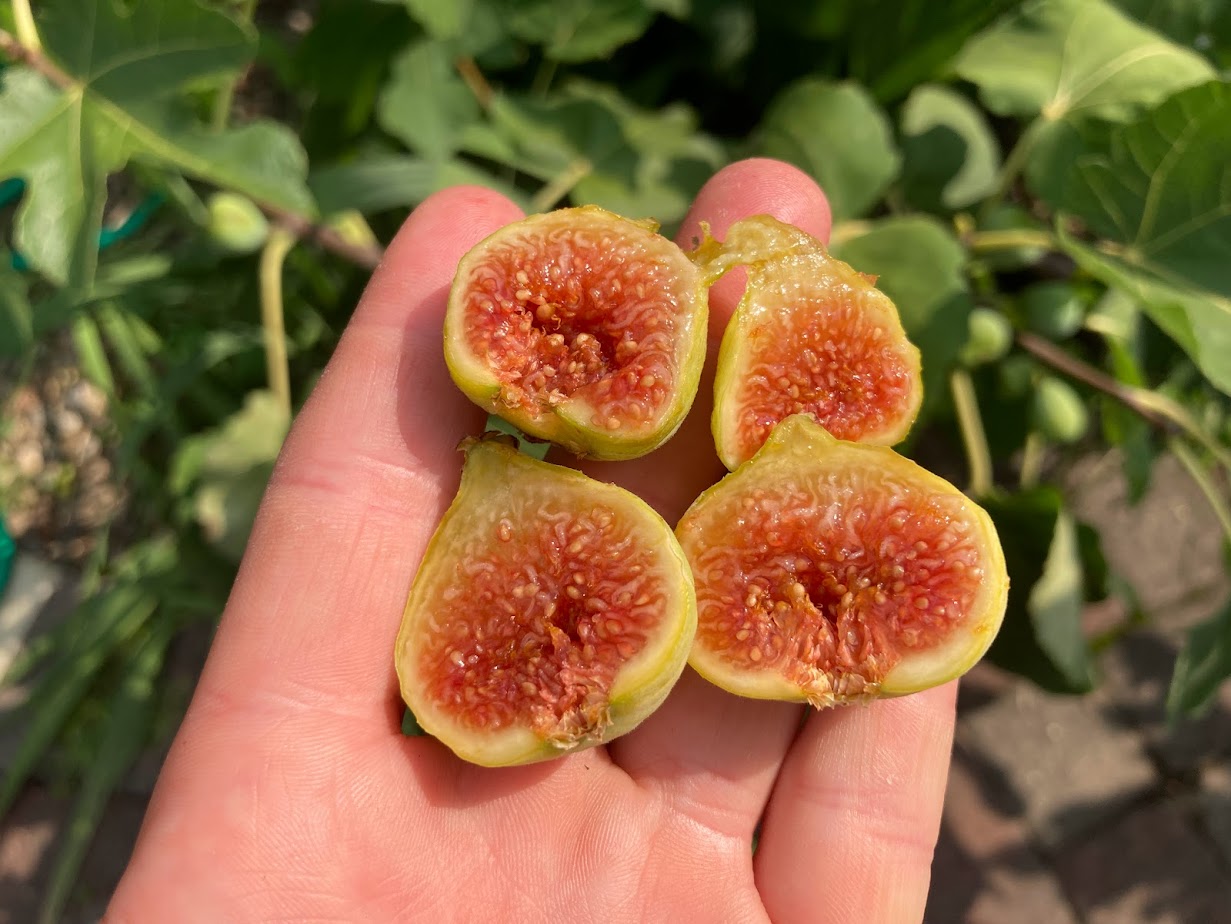
Excellent French variety from Pierre Baud. Nearly perfect dried figs every time. Perfect for humid climates.
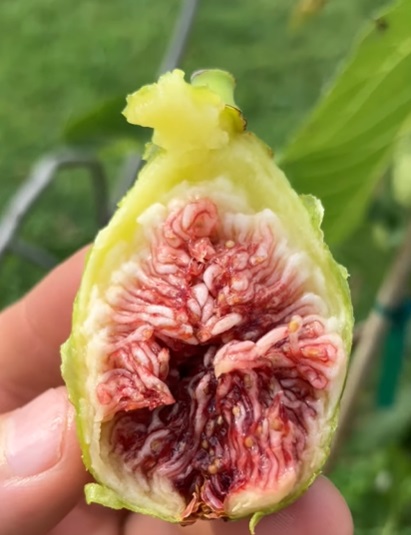
Superior Coll de Dama Blanc type. Maintains quality in cool fall weather.
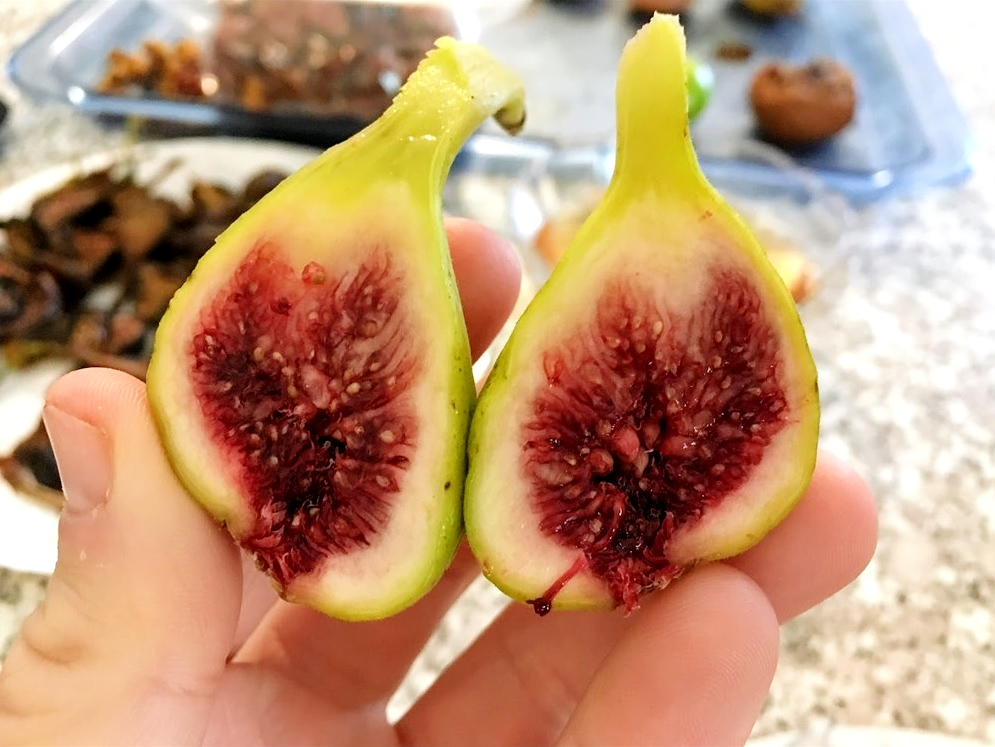
Swiss/French border find. Elongated berry fig. Vigorous.
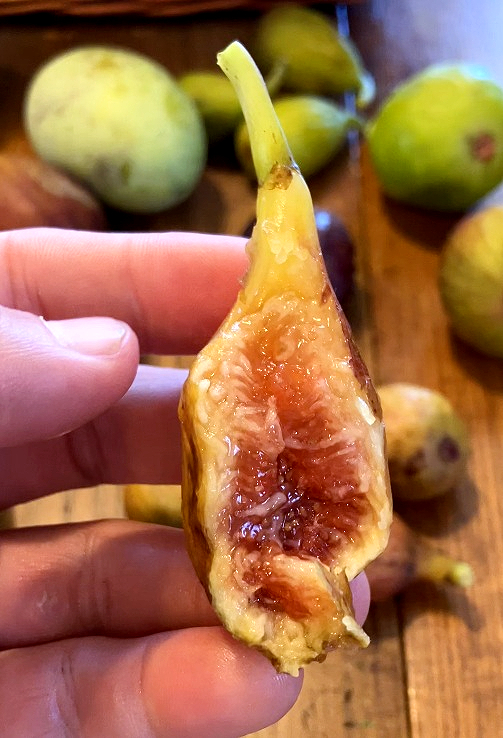
Long stem and neck allow water shedding. Early ripening.
Elongated shape protecting eye from water. High yields and cold hardy.
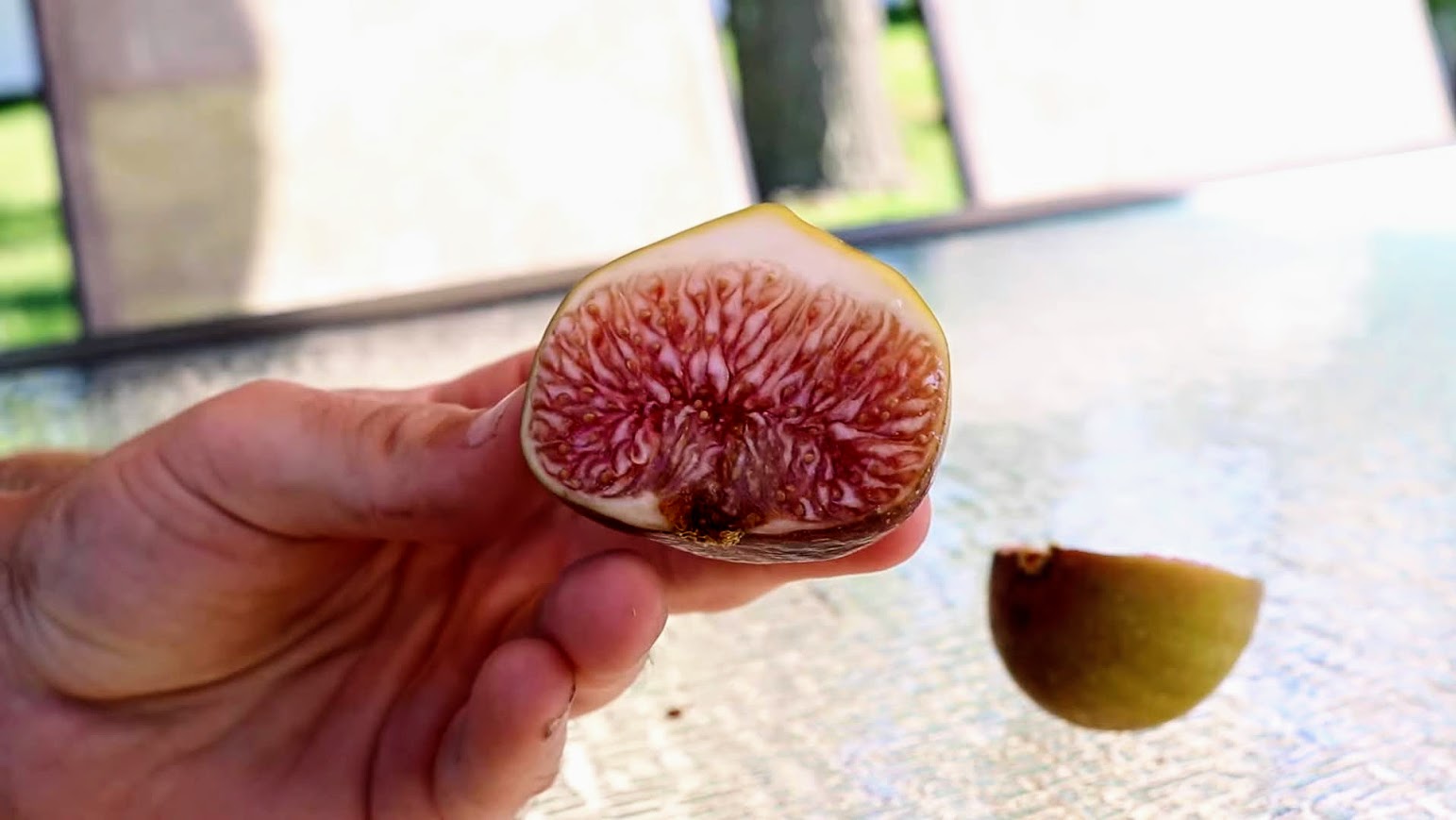
Large caramel-flavored Portuguese fig. Vigorous and early.
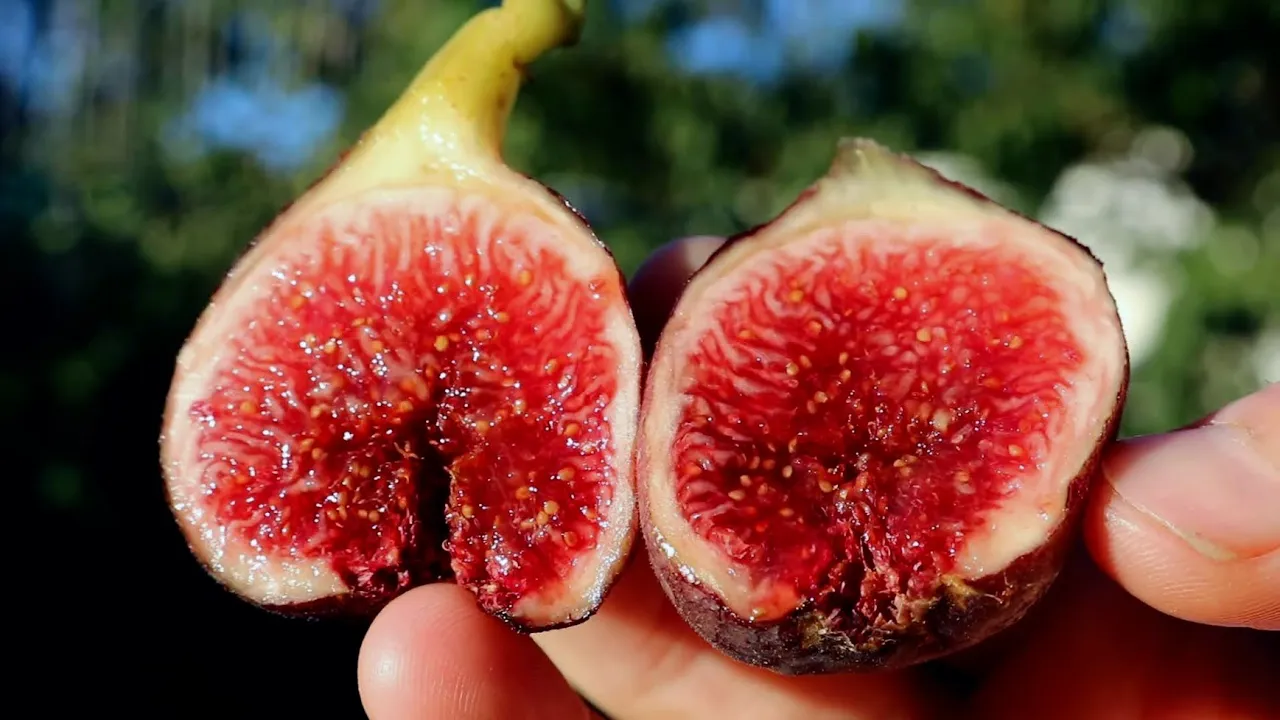
Withstands storms. Compact dark meat with nice acidity and cherry notes.

A rare Italian variety from the island of Elba. It produces small to medium figs with very dark skin and a dense, sweet, dark red interior with strong berry notes.
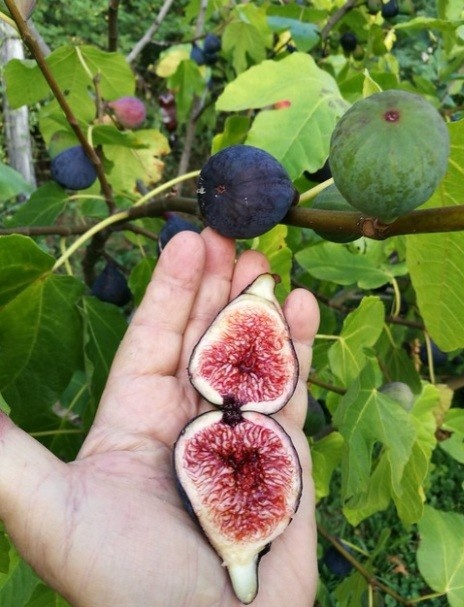
Closed eye and great berry flavor. Little to no cracking.
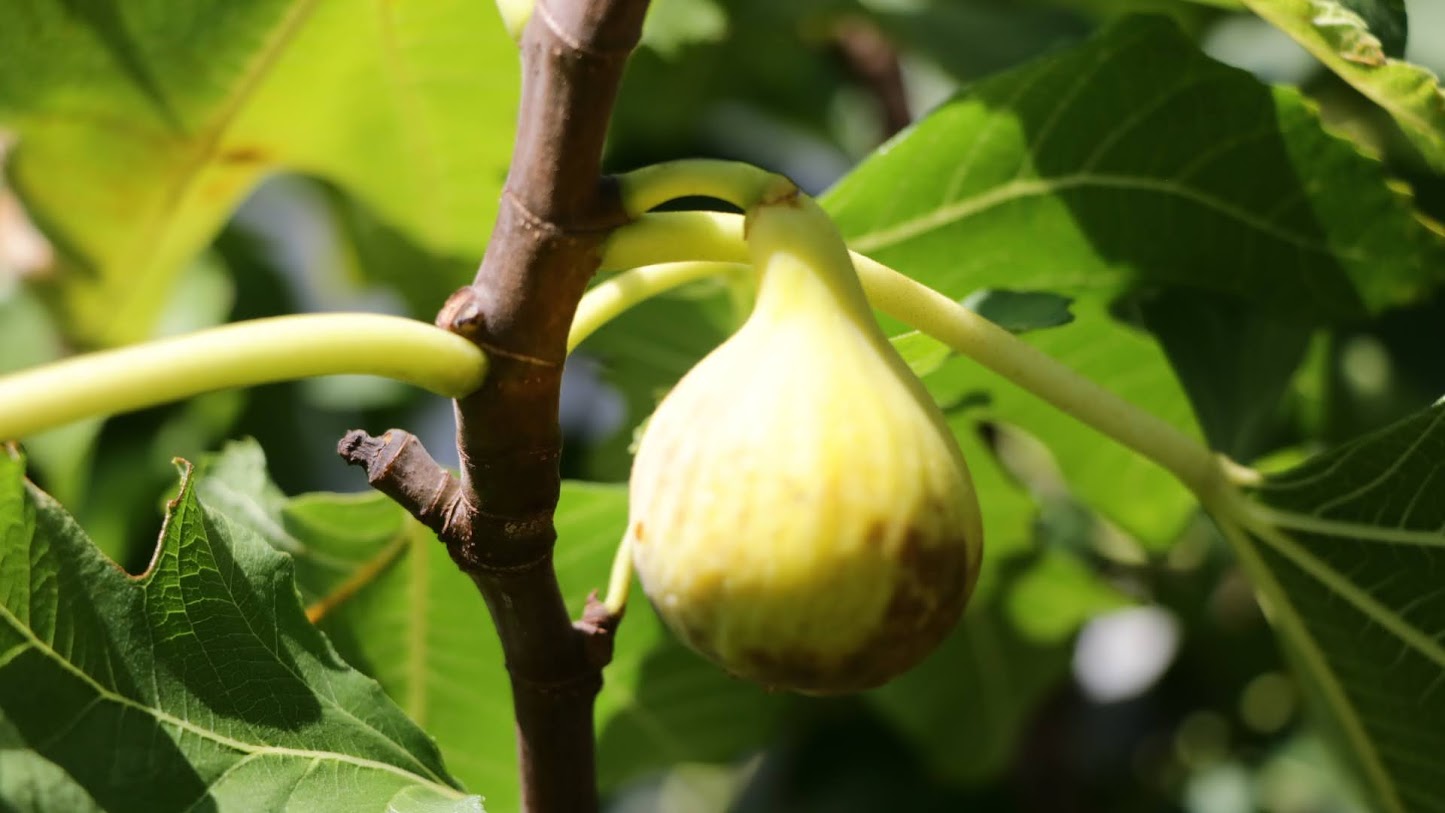
Croatian find. Elongated shape sheds water. Dense texture.

A high-quality French variety known for its dark, almost black skin and a rich, deep red berry interior. It is prized for its intense flavor and productive nature.
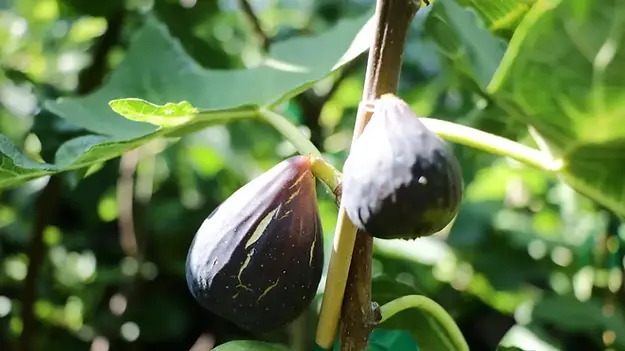
A classic French variety that produces large, dark purple figs with a sweet and juicy red interior. Known for its rich, complex flavor and reliable production.
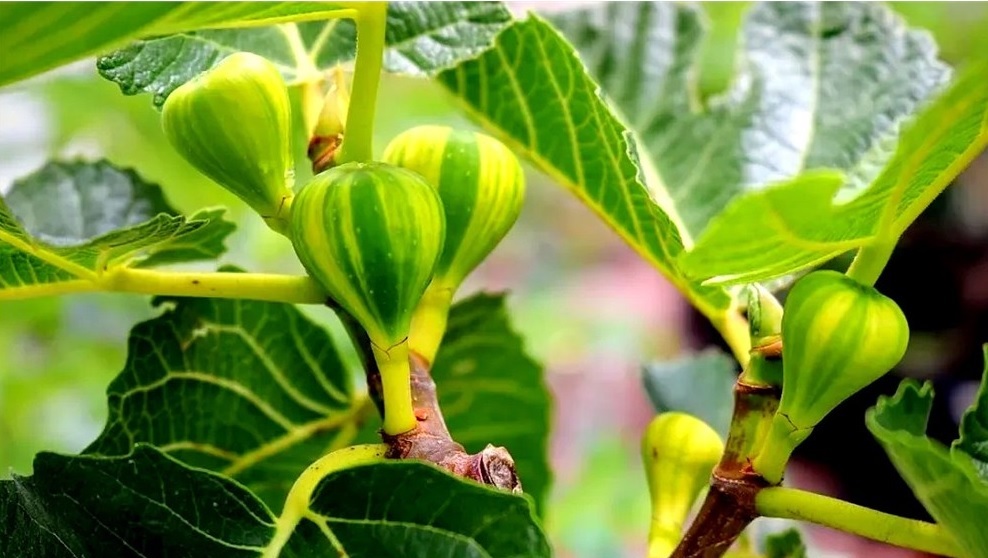
Famous striped rimada fig. Exceptional taste; best for dry climates.
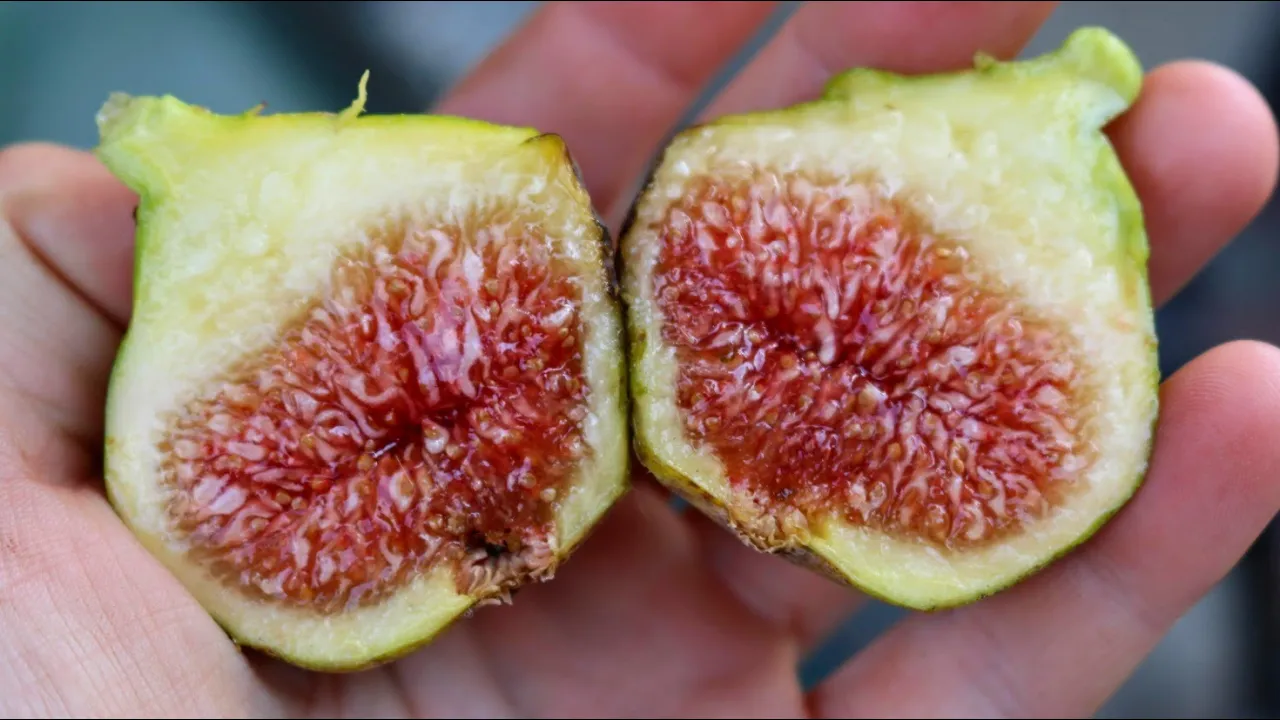
Believed to be the Paradiso depicted in Gallesio's manuscript. Early ripening. Produces breba. Coll de Dama-like texture.
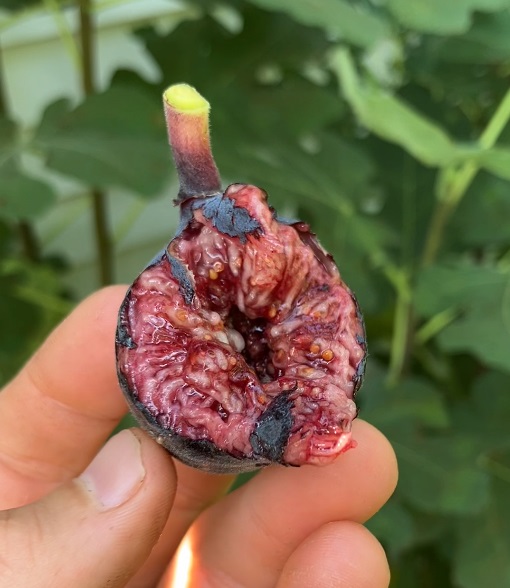
Benchmark for early ripening. Blueberry/blackberry flavored jammy interior. Will drop figs during times of dry soil. Maturity or source is not the issue.

A Spanish variety from Monserrat Pons' collection. Mentioned in his book as ripening quickly on the tree. A trait particularly useful in humid climates. Consistent high quality.

Originally grown and sold by Figaholics in California, this fig variety never picked up traction with buyers, leading to its discontinuation in sales. However, it has an excellent eating experience, it dries well, and has a short hang time.
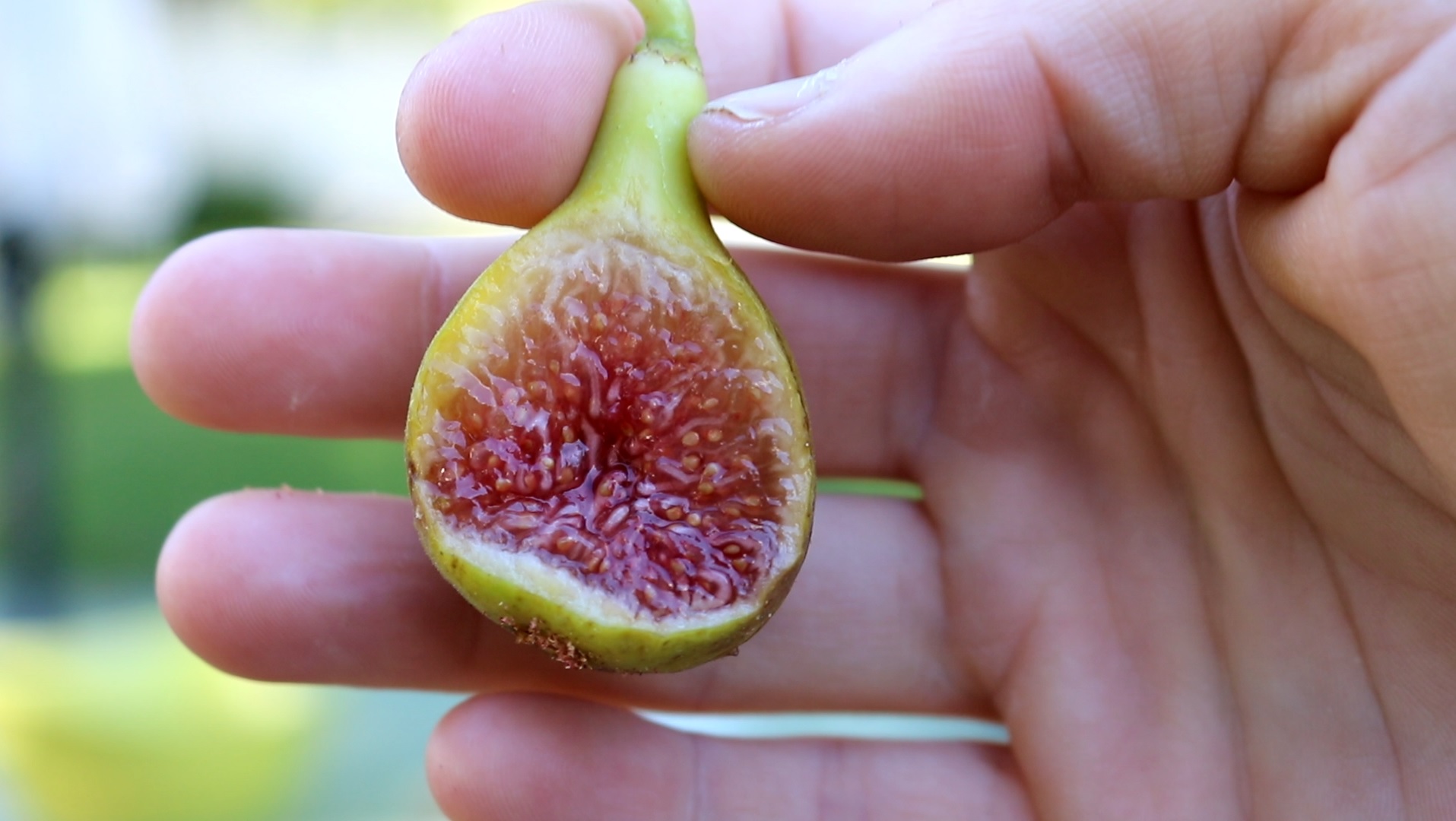
Superior Italian variety with a flavor profile that rivals Smith; superb and complex. High production.

Found on the Swiss/Italian border, clearly adapted to rainy fall weather. Intense dark pulp leading to a blueberry/blackberry flavor.

An Italian variety from the island of Elba that produces striped rimada figs. Great eating experience that could have mutated from Dalmatie. Shows many similarities.
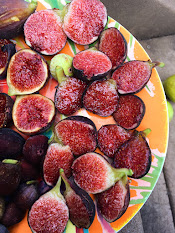
From France, Ronde de Bordeaux is one of the most reliable varieties available for its exceptionally early main crop and willingness to fruit. Great eating experience. Better suited to dry climates.
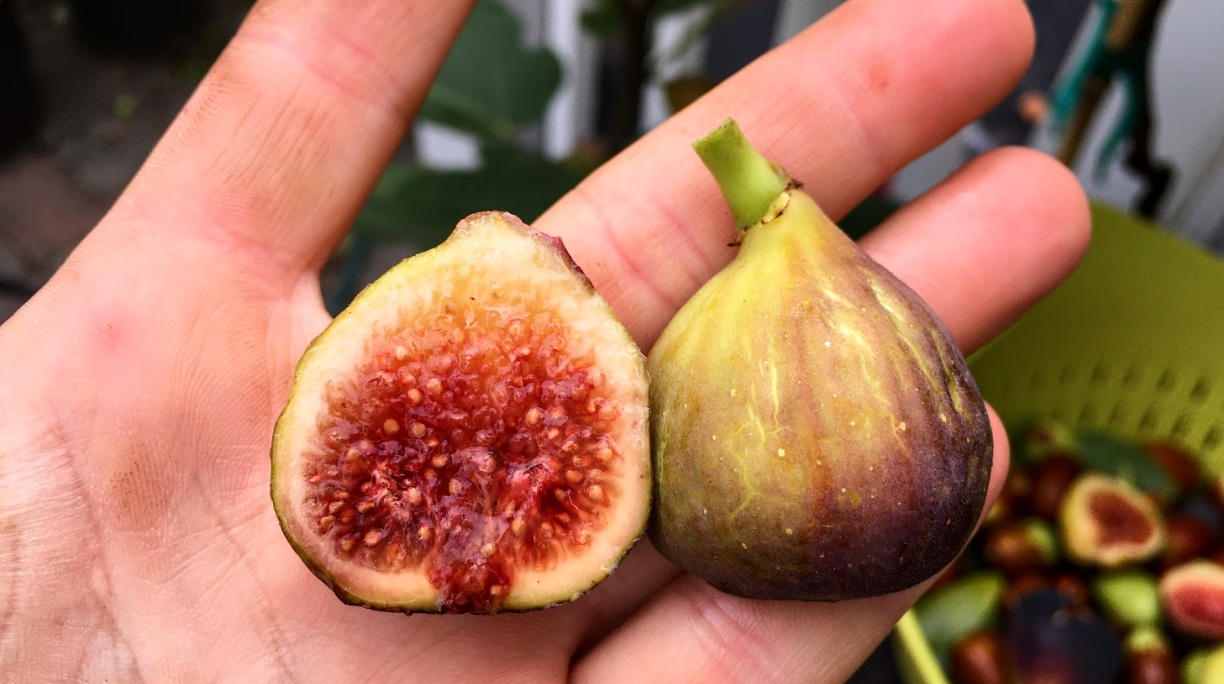
Introduced by the collector Moonlight who found it growing in Rome. Unique variety that has a short hang time, and consistently high fruit quality.
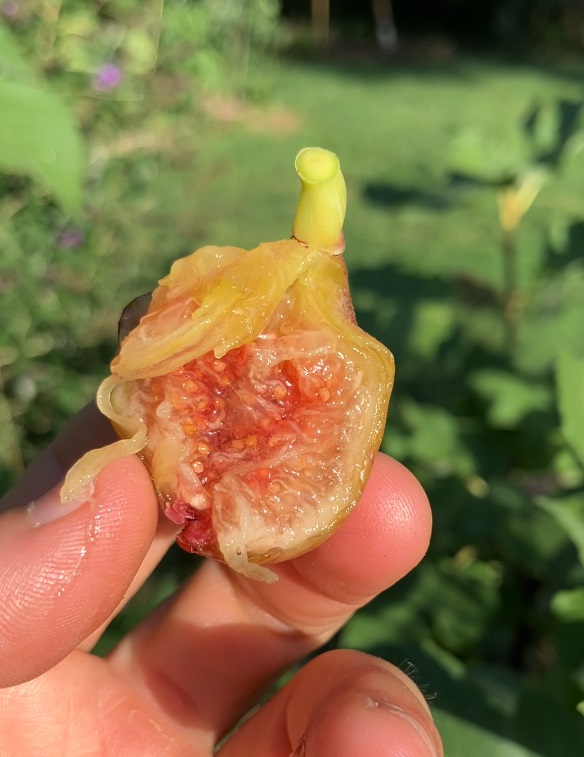
Introduced by Karla Oz. A unique fig from Spain that produces breba and performs well. Good eating experience.

Rossellino is a Tuscan fig prized for its "fruit-forward" berry flavor and exceptional drying quality. When semi-dried, it becomes a sweet "fig candy" that is arguably the region’s best for storage.
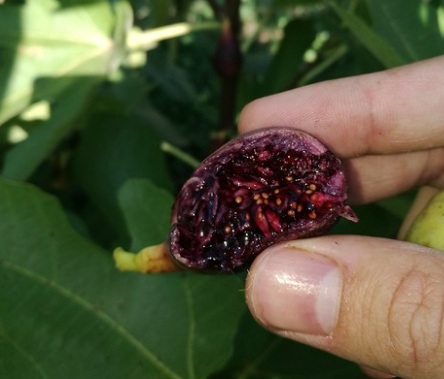
An unknown Italian variety with a unique black/dark purple pulp. Requires pollination. Elongated shape suggests rain resistance.
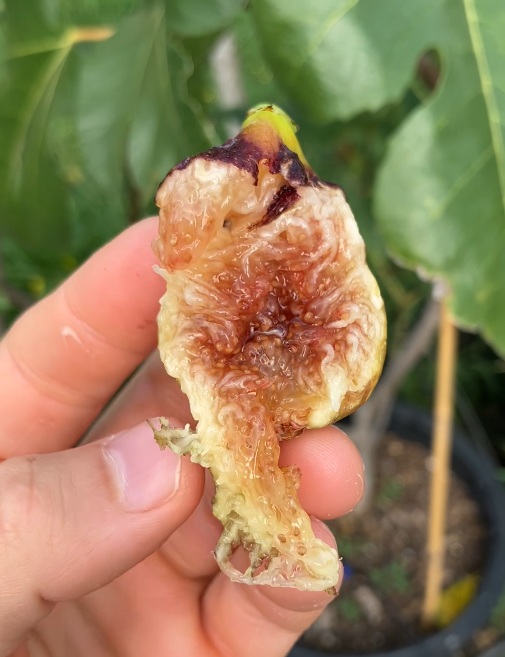
Introduced by Mario in Kentucky. Underrated for its unique-tasting figs that dry on tree easily. Great for humid climates.

From Pomona Gardens in Italy. Cherry flavored and ripens very early. Dwarf-like habit.
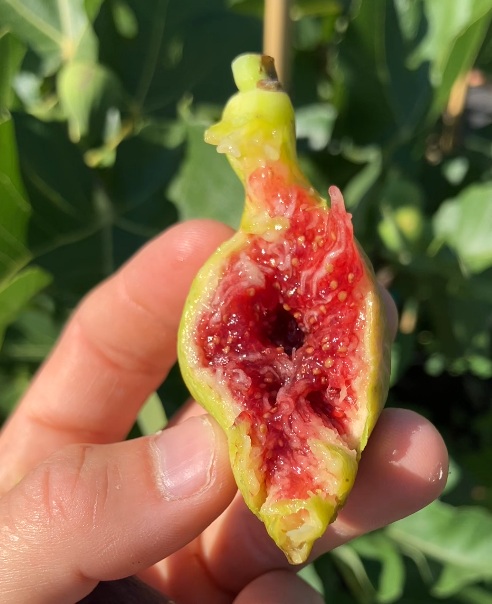
From Monserrat Pons' collection in Spain. Produces both dark and light figs. Could be Coll de Dama Blanca Negra. Intense and acidic flavor.

Introduced by Bass Samaan of Trees of Joy. Exceptionally hardy and a great breba producer.

Also known as Texas BA-1 and Cessac. An heirloom variety from the Becnel family. Smith Originated in Croatia, made it's way to France, and then to Louisiana where it was widely sold and propagated. Widely regarded as one of the best-tasting figs in the world, offering an intense berry flavor and exceptional resistance to rain and humidity.

A productive Italian variety introduced by Aaron of NJ Fig Farm. Produces medium-sized green figs with a sweet, thick, berry-flavored interior similar to Paradiso.
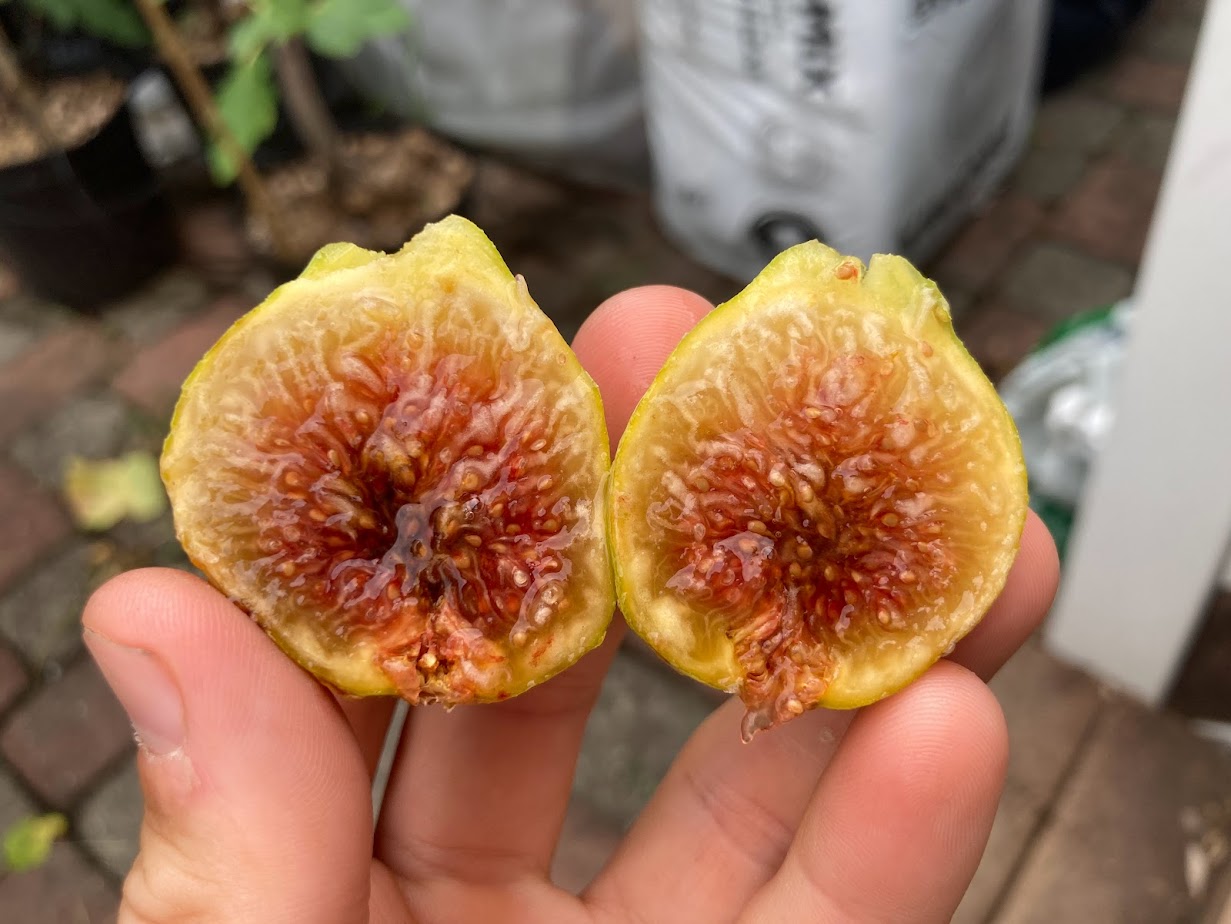
Found in Italy by the late great, Mario DiNatale. Dries well on the tree, midseason, great texture, and high rain resistance.

Reported to have withstood -7F. A unique variety worthy of cultivation otherwise for its eating experience.

From Dr. Rival's collection in France. Sucrette dries easily on the tree leading to higher consistent fruit quality. High sugar content. Very hardy. Thick texture.

Grown in Provence during ancient times. An old French variety made popular by Pierre Baud. Fruity berry flavor, very rain resistant, good breba production.
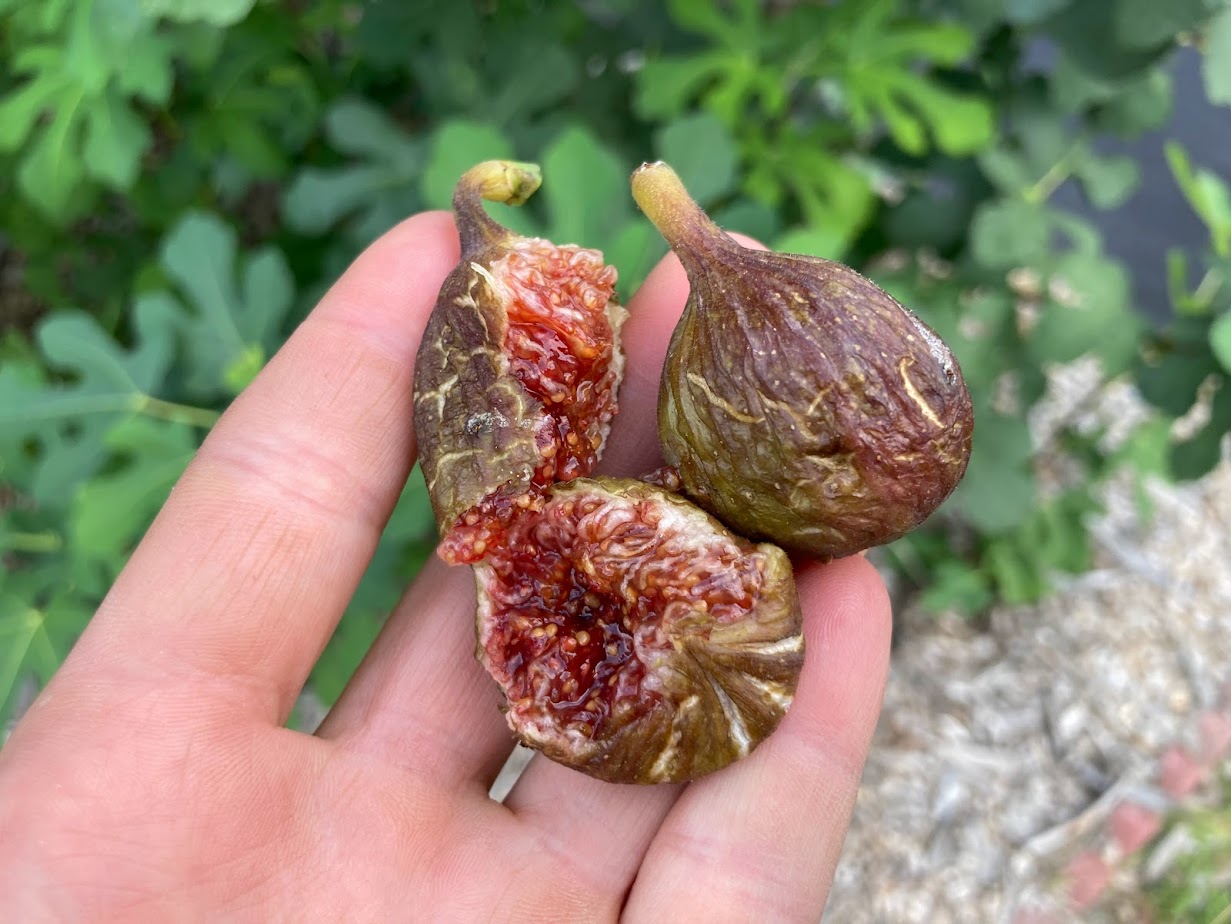
One of the best varieties for humid areas. Found in Maryland and introduced by Off the Beaten Path Nursery. Easily one of my best performers.
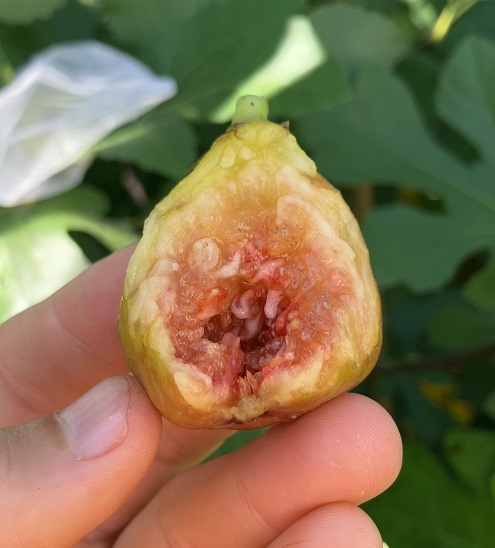
Common fig from Tolosa introduced by Figues du Monde. Recommended to pollinate for full potential.
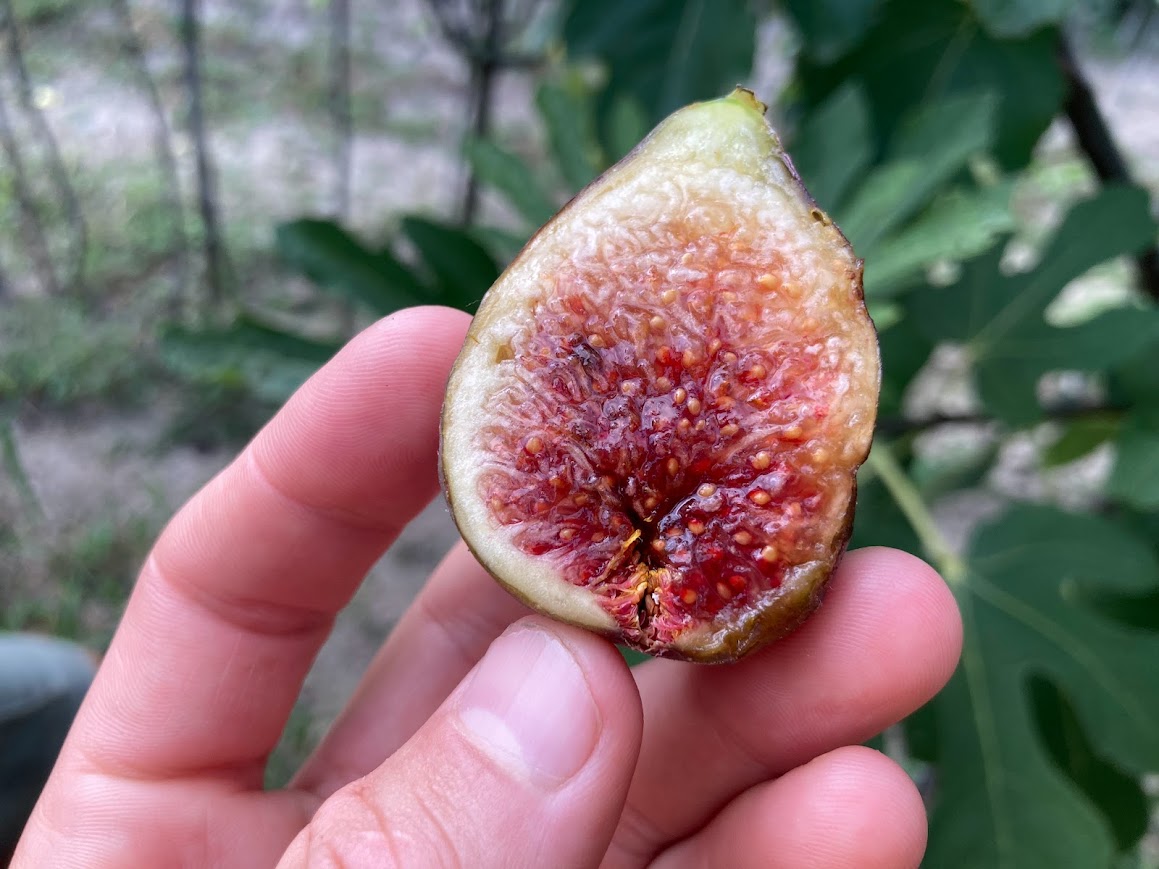
An Italian variety introduced by Omezzolli Nursery. Mattia told me, "take good care of this one, Ross" after it performed beautifully in the aftermath of a rainstorm.
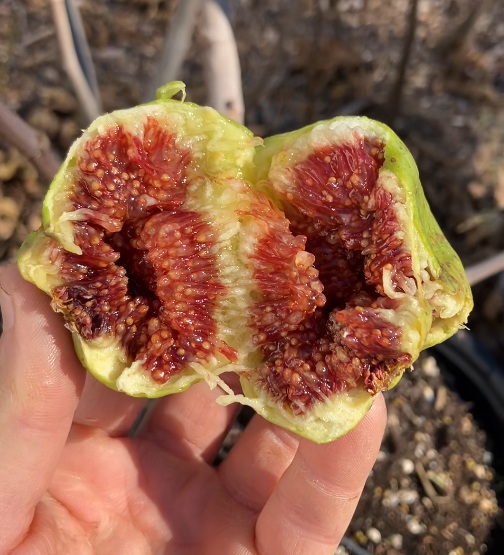
Another Trees of Paradise introduction found at UC Davis Riverside. It's a persistent and edible caprifig. The brebas produce excellent quantities of pollen, while the main crop is edible, late, but of excellent quality.
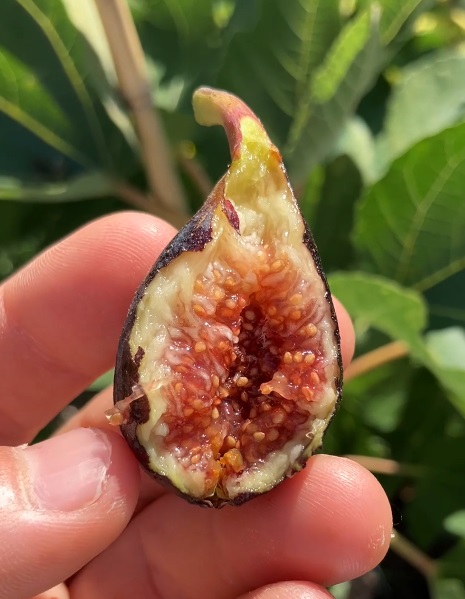
A California seedling introduced by Trees of Paradise, found growing at UC Davis Riverside. Similarities to VdB with less cracking. Dwarf-like habit.

Introduced by Eleazar Farms. It's an improvement to Atreano in terms of consistent fruit quality, flavor, and performance in rainy conditions.
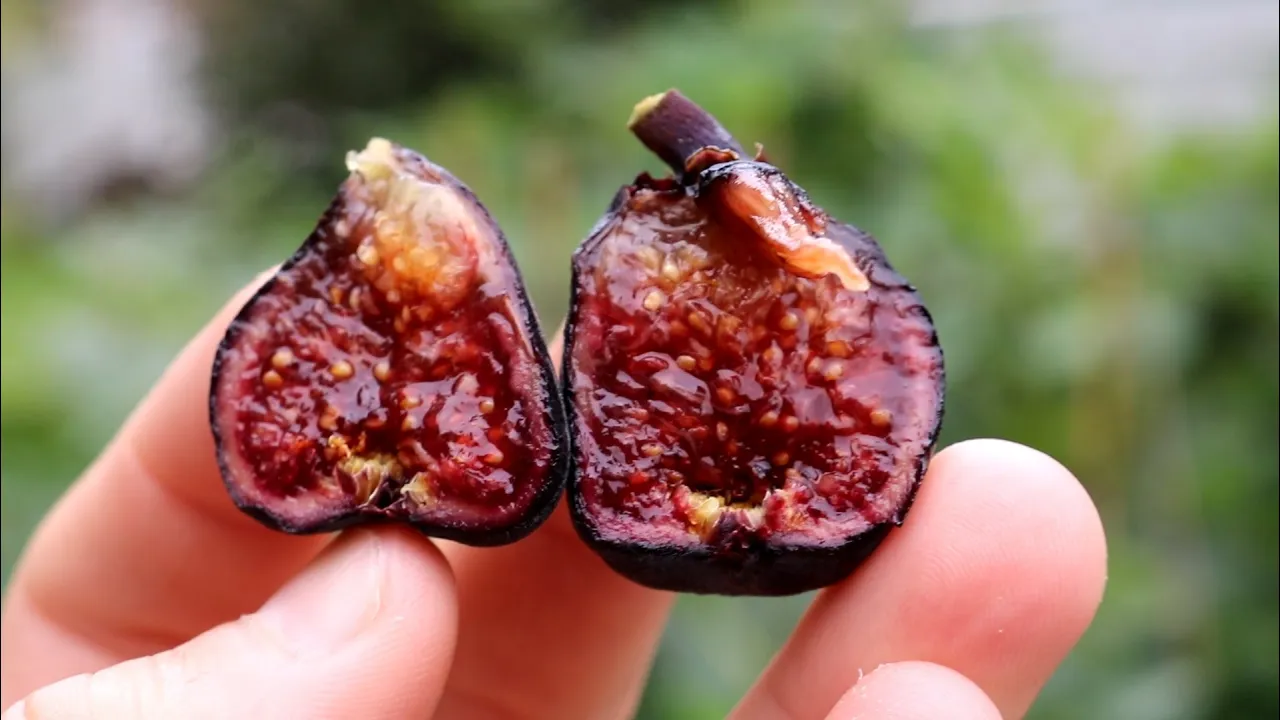
Found by PenandPike in Bulgaria. Another incredible introduction! Blue skin with bloom. Strong grape and raspberry flavor. Incredibly hardy and prolific breba producer.
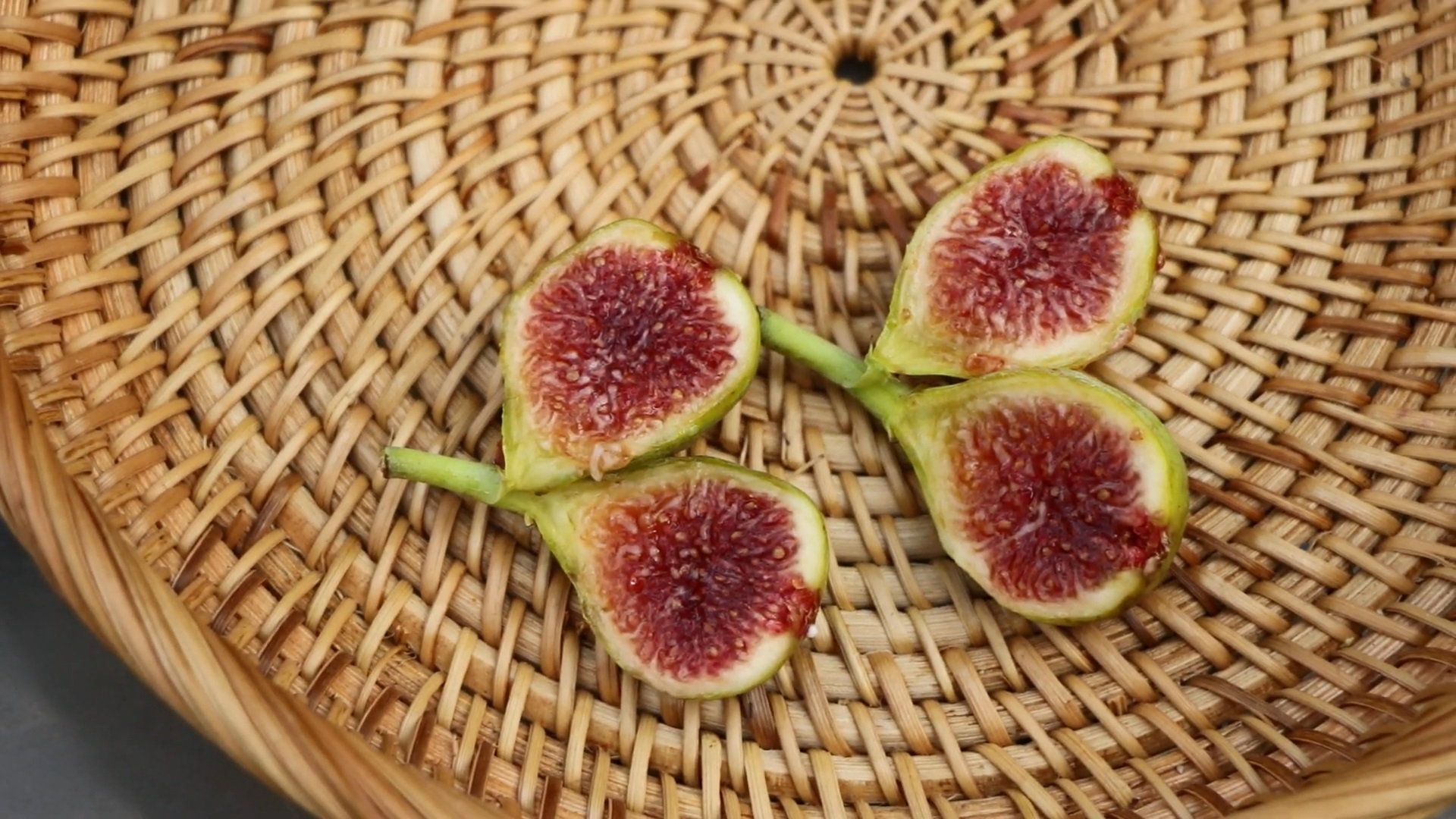
The "Verdino or Adriatic fig of the North." It's a more rain-resistant and similarly flavored variety to the Adriatic fig. Intense berry flavor. Resists rain, fermentation, and dries very well.
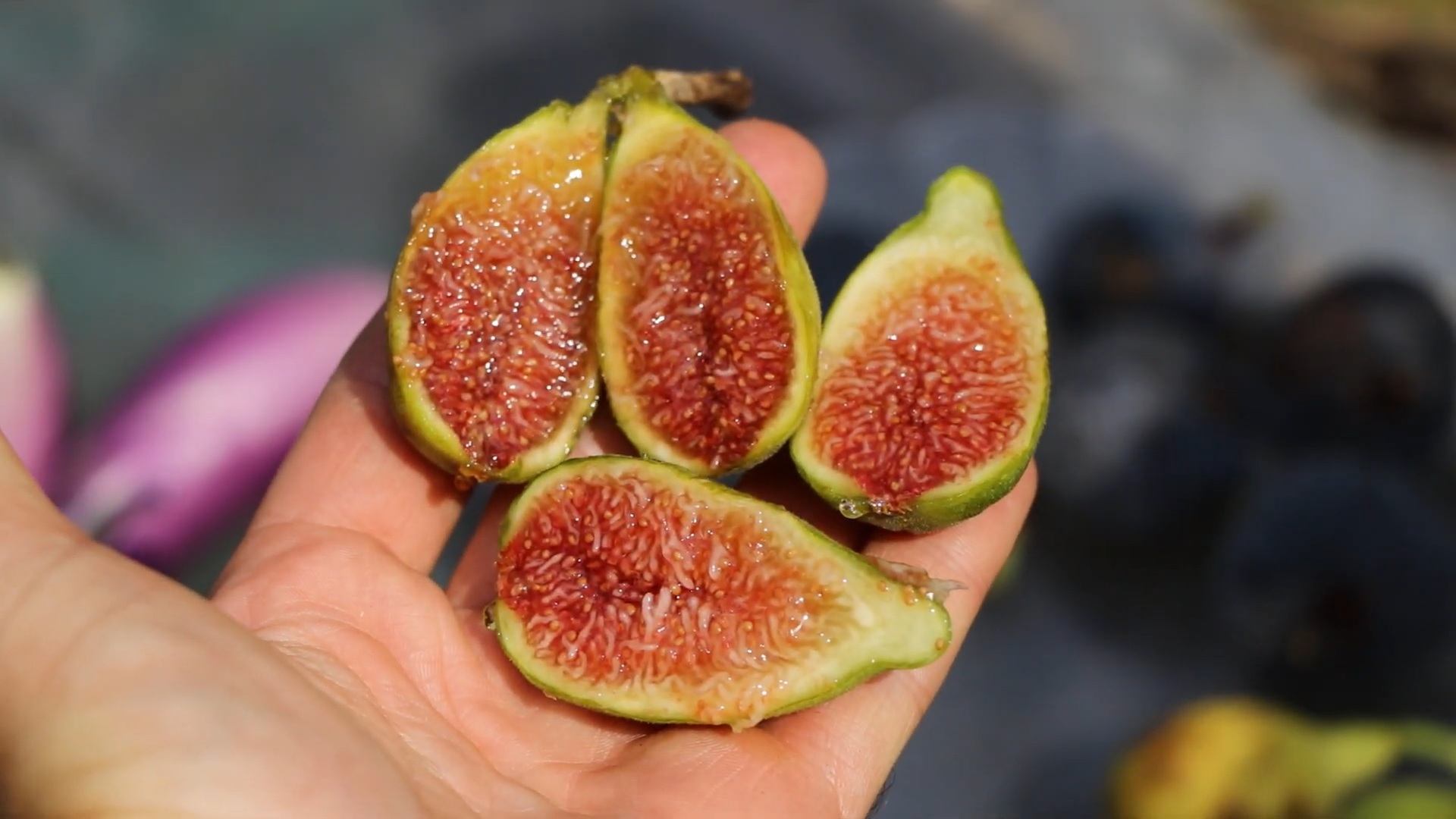
Named by Francesco Omezzolli at Omezzolli Nursery in Italy. A variety local to the Lake Garda area adapted to humid and cold areas. Superior drying, short hang time, great taste.
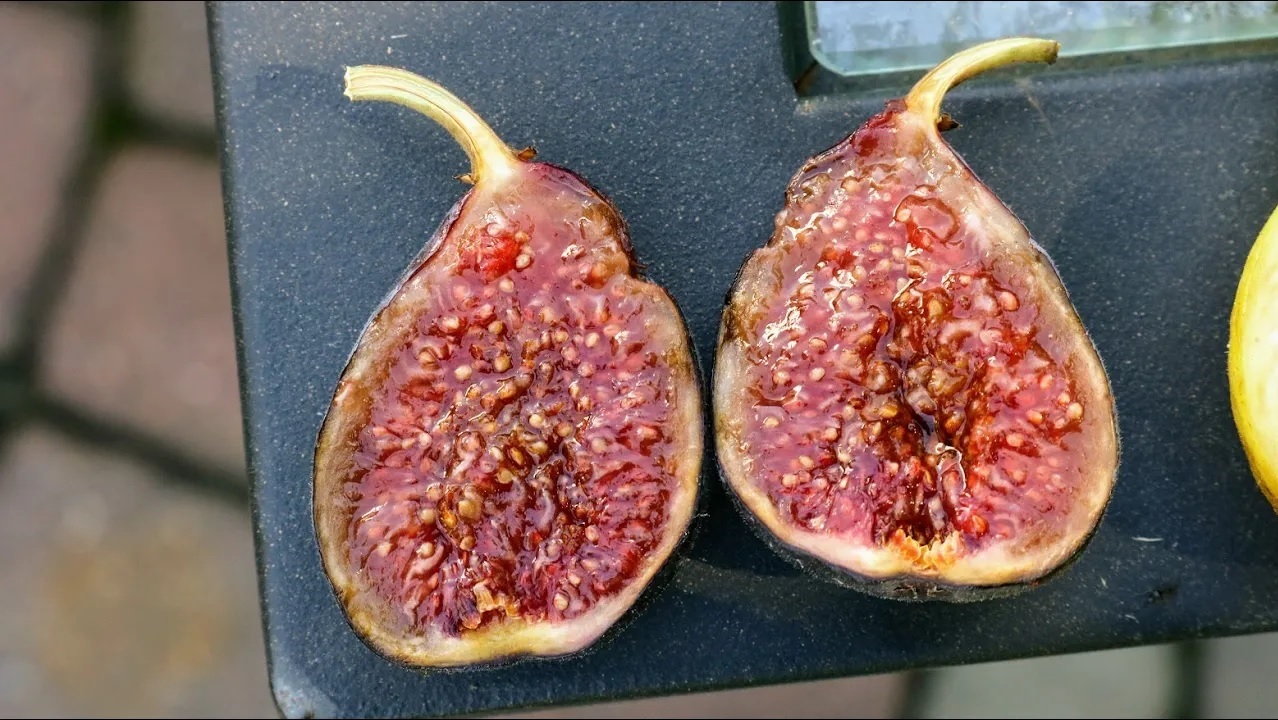
Another Introduction by the Italian fig collector, Nikky. Striking blue skin and strong, sweet, jammy berry flavor.
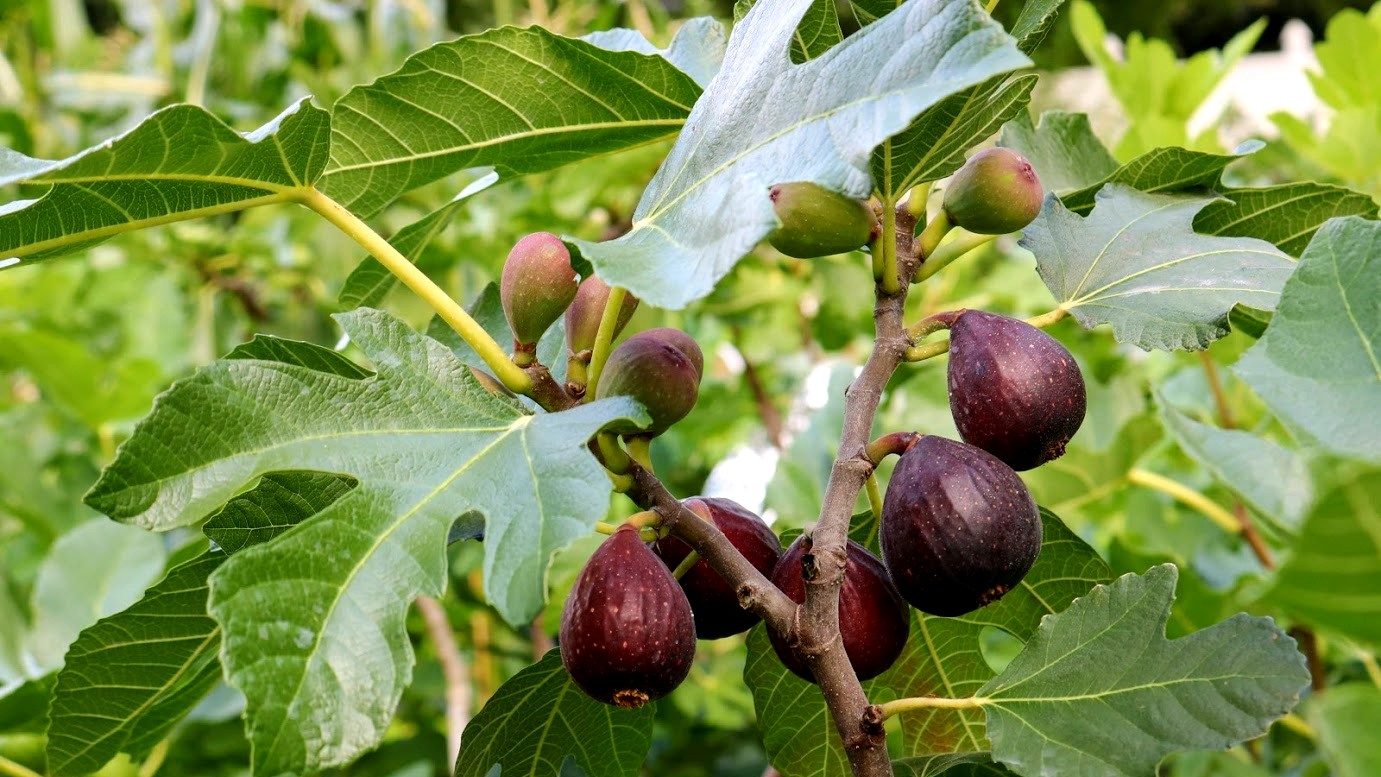
A French variety from the Bordeaux region. It's one of the best varieties that checks all boxes. Well adapted.

A French variety made popular in the US by Thomas Jefferson at Monticello. Honey sweetness with light green skin and amber flesh. Very hardy.
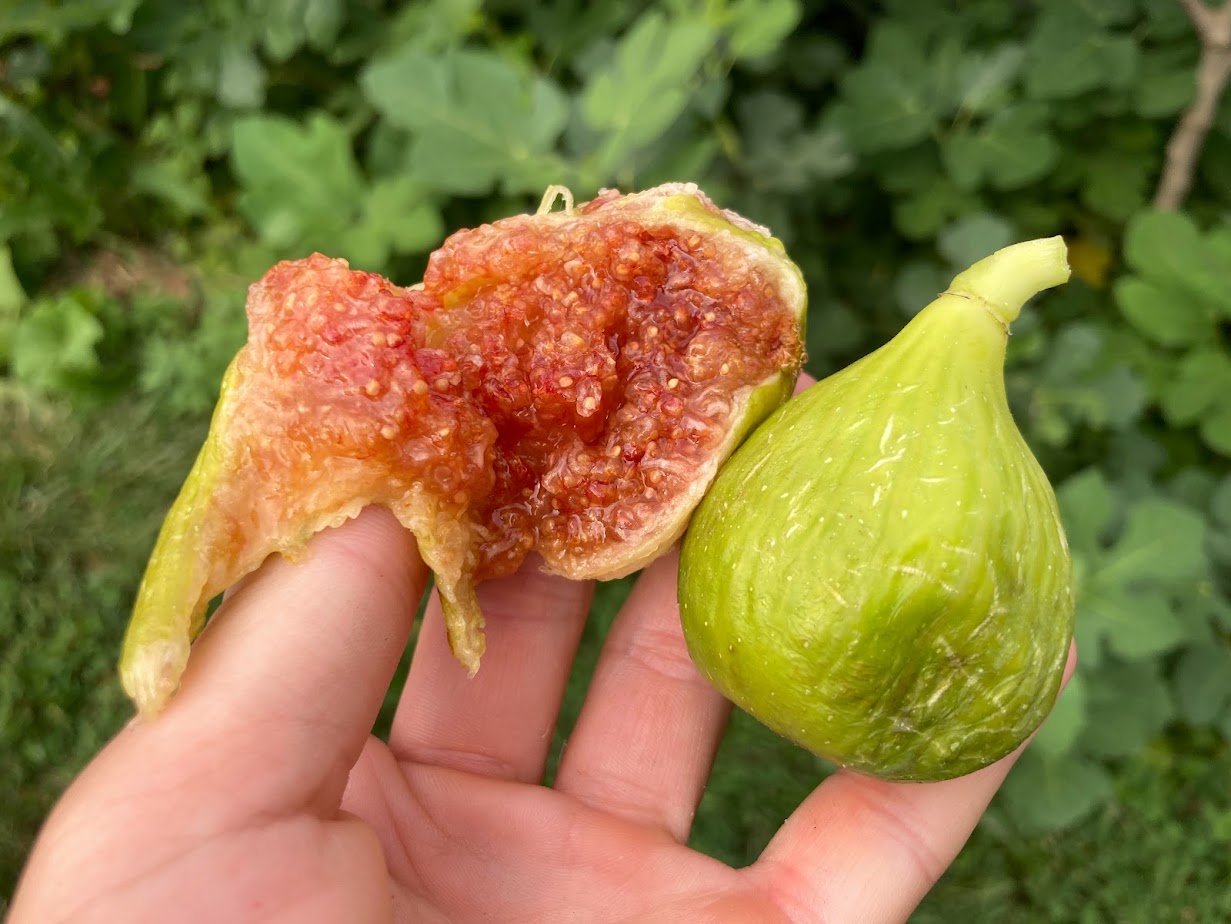
From the late and great Joe Morle. Similar to Atreano, but with more berry flavor. Sweet blackberry/blueberry flavor with gooey texture.